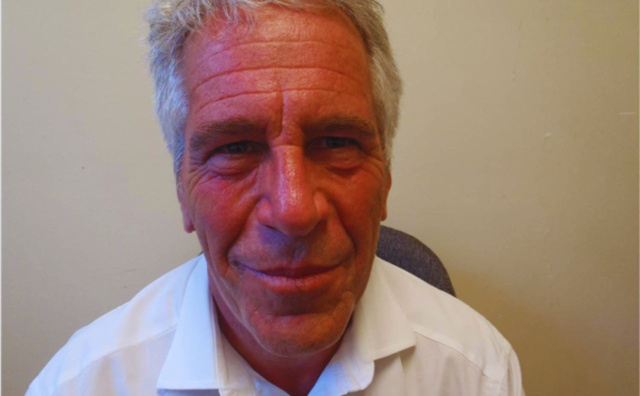
Convicted sex offender Jeffrey Epstein maintained a long-running network of contacts connected to Brussels, according to documents released by the U.S. Department of Justice, writes POLITICO. The files indicate that over roughly a decade, from 2010 to 2019, Epstein exchanged correspondence with individuals linked to the Belgian capital, including figures associated with modeling agencies and people close to European political circles. The records suggest he planned multiple visits to Brussels, though none of these meetings were publicly announced.
The documents describe a pattern of emails referencing women in Europe. In one exchange from 2010, Epstein received details about a woman identified as “Kelly C.” from a Brussels-based modeling agency called Casting Factory. The message included physical measurements and a personal description, noting her temperament. The agency no longer operates, its website is inactive, and the address linked to it near Avenue Louise now appears vacant. The correspondence also involved a representative from MC2 Model Management, an agency co-founded by Jean-Luc Brunel, a long-time Epstein associate. Brunel later died in a Paris prison in 2022 while awaiting trial on charges related to sexual abuse and trafficking of minors.
Other messages from the same period hint at travel and personal contact. In one email, a sender informed Epstein they were preparing for a flight and would send a new phone number from Brussels. Another brief message simply read “miss you))))) bisous from Brussels,” using the French word for kisses. In a separate exchange, an unidentified correspondent told Epstein they had held a video call with a woman described as “pretty nice,” though her face was not clearly visible. The woman was said to be waiting for a visa and to have previously worked as a booker for a modeling agency, possibly with access to other candidates. The sender asked about traveling to Brussels, to which Epstein replied affirmatively.
The correspondence continued into 2011, when Epstein’s assistant informed him that Jean-Luc Brunel had called and was leaving that night for Brussels. Years later, in January 2019, Epstein appeared to plan a brief visit to the city himself. According to a booking note, he intended to travel by train from Paris with unnamed French and Ukrainian companions, arriving at Brussels’ Gare du Midi in the late afternoon and departing a few hours later. The purpose of this short stop was not specified.
Emails also show Epstein receiving recommendations for restaurants in Brussels. One contact praised Belga Queen, a well-known restaurant set in a former bank building in the city center. Another reference emerged in 2019, when Slovakia’s then foreign minister, Miroslav Lajčák, reportedly arranged to meet Epstein at La Brasserie des Étangs Mellaerts, an upscale restaurant in Woluwe-Saint-Pierre. The restaurant did not confirm the booking. Lajčák later resigned from his role as national security adviser after the documents revealed he maintained contact with Epstein following the financier’s 2008 conviction. He has said he committed no wrongdoing but regrets continuing the relationship.
Former British minister and ex-European commissioner Peter Mandelson also appeared in the correspondence. In an exchange about dining options, Mandelson mentioned L’Idiot Du Village, a now-closed bistro in the Marolles district known for its seafood. Mandelson, described in the files as a frequent Epstein contact, has announced plans to retire from public life. Authorities in the U.K. and the European Commission are examining whether he acted improperly by allegedly warning Epstein in advance about a major EU bailout plan during the Greek debt crisis.
Beyond social contacts, the emails show Epstein engaging with European policy discussions. In 2018, he exchanged messages with Steve Bannon, a former adviser to U.S. President Donald Trump, about proposed EU regulations on cryptocurrencies aimed at preventing illicit use. Bannon expressed opposition to the plans, while Epstein commented that regulatory “battle lines” were forming. Another document from 2015 shows a cybersecurity researcher inviting Epstein to review notes for a speech at the European Parliament on regulating surveillance software, as the EU was preparing new data protection rules. The researcher later declined to comment, and the documents note that inclusion does not imply wrongdoing.
The released files also mention Belgium’s Prince Laurent, whose name appeared in Epstein’s address book. The prince confirmed that he met Epstein twice but denied any inappropriate conduct, saying he spoke publicly to dispel speculation. Overall, the documents paint a picture of Epstein’s sustained connections to Brussels through travel plans, social networks, and policy-related correspondence, without establishing that any specific meetings or exchanges involved illegal activity.