Sign up for our newsletter and get our latest content in your inbox.
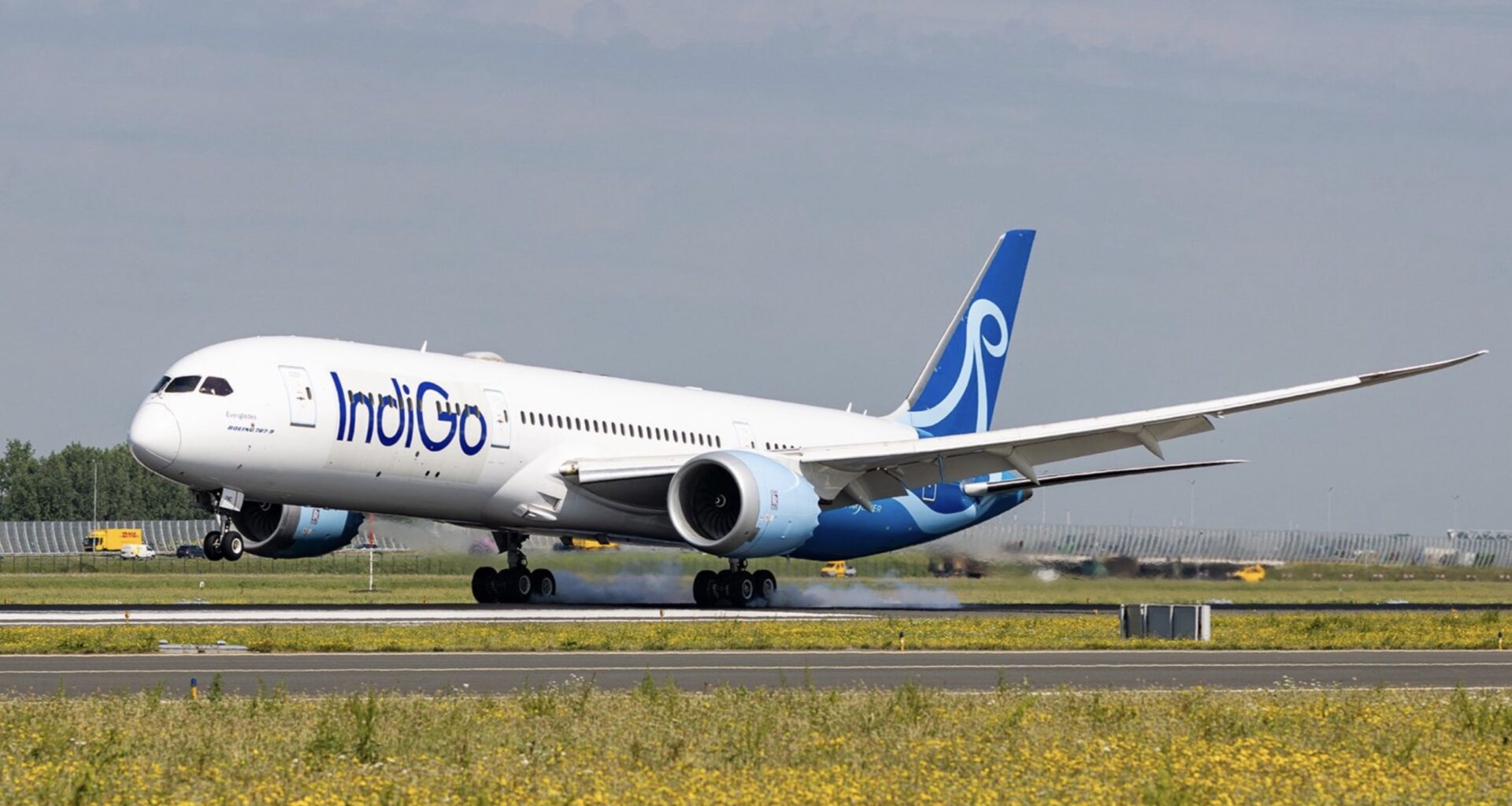
IndiGo has begun a rapid pullback from Europe just months after launching long-haul services to the region, suspending flights to Copenhagen and cutting frequencies to Manchester and London Heathrow as mounting external pressures strain its small widebody fleet.
The airline said the changes are aimed at restoring schedule reliability and preventing cascading delays that have increasingly affected its Boeing 787-9 operations, which are currently limited to six aircraft.
Continuously shifting airspace restrictions linked to geopolitical developments, combined with congestion at major airports in India and overseas, have extended flight times and disrupted aircraft rotations, forcing a reassessment of network priorities, an airline official said.
IndiGo said it had decided to implement “immediate corrective measures” to avoid passenger inconvenience caused by missed connections and knock-on delays across its long-haul network.
IndiGo suspends Copenhagen route amid long-haul network changes
The most significant change is the suspension of all flights to and from Copenhagen from 17 February until further notice.
The route had been launched only a few months earlier, in late 2025, as part of IndiGo’s cautious foray into long-haul operations.
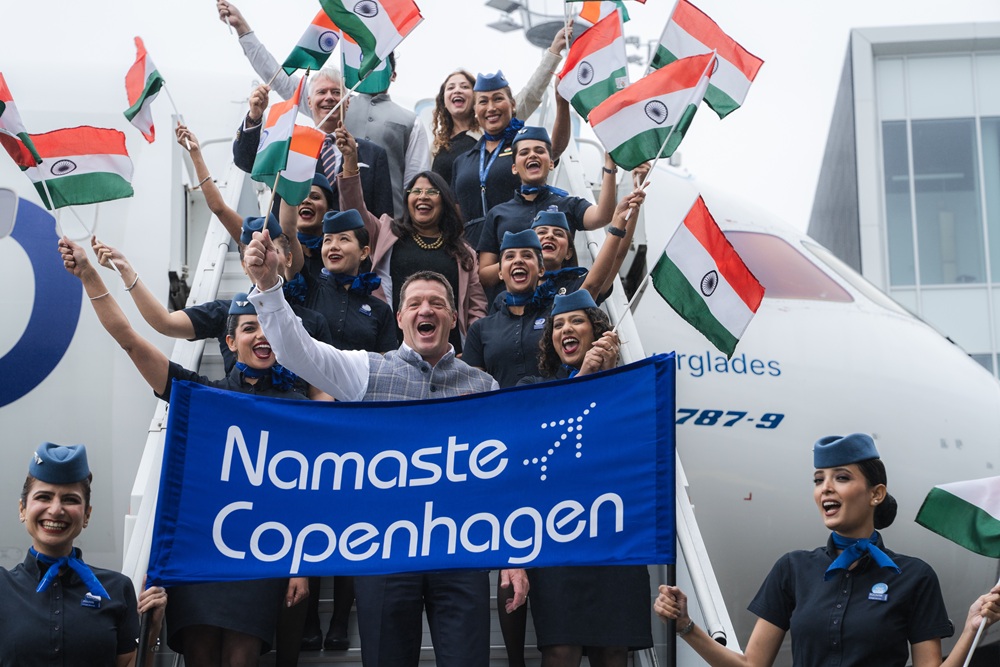 Photo: IndiGo
While the airline did not single out Copenhagen in its statement, the decision reflects the vulnerability of newer routes when operational resilience comes under pressure.
With limited spare capacity in its widebody fleet, IndiGo appears to be prioritising network stability over maintaining breadth in its European footprint.
IndiGo cuts Manchester flights as Boeing 787 fleet pressures mount
IndiGo has also decided to scale back flights on its Delhi-Manchester route, one of its flagship long-haul services. Frequencies will reduce from five flights per week to four starting 7 February, before dropping further to three weekly services from 19 February.
The adjustment will reduce total weekly connectivity on the Manchester route from nine services to seven, once services from both Delhi and Mumbai are taken into account.
 Photo: IndiGo
Notably, the airline said this reduction had originally been planned for the Summer Schedule 2026 but has been brought forward to safeguard the rest of the long-haul network.
The move underscores how quickly external factors have forced IndiGo to rethink timelines for its international expansion.
To improve recovery time within operating patterns, IndiGo has also adjusted the days of operation on the Manchester services, allowing greater flexibility in aircraft utilisation and maintenance planning.
IndiGo reduces London Heathrow long-haul frequencies
Services on the Delhi-London Heathrow route will be reduced from five flights per week to four for the remainder of the current winter schedule, effective 9 February.
London Heathrow remains one of IndiGo’s most strategically important long-haul destinations, both for point-to-point demand and onward connections.
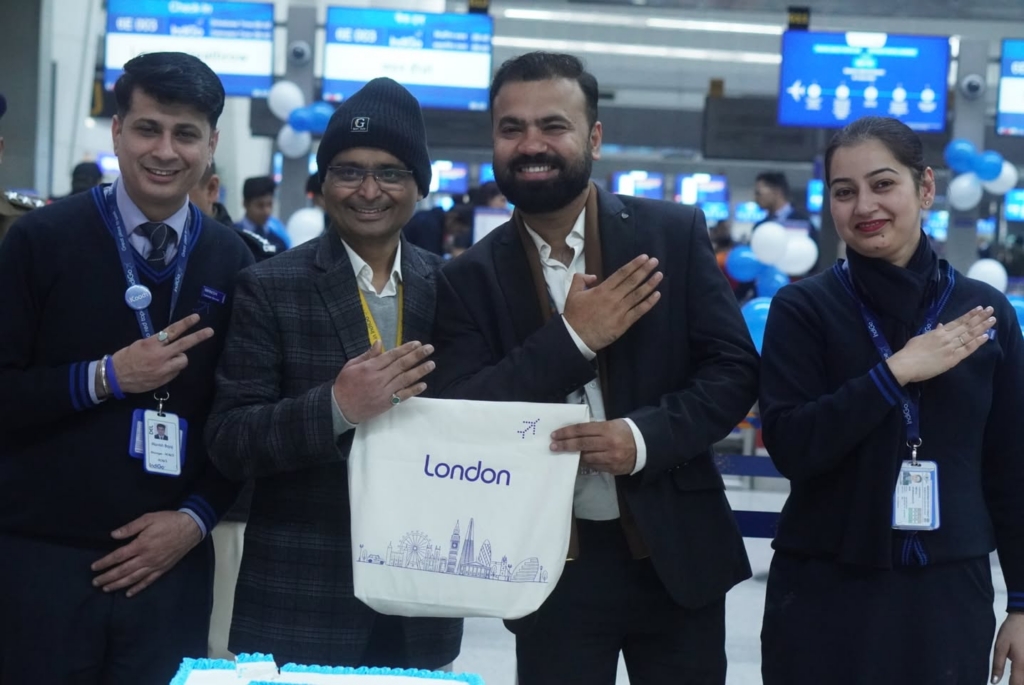 Photo: IndiGo
The decision to trim capacity there highlights the extent of the operational strain on the airline’s 787-9 fleet, even on core routes.
IndiGo official said the frequency reductions are intended to improve on-time performance and reduce disruption to passenger itineraries, particularly where long-haul delays can cascade into multiple subsequent flights.
Airspace restrictions and airport congestion disrupt IndiGo’s long-haul operations
At the heart of IndiGo’s decision lies a combination of geopolitical and infrastructural challenges.
The airline cited evolving airspace constraints, particularly those linked to tensions in and around the Middle East, which have forced aircraft to avoid Iranian airspace and take longer, more circuitous routes.
These diversions significantly increase flight and block times, placing pressure on tightly scheduled aircraft rotations. With only six widebody aircraft in service, even minor delays can quickly ripple through the network.
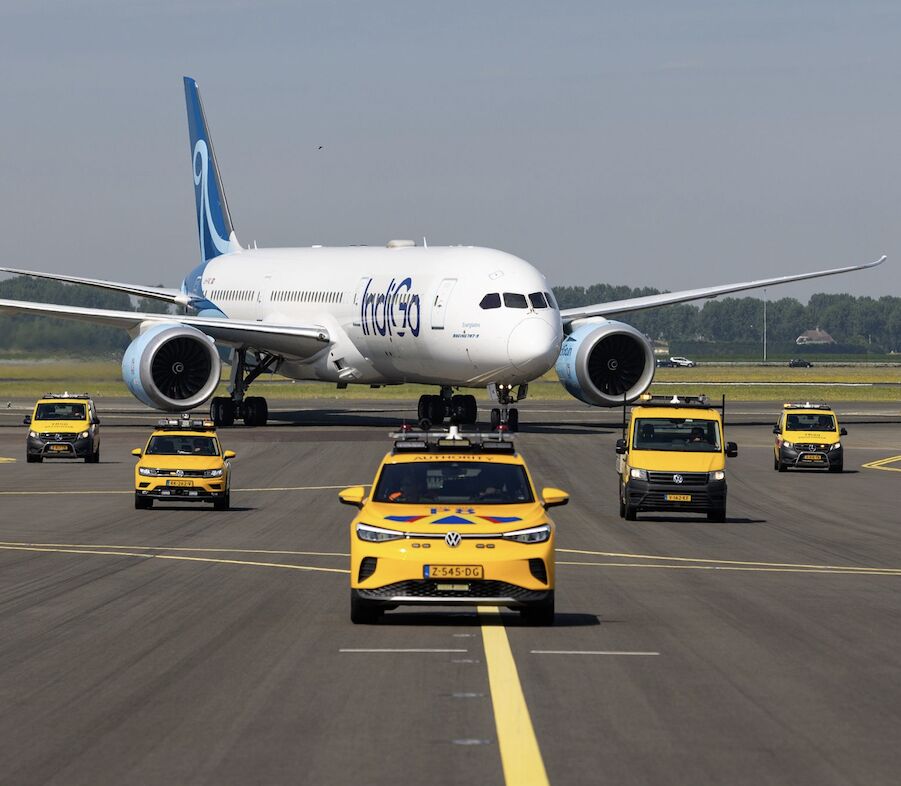 Photo: IndiGo
Congestion at major Indian hubs and international gateways has compounded the problem. Late arrivals, IndiGo said, have led to cascading delays that are difficult to absorb without spare aircraft or crew.
The airline had already flagged these issues in late January, when it announced proactive cancellations and adjustments to international services in response to heightened tensions involving Iran and the United States.
IndiGo suspends Central Asia routes amid regional security concerns
Beyond Europe, IndiGo has also suspended international services to Tbilisi, Almaty, Baku and Tashkent until 28 February, citing safety considerations linked to the evolving geopolitical situation.
In a travel advisory issued on social media, the airline said the move was aimed at prioritising the safety of passengers and crew as conditions in the region continue to evolve.
 Photo: IndiGo
The suspensions come amid wider industry concerns over operating through or near Iranian airspace following the deployment of additional US military assets in the region. Airlines globally have been reassessing routings and schedules as a result.
IndiGo offers rebooking and refunds for affected international passengers
IndiGo said it is proactively reaching out to affected customers to offer alternative travel options, subject to availability, or to provide full refunds for cancelled flights.
The airline emphasised that these measures are designed to minimise disruption and maintain customer confidence at a time when long-haul operations are facing unprecedented uncertainty.
Passengers have been advised to monitor flight status updates closely through IndiGo’s official communication channels.
IndiGo’s Boeing 787 widebody strategy tested by operational disruptions
The current adjustments highlight the fragility of IndiGo’s interim widebody strategy. The airline launched its long-haul project in March 2025 through a damp lease arrangement with Norse Atlantic Airways, bringing in six Boeing 787-9 aircraft as a bridge to its own widebody operations.
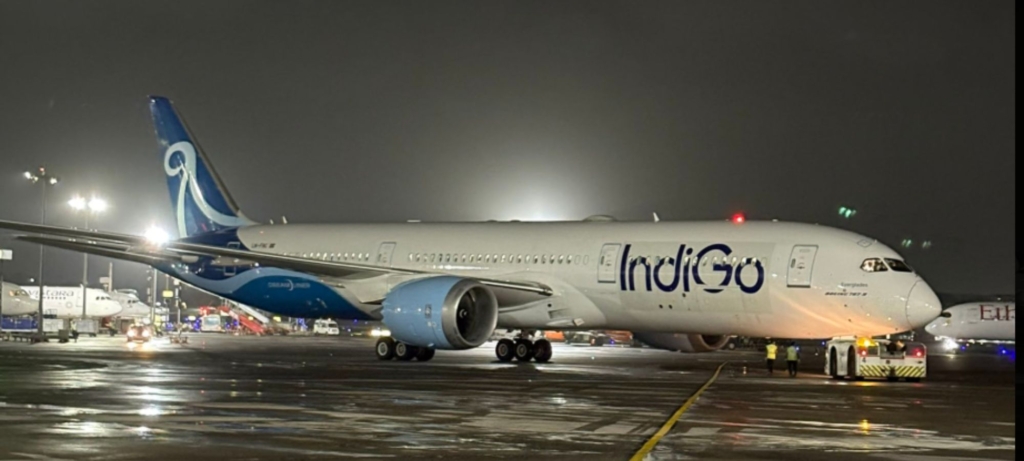 Photo: IndiGo
This arrangement was always intended as an intermediate step ahead of the induction of IndiGo’s own Airbus A350-900 aircraft, scheduled to begin in early 2028. The goal was to gradually build internal capability for long-haul operations without overextending resources.
However, the limited scale of the 787-9 fleet has left the airline exposed to external shocks, particularly when airspace closures and congestion erode schedule buffers.
IndiGo recalibrates long-haul expansion as external pressures intensify
IndiGo’s decision to pare back its long-haul network reflects a pragmatic recalibration rather than a retreat from international ambitions.
By cutting frequencies and suspending select routes, the airline is seeking to protect the integrity of its remaining services and avoid the reputational damage that comes with persistent delays and cancellations.
In its statement, IndiGo said it will continue to monitor external developments and flexibly scale its network up or down in line with evolving conditions.
For an airline that has built its brand on punctuality and operational discipline, the current episode underscores how geopolitical uncertainty and infrastructure constraints can challenge even the most tightly run operations.
As global airlines continue to navigate an increasingly volatile operating environment, IndiGo’s experience offers a reminder that long-haul expansion, particularly with small fleets, leaves little margin for error.
Featured image: IndiGo
Sign up for our newsletter and get our latest content in your
inbox.