
Apparently, the European Union, which has recently been facing a serious crisis caused by rising energy prices, is no longer willing to throw money around and intends to adopt a more pragmatic approach toward member states in financial matters.
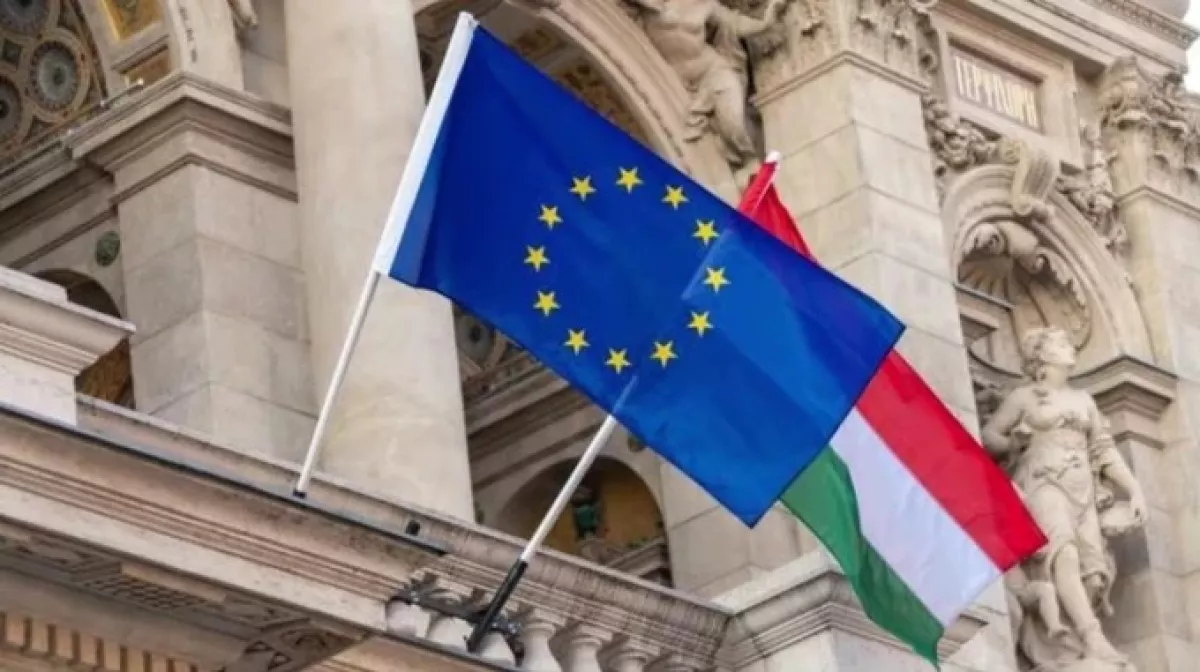
At the very least, this is suggested by Brussels’ recent decision regarding the unfreezing of Hungary’s assets. According to Politico, citing diplomatic sources, the European Commission is not prepared to release the full €10.4 billion in EU Recovery Fund resources earmarked for Budapest. The Commission has expressed readiness to discuss only the grant component amounting to €6.5 billion, while opposing the release of €3.9 billion in loans.
It must be assumed that this unexpected move by the European Commission came as a highly unpleasant surprise for the new government of Péter Magyar, which had previously promised Hungarians the full unfreezing of assets blocked during the era of Viktor Orbán. As the publication notes, on April 29 the new prime minister stated that Hungary and the European Commission planned to conclude an agreement after May 25 that would allow Budapest to access the frozen funds from the EU budget and special European funds.
Now that the likelihood of such a scenario has virtually disappeared, it is hardly surprising that he is trying to persuade the European Commission to reconsider this crucial financial issue, which could deal a devastating blow to his domestic approval ratings. In this regard, Politico notes that Magyar’s team is stressing that a partial agreement could be viewed in Hungary as an insufficient outcome of the “reset” in relations with the EU, especially given that the current Hungarian leadership intends to improve ties with Brussels as much as possible — something the prime minister himself spoke about back in April of this year.
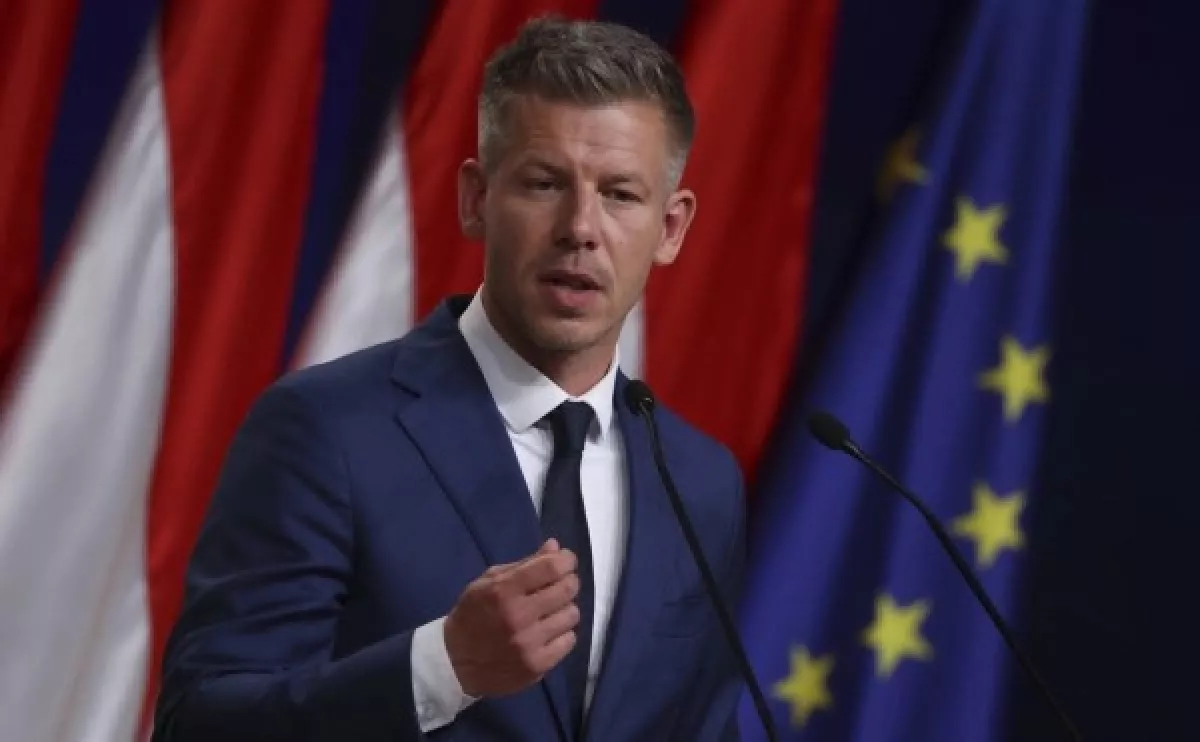
At the rally in Budapest at the time, he pledged to take steps to strengthen democracy in Hungary, which he believes was undermined under Viktor Orbán’s government, and to restore his country’s full-fledged participation in the European Union and NATO. It should be noted that, in promoting this initiative, the prime minister effectively “went on the offensive”: he reached out to European Commission President Ursula von der Leyen and, following intensive contacts with her, stated that the talks had been highly constructive and productive. The sides discussed upcoming reforms in the legal sphere and anti-corruption efforts, as well as Hungary’s compliance with European standards.
However, given that Hungary is unlikely to receive the funds in full anytime soon, Magyar faces a far from easy task: proving to Brussels that his words are matched by actions. Yet, in light of the deep mistrust EU institutions developed toward Budapest’s policies under Orbán — due to disagreements over Hungary’s foreign policy course, which often ran counter to the broader European strategy — it will be extremely difficult for him to convince the EU that Hungary is no longer a problematic player.
To earn the European Union’s trust, the new prime minister will most likely have to dismantle the country’s previous system of values and align it with Brussels’ strict standards — in other words, adopt an entire package of legislative reforms. At the same time, it would be premature at this stage to claim that Magyar will be able to fully comply with all EU directives, even though he is viewed favourably in Brussels, primarily because of his pro-European orientation. After all, for the European Union it is extremely important to preserve unity within the bloc and prevent the growing influence of outside centres of power.

Yet even despite this, the EU is unlikely to provide Budapest with the €10.4 billion financial cushion before Hungary fulfils all of Brussels’ requirements, mainly because EU officials fear that such a move could set a precedent for other member states as well. That is the first point.
Secondly, in the context of Ukraine’s accession to the EU, Magyar insists on expanding the rights of the Hungarian minority in the country in exchange for supporting the process — a stance that earns him additional political points domestically. However, such a position is unlikely to satisfy Brussels, since, given Budapest’s previous political track record, any step perceived as being driven solely by national interests is bound to provoke barely concealed irritation within the EU.
Thus, Hungary’s new leadership will have to do more than simply follow the European Union’s demands with precision; in advancing its own interests, it will also have to prioritise Brussels’ position above all else. Whether Magyar’s government has the political will to withstand such pressure from the EU remains a rhetorical question, especially considering the ambitions of Hungary’s new prime minister.