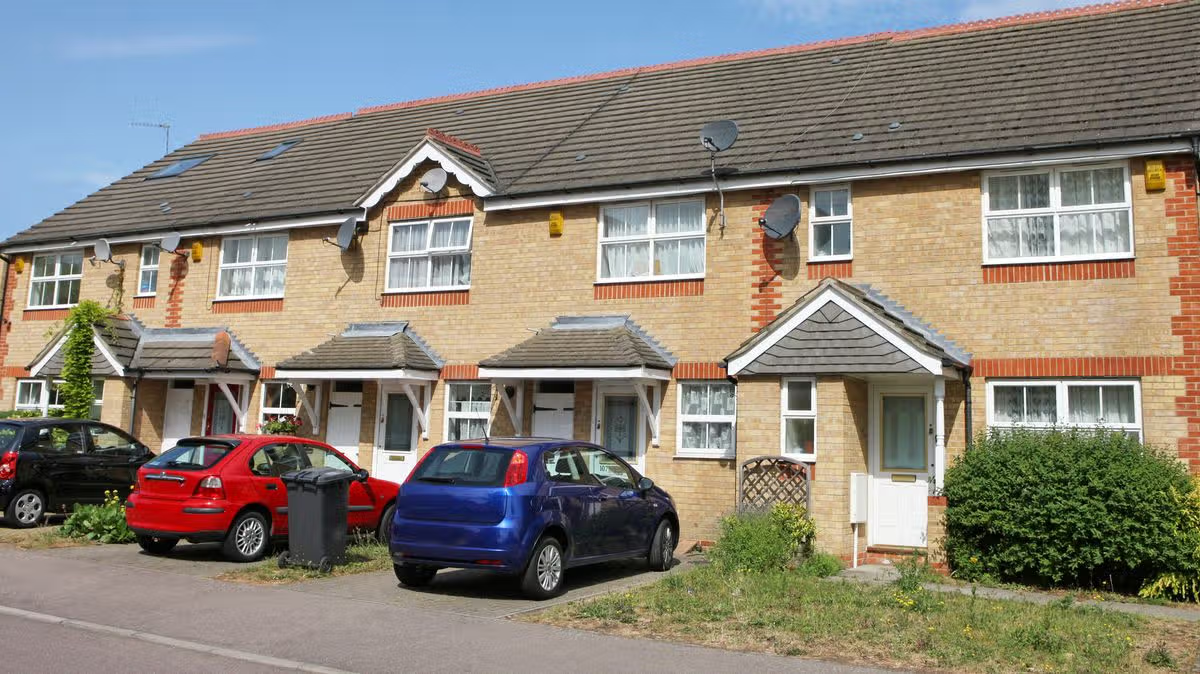
The Highway Code has specific guidance for people who have off-road parking
Lots of drivers might be breaking the ‘rule’ without realising (stock)(Image: Richard Newstead via Getty)
Many people park in their driveway after a long day and don’t think twice about it. But road safety guidance says there is an everyday ‘rule’ motorists should keep in mind so they remember to park in the ‘right way’ for safety.
Part of the Highway Code contains advice on using driveways. Rule 201 says motorists in all vehicles should always try to reverse into a driveway so they can drive out facing forward, which is important for general safety.
It’s not a legal demand, but it is a recommendation that can matter because reversing into the road is where visibility drops and risk shoots up. The important things to take note of are the wording of the ‘rule’.
It clearly states: “When using a driveway, reverse in and drive out if you can.” The key point being that the rule accepts it is not always possible.

All vehicle users should “reverse in and drive out” when using driveways
What can land you in trouble isn’t simply reversing out, but what happens during that manoeuvre. If you back out and clip a car, cyclist or pedestrian, you could be accused of driving without due care and attention, which can bring big fines, penalty points and, in extreme cases, a ban.
If reversing out is your only option, the Code sets out common-sense steps to cut the danger. Drivers are urged to properly check mirrors and blind spots, look out for children and cyclists, drive slowly while checking the rear window, remember that the front end can swing out, and get a helper if the view is blocked.
Major offenders in blocking views include tall hedges, parked vans, wheelie bins, and even pillars at the edges of modern driveways. They create a ‘blind spot’ where pedestrians and bikes appear late.

Reversing cars have reduced visibility, which could lead to hitting a pedestrian, cyclist, or another vehicle (stock)(Image: Getty)
The final section of the Code that talks about reversing (Rule 203) states that vehicles “must not reverse your vehicle further than necessary”. This is backed up legally by the Road Vehicles (Construction and Use) Regulation which adds: “No person shall drive, or cause or permit to be driven, a motor vehicle backwards on a road further than may be requisite for the safety or reasonable convenience of the occupants of the vehicle or other traffic, unless it is a road roller or is engaged in the construction, maintenance or repair of the road.”
Safety groups also push the same idea beyond driveways, especially in car parks. The argument is quite similar in that driving out forwards gives you a clearer view, while reversing out between two big vehicles can leave you inching into oncoming traffic or people before you can even see what’s coming.
Car parks can be chaotic at the best of times, with pedestrians wandering, trolleys rolling, and cars moving from every angle. Taking a few extra seconds to park so you can leave cleanly can save a nasty scare later – particularly on busy roads outside the house.