Raisins must be cut in half and no white bread is allowed
12:46, 14 Oct 2026Updated 12:54, 14 Oct 2026

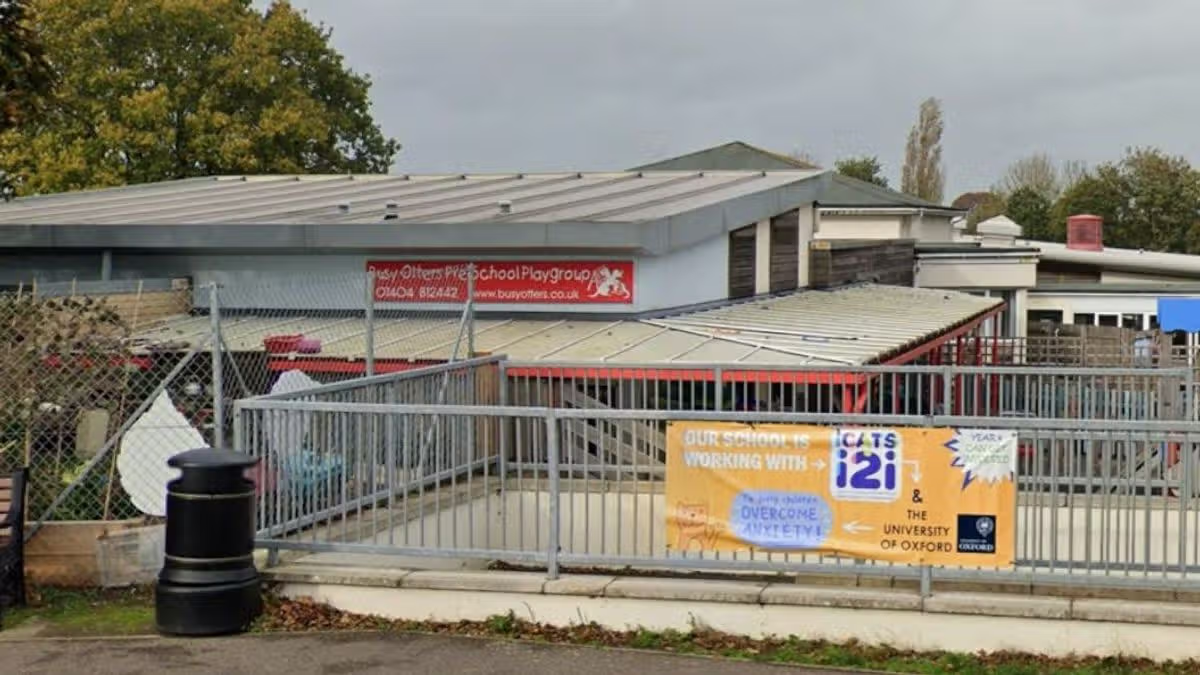
Busy Otters Preschool in Ottery Saint Mary(Image: Google Maps)
A Devon pre-school is facing backlash after banning certain foods in a bid to ensure children bring “safe, healthy packed lunches to school.”
Busy Otters Pre-school in Ottery St Mary has issued a notice to parents and carers, warning them that slips will be coming home in their children’s lunchboxes to explain what children can and cannot have for lunch.
They have introduced a ‘Safer Eating Policy’ that supports the government’s healthy eating guidance and said the new rules will align with the Early Years Foundation Stage (EYFS) requirements, and the standards Ofsted considers when inspecting early years settings.
The school states that these foods are not permitted in lunch boxes: crisps, chocolate, chocolate brioche, biscuits, cake bars, sausages, cheese strings, highly processed food or raisins (unless they are cut in half).
Parents seem confused and annoyed by the guidance after learning that children cannot bring small fruits, unless they are cut in half.
The school outlined ‘safe food preparation’ with guidance that says: “It is equally important that food is prepared appropriately before being placed in your child’s lunch box, helping to reduce the risk of choking.
“Please remember larger and harder fruits: Apples, pears and melons should be cut into thin slices.
“Small fruits: Grapes, cherries, berries, strawberries and cherry tomatoes should be cut lengthways into quarters.
“Oranges: Must be peeled, segmented and checked for pips.
“Vegetables: Carrots, cucumber, peppers and celery should be cut into narrow batons or sticks.
“Cheese: Should be cut into thin strips or grated. Please avoid cheese strings.
“Bread: White bread should not be included in lunch boxes, as it can form a dough-like ball in the throat and pose a choking risk if not chewed properly. Brown bread or toasted white bread are alternatives. Bread, chapatis, naan and other breads should be cut into narrow strips.”
One person said: “Unless a place is providing food for your child, this includes schools. I don’t feel they have a right to tell you what your child is allowed to eat. I’m paying for the stuff in my kids’ lunch so I’ll send what they are going to eat, not what is being dictated.”
Another said: “A raisin cut in half?” “Is this not the most ridiculous thing ever?” another commented.
A third added: “This looks like a very extreme reaction to an Ofsted report that highlighted some practices to ensure safer eating.
“How about teaching children to eat safely and to chew food properly? Teach them about a balanced meal and everything in moderation- don’t set them up for a lifetime of eating/food issues.”
“So no cheesestrings but can have cheese cut into strings,” said a fourth, while another simply said: “Unbelievable.”
Busy Otters Pre-school said: “We understand that these reminders may require a little extra preparation, and we genuinely appreciate your understanding and cooperation.
“The slips are not intended to cause concern or embarrassment. They are simply a way of communicating with families and ensuring we work together to follow our policy and keep every child safe.
“Thank you for supporting Busy Otters Preschool in promoting healthy eating and safe mealtimes for all our little otters!”
The rules were brought in following an Ofsted inspection earlier this year.
Busy Otters Preschool announced to parents and carers on September 18 that the school committee decided to voluntarily close for a temporary period to “carefully address the issues identified during the inspection”.
In a new statement issued on September 26, The Busy Otters Committee said that Ofsted “identified a number of areas where the setting was not meeting the required safeguarding and welfare requirements.”
They said a welfare requirement notice was subsequently issued.
According to the Busy Otters Committee, the areas identified included “recruitment and vetting processes and ensuring that appropriate records are maintained, ensuring staff are aware of children’s dietary requirements and allergies, and ensuring food is prepared safely in line with government guidance to reduce choking risks, with appropriate supervision while children are eating”.