
The Met Office has forecast gusts of up to 70mph
16:04, 21 Oct 2026Updated 16:05, 21 Oct 2026
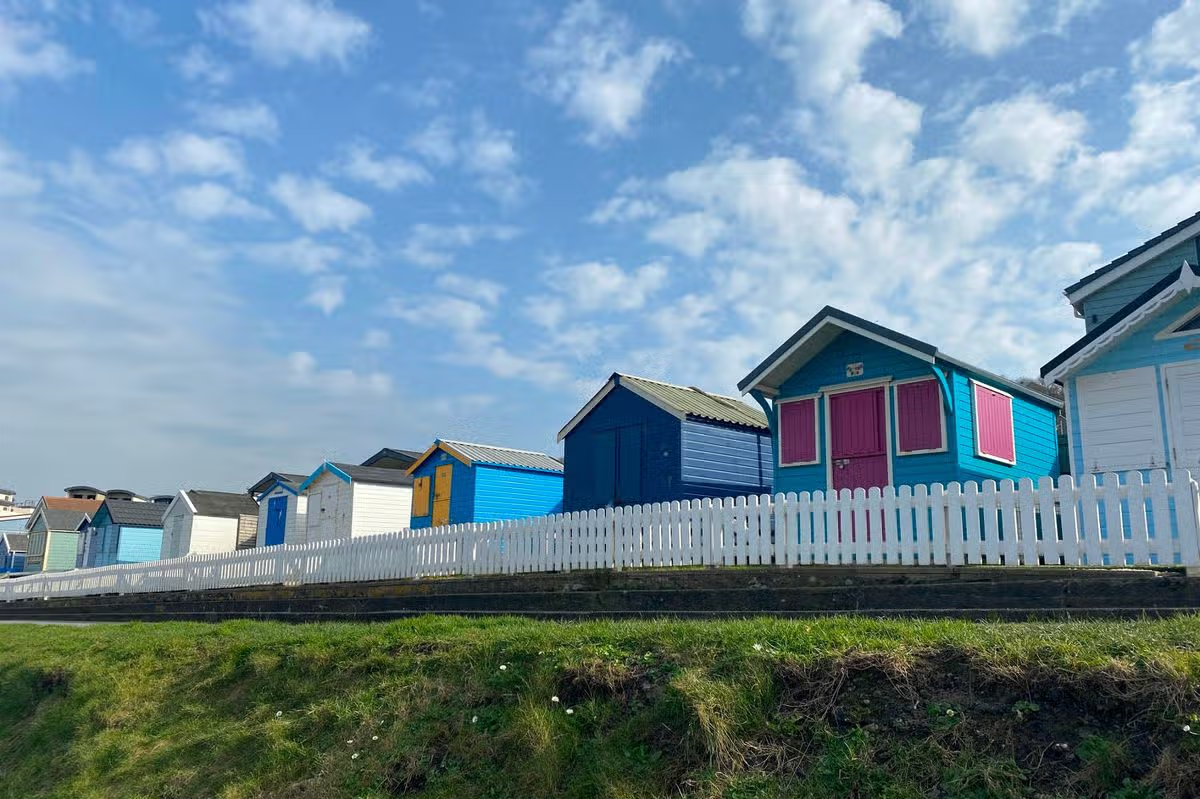
The beach huts in Westward Ho!(Image: Becky Dickinson)
Beach hut owners are urged to batten down the hatches ahead of Storm Austen.
The first named storm of the season is expected to arrive on Thursday night (October 22), bringing 70mph gusts and heavy rainfall to the South coast.
Security specialist Rich Quelch at Nothing But Padlocks is urging beach hut owners in Devon, Cornwall and Dorset to secure their huts before the stormy conditions hit.
He adds that beach huts in England’s coastal communities are worth of £40,000 on average, according to their recent analysis of current sale listings.
Despite the epic price, it’s been found that, from a security standpoint, owners aren’t treating their beach huts as high value assets and are using cheap padlocks to secure them.
Rich advises owners to secure or remove loose items including windbreaks, deckchairs or paddleboards. He also suggests that roofs and doors are secure.
Sea spray can damage cheap padlocks, says Rich, those beginning to rust may require replacing with a highly corrosion-resistant marine-grade lock with a solid brass body and stainless-steel shackle and internal components.
Other advice includes taking photos of the hut to show what damage Storm Austen may have caused, not visiting the site during the storm and to rinse sea spray off the locks.
Rich said: “Beach huts in England’s coastal communities are now worth over £40,000 on average, according to our recent analysis of current sale listings. To put this into perspective, the average house deposit in the UK is currently around £63,000.
“But many owners aren’t treating their prized possessions as high-value assets from a security standpoint, using cheap padlocks that you’d usually find on a wheelie bin or storage box.
“There’s still time to make a real difference before the storm arrives. Secure or remove anything loose, take home light and movable items like windbreaks, deckchairs, paddleboards and anything else stored outside or on the decking. In 70mph gusts, even something small can cause serious damage to your hut or your neighbours’.
“Next, check the roof and doors. Look for roof felt that’s lifting at the edges, loose fascia boards, and doors or shutters that don’t latch firmly. These are the first things high winds will catch.
“Then, inspect your padlock. If it’s already showing signs of rust, replace it. Salt-laden sea spray driven by high winds corrodes cheap metal fittings fast, and a standard padlock will weaken quickly. Instead, choose a highly corrosion-resistant marine-grade lock with a solid brass body and stainless-steel shackle and internal components.
“Photograph your hut inside and out, along with its contents. Even if you have specialist insurance, you’re unlikely to be covered for gradual weather damage, so dated photos taken before the storm can help show what damage Storm Austen caused – if any.
“Finally, take home valuables and soft furnishings. This reduces the temptation for thieves and protects fabrics from damp if water gets in.”
“Please don’t visit your hut while the storm is passing through. Seafronts will be dangerous in these conditions, and no beach hut is worth putting yourself at risk for.
“Once it’s safe, check your hut as soon as you can. Storm damage can leave huts exposed, and a hut with a damaged door or a weakened lock on a deserted promenade is exactly what opportunistic thieves and vandals look for. Huts that look neglected or poorly secured are more likely to be targeted first.
“Rinse salt off locks and fittings with fresh water, dry them, and apply a lubricant. A keyless combination lock can make these regular checks easier for you, family or friends over the winter. If your hut needs more than one lock, choose keyed-alike padlocks that open with a single key, which reduces the cost of spares and makes access simpler.
“Remember that a padlock is only as strong as what it’s fixed to. A heavy padlock on a screwed-on hasp is useless. Fit a hardened hasp and staple, coach-bolted through the door with a backing plate and concealed fixings.”