
I guess I need to continue to tap the ‘decade of the hybrid‘ sign until it falls onto the floor of this bus. If I’m endowed with extra strength today it’s because of the example set by the Texas Longhorns softball team. I, along with the entire Morning Dump team, would like to congratulate them for their hard work, commitment, and the ice cold water in their veins. Now it’s time to sit back and party.
Unless you’re Volkswagen’s American arm. If you’re on the executive team in Herndon, Virginia, you’ve got a little bit of work left before you can celebrate. Specifically, you gotta get going on hybrids. It’s just gonna take a minute. The upside, at least, is that for now the USMCA’s carveouts still exist, in case the supply chain that VW needs goes partially through Mexico or Canada. In Australia, there are no such concerns, as a majority of imports now come from China.


Toyota still makes the GR86 here in the U.S., and while it’s in the “very slow, minor updates” part of its lifecycle, it’s cool that Toyota (and Subaru) still sell the car.
There’s No Volkswagen Hybrid Without A North American Supply Chain
 Photo: VW
The mood at Volkswagen of America is reportedly grim, especially as the automaker’s ping-ponging from Dieselgate to electrification resulted in the company skipping over the important step of developing hybrids. The new head of VW’s American arm, Kjell Gruner, is on the case, telling Automotive News that “We would like to have them yesterday.” So what’s the issue?
“For those hybrids, they really need to be made in the U.S.,” Gruner told Automotive News. “So the battery made here, the gearbox made here and that means that you need to redo the software and then you have the engine together with a hybrid powertrain. That just takes time.”
Atlas and Atlas Cross Sport hybrids will be built in Chattanooga, Gruner said. The Tiguan hybrid will likely be built in Mexico.
It’s good that Volkswagen is taking its time and, at the same time, super frustrating that it’s taking so long for VW to have a hybrid. There are companies that currently sell hybrids built abroad, but production is increasingly shifting to the US for both trade reasons (tariffs) and economic ones (huge demand). If VW were to build out a hybrid capability abroad and then find itself on the wrong end of a trade war that would suck.
For Kia, the company realized it would save more than 10% by building the Sportage Hybrid in the United States, so it’s likely that the overriding condition here is simply a trade barrier, although both Toyota and Honda have been building them in the United States for years. I do appreciate that Gruner also added these would be real hybrids, and not the 48v mild hybrids that are so popular in Europe and are starting to become more common here. It’s not that those systems are bad. They’re not, and basically solve the issue everyone has with start-stop systems, but it’s not the same thing. [Ed Note: As someone who helped develop a mild hybrid system on the Jeep Wrangler 2.0, I think MGU/BSG-based mild hybrids are a waste of time. -DT].
A true hybrid Atlas and Atlas Cross would be a nice addition, though I think the most potential comes from the Tiguan. It being built in Mexico could be a problem, but current developments are at least positive on that point.
Mexico Thinks Car Parts And Automakers Will Avoid Forced Labor Enforcement Tariffs
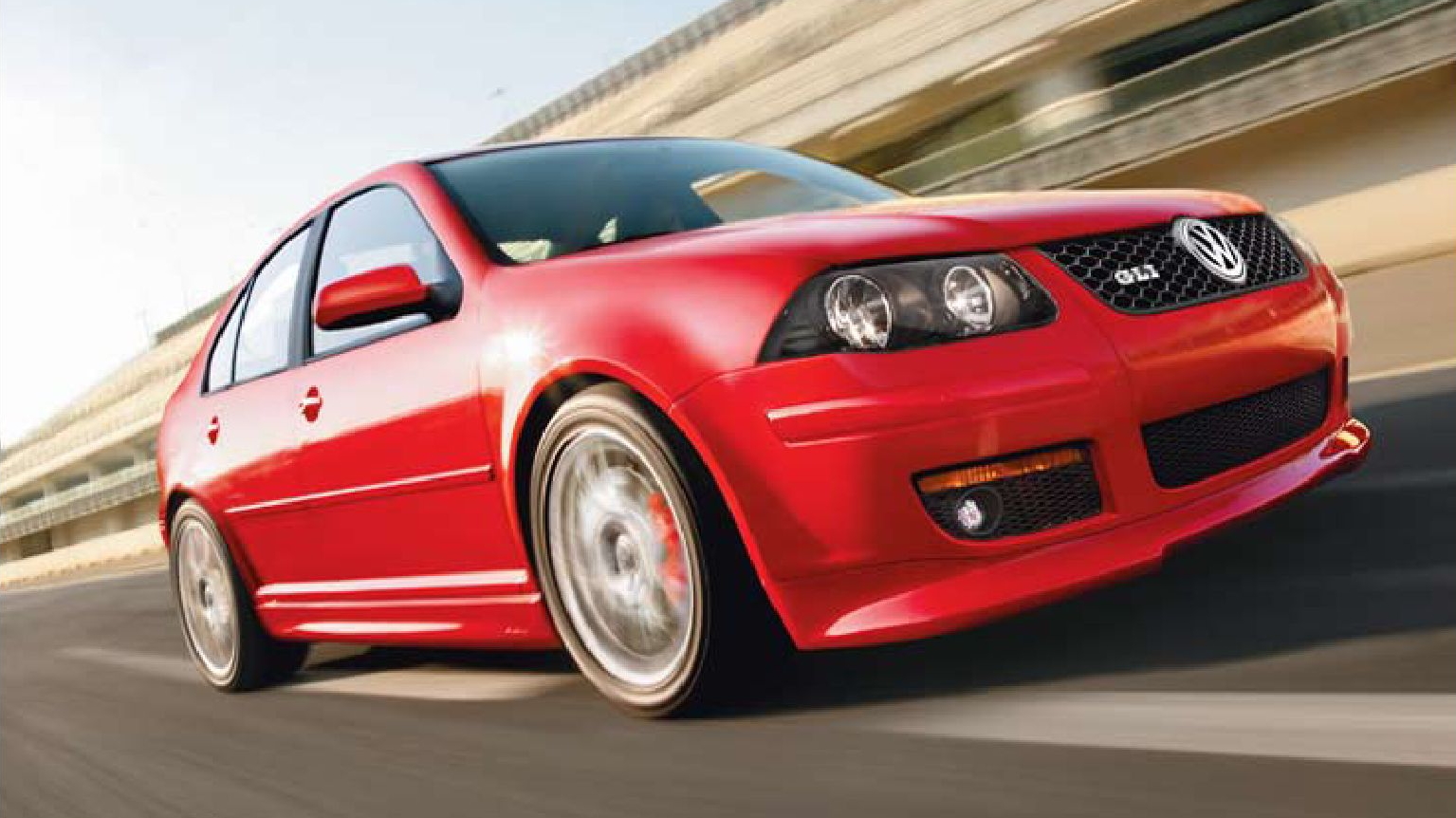 Photo credit: Volkswagen Mexico
Everyone in the car industry has been keeping a close eye on what happens as the White House renegotiates the United States-Mexico-Canada Agreement (USMCA), with automakers perhaps worried that they can’t run out the clock on the Trump Administration when it comes to making cars or parts in Canada or Mexico.
There’s some potentially good news for automakers via Reuters:
Mexico said on Wednesday that goods complying with the rules of origin under the United States-Mexico-Canada Agreement (USMCA) would be exempt from a proposed 10% U.S. tariff tied to an investigation into forced labor enforcement.
The Mexican Economy Ministry said the clarification came after consultations held with the Office of the U.S. Trade Representative (USTR). It added that roughly 85% of Mexico’s exports to the United States qualify under USMCA rules of origin and therefore would not be subject to the proposed measure.
The USTR has proposed a 10% tariff on imports from Mexico and around a dozen other economies, including Canada, the European Union, Argentina and Britain, as part of an investigation alleging that 60 countries failed to effectively prevent imports of goods made with forced labor in third countries.
The Trump Administration continues to look for ways to re-impose tariffs (even as the court starts knocking them down), while also granting numerous waivers so it doesn’t accidentally blow up the entire economy.
Australia Now Imports More Cars From China Than Japan
 Photo: BYD
There’s been a preponderance of successful Chinese trucks being sold in Australia and now the country, which is uniquely susceptible to fluctuations in gasoline prices, finds itself on track this year to import more of all Chinese vehicles as Bloomberg reports:
Almost 36,000 passenger cars from China landed in Australia in April, according to government data released Thursday, well ahead of the 29,000 from Japan. That took the number of Chinese cars arriving in Australia in the first four months to above 100,000, a 51% increase on the same period last year.
Ford and GM both had operations in the country that evaporated around the time of the Global Financial Crisis, with China seemingly happy to pick up the slack.
The Toyota GR86 Continues On With Small Tweaks, Grey Paint
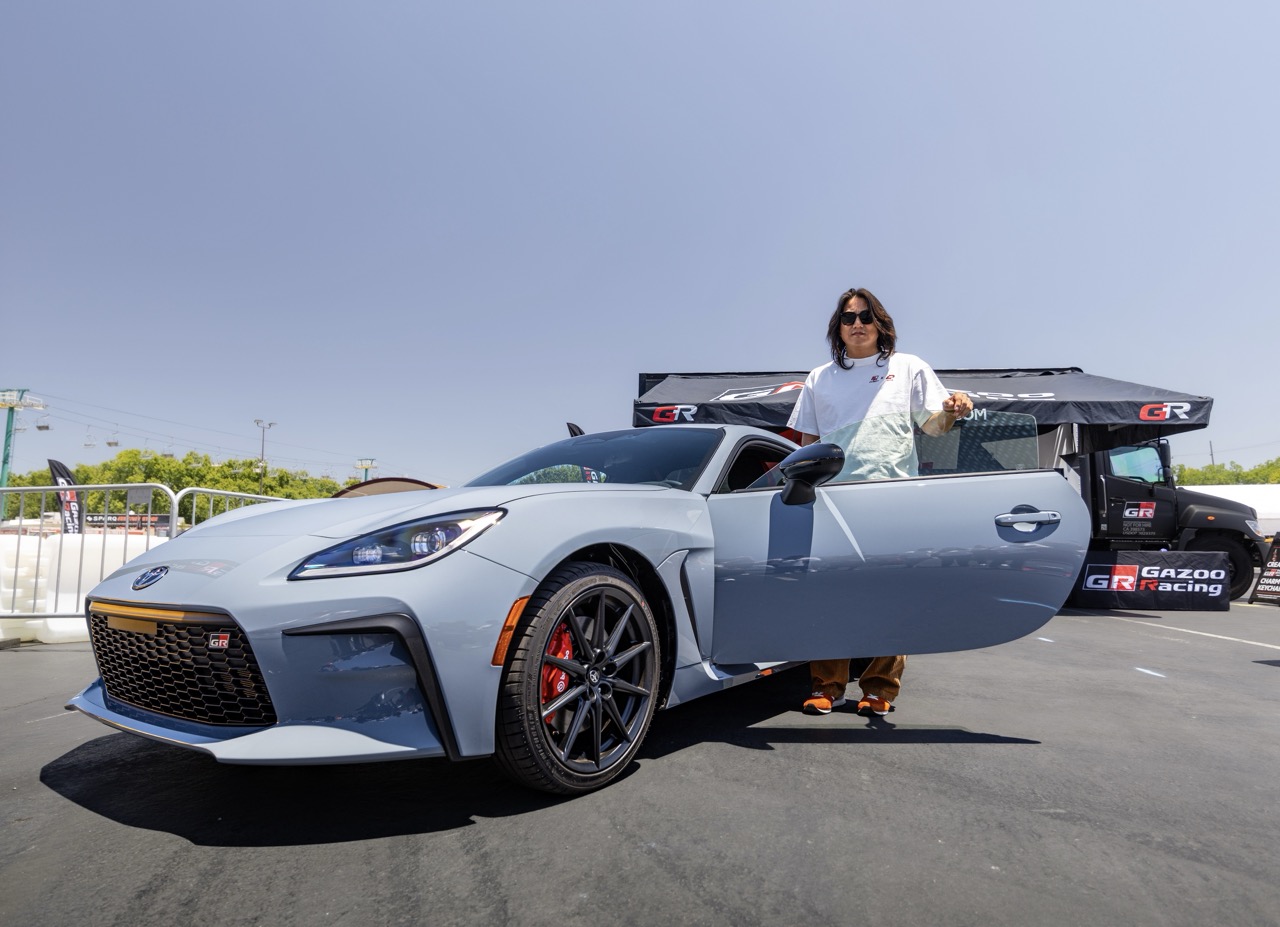 Photo: Toyota
Hey, it’s Sung Kang! I’ve had a couple of opportunities to talk to Sung and he’s a cool dude. I’m looking forward to his movie about drifting.
I’m also a fan of the Subaru BRZ/Toyota GR86 twins, which are relatively affordable and light sports cars that you can buy, right now, in America. They’re both getting a little on in age, sure, but it’s a treat that you can still buy them. The GR86 has gotten some minor tweaks for this year:
To improve controllability, engineers refined the relationship between accelerator input and torque delivery to help create a smoother, more linear response. They also widened the chamfer of the shifter interlock between 4th and 5th gear by approximately 0.02 inches to help deliver a smoother shift feel.
In addition to the new Thunder exterior color, the 2027 GR86 introduces updated interior options that build on its driver-focused, GR-inspired character. A new available Cockpit Red interior adds bold contrast to the cabin with black Ultrasuede® and red leather accents on the side bolsters, red floor mats and red door accents. A black interior option is also available, featuring black Ultrasuede® and black leather-trimmed upholstery, black stitching and an all-black cabin treatment. Premium models also receive a cast iron black finish on several interior touchpoints, including the switches, knobs and shifter, for a more cohesive appearance. The base grade comes equipped with six-way adjustable black GR-embossed fabric seats with sport fabric side bolsters.
Additional updates were also made to help enhance driver confidence. The recognition range of the stereo camera was nearly doubled to improve detection of preceding vehicles when using cruise control. A monocular camera was also added to help detect nearby objects at intersections.
I assume ‘The Widened Chamfers’ is the name of SWG’s Echo And The Bunnymen cover band.
What I’m Listening To While Writing TMD
We are somehow short one Peter this week, so I’m doing social as well. I got it in my head to do a Paula Abdul theme for everything on some of our social platforms. I cannot explain why, so please don’t ask. This means that “Rush, Rush” has to be the video of the day.
The Big Question
What’s your favorite music-video car?
Top photo: VW