
ⓘ Bosch
Bosch Unveils Its First In-Hub Motor
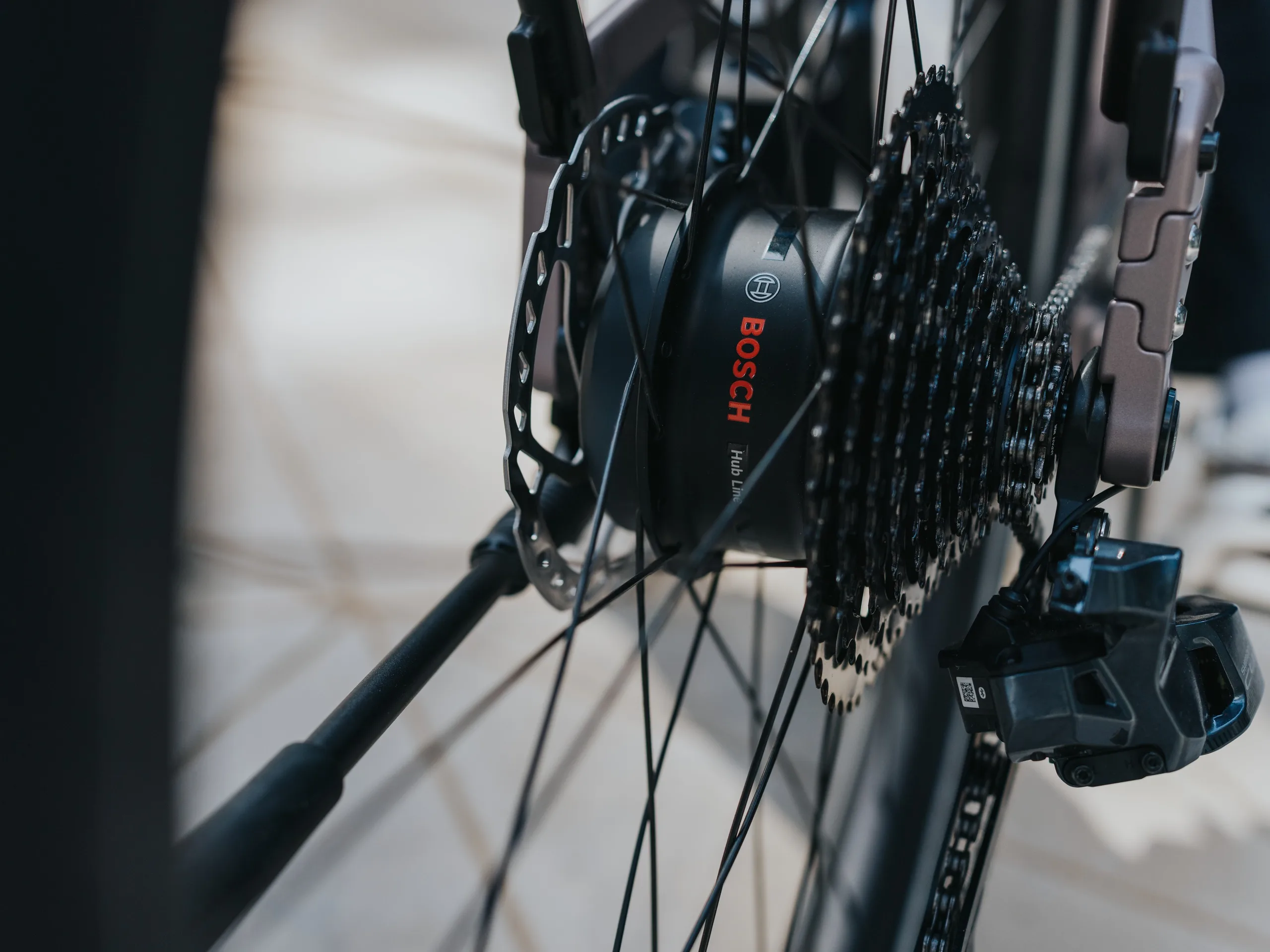
Bosch is launching its first in-house hub motor, designed to deliver agile handling and virtually no additional pedalling resistance above 25 km/h.
Bosch continues to expand its presence in the e-bike segment. While the company has long been known for its popular mid-drive motors, it has now introduced the new Hub Line. As with Bosch’s other offerings, this is not just a standalone motor but a complete ecosystem. The hub motor delivers up to 400 watts of peak power and 45 Nm of torque. Weighing 2.3 kilograms and measuring just 100 millimetres in diameter, it is compact enough to blend in visually and is not immediately recognisable as a typical hub motor. These specifications apply to the European version for now, with versions for less restrictive markets likely to follow.
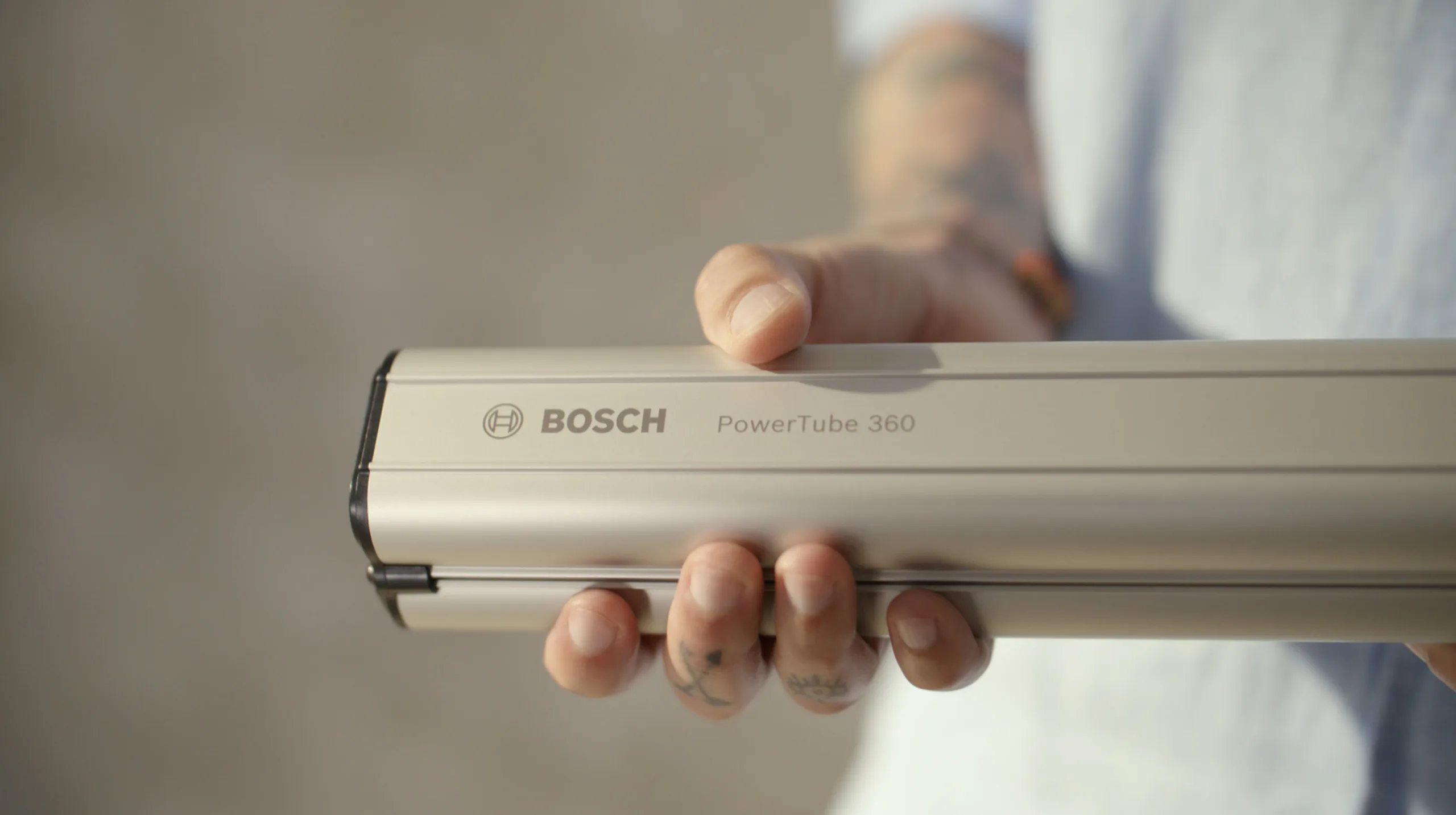
Bosch also introduced the PowerTube 360, a particularly slim battery with a diameter of 68 millimetres and a weight of 2.1 kilograms. With a capacity of 360 Wh, it falls below the segment average but is well suited for urban e-bikes. Manufacturers can integrate the battery either permanently or as a removable unit, and range can be extended via options such as the PowerMore 250 range extender. The new LED Controller replaces the previous LED Remote and features a more compact design with five buttons positioned for easy thumb access. Bosch also offers the Intuvia 200 display, a compact 2.4-inch unit. As usual, Bosch is supplying the system rather than complete bikes. E-bike manufacturers will bring Hub Line models to market, with Vello among the first to announce a compatible model.
ⓘ Bosch
A compact battery was also unveiled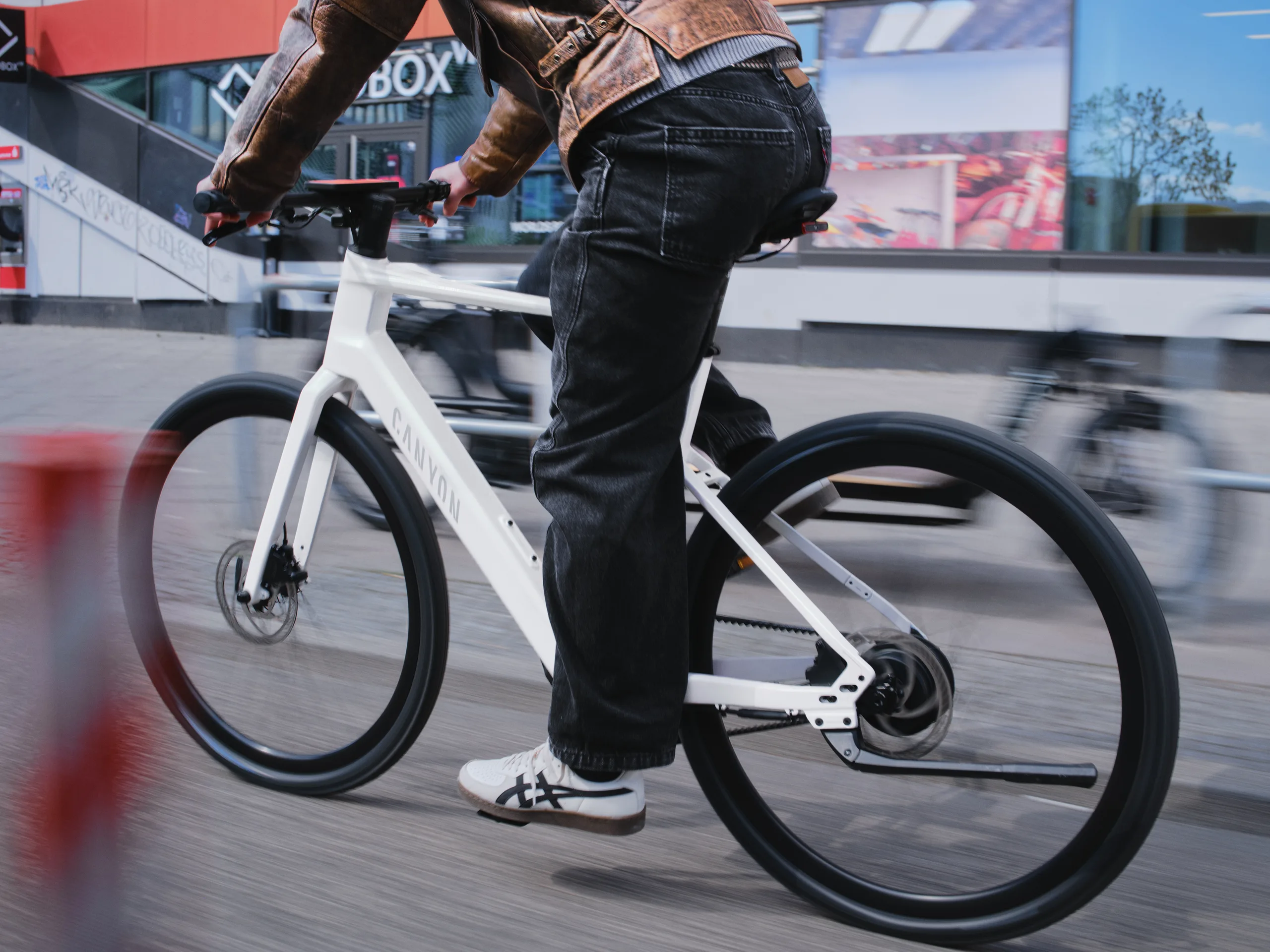
ⓘ Bosch
Bosch sees the Hubline primarily in city e-bikes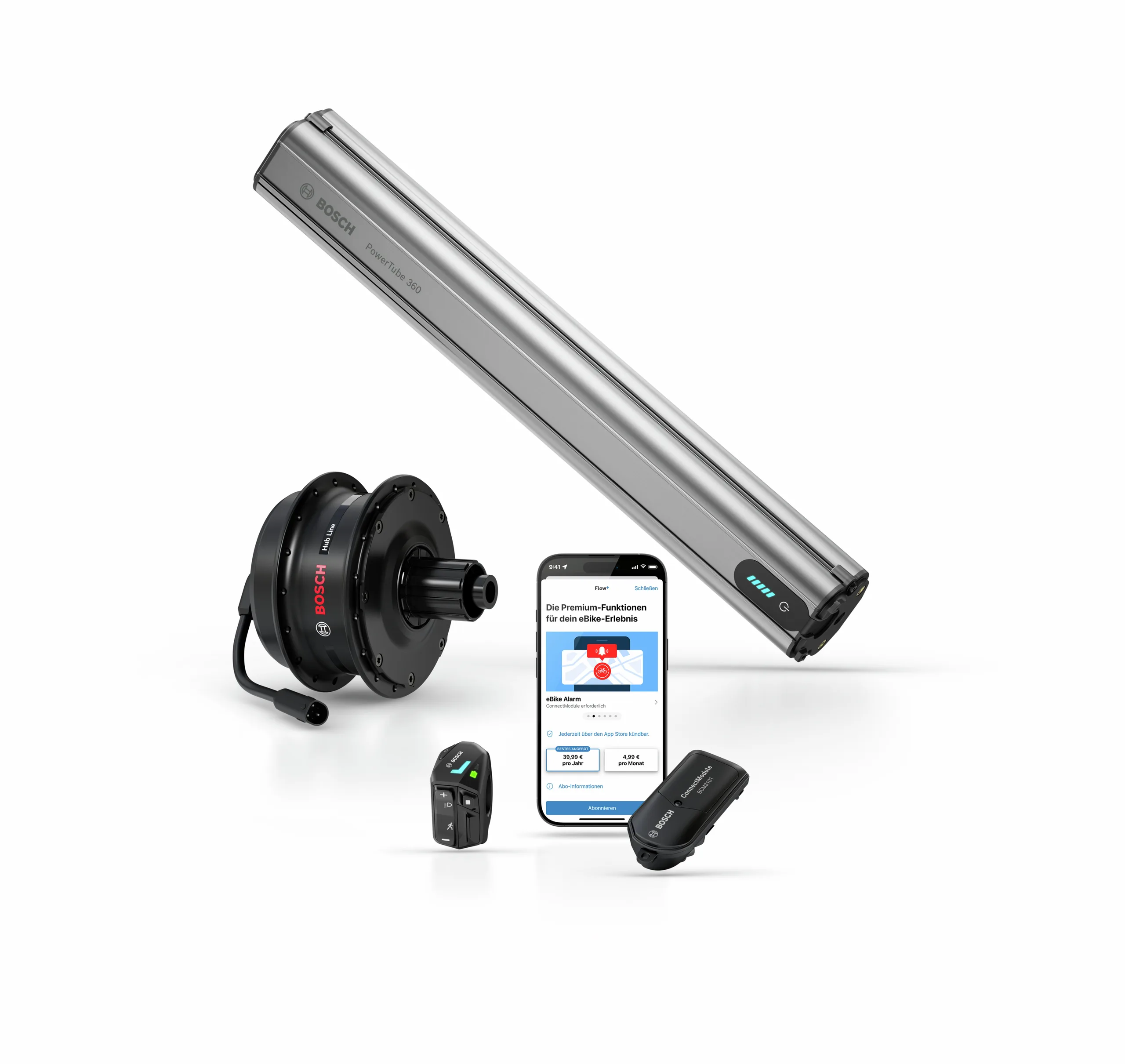
ⓘ Bosch
As always, this is a holistic ecosystem, not just a standalone drive unit.

I have been active as a journalist for over 10 years, most of it in the field of technology. I worked for Tom’s Hardware and ComputerBase, among others, and have been working for Notebookcheck since 2017. My current focus is particularly on mini PCs and single-board computers such as the Raspberry Pi – so in other words, compact systems with a lot of potential. In addition, I have a soft spot for all kinds of wearables, especially smartwatches. My main profession is as a laboratory engineer, which is why neither scientific contexts nor the interpretation of complex measurements are foreign to me.