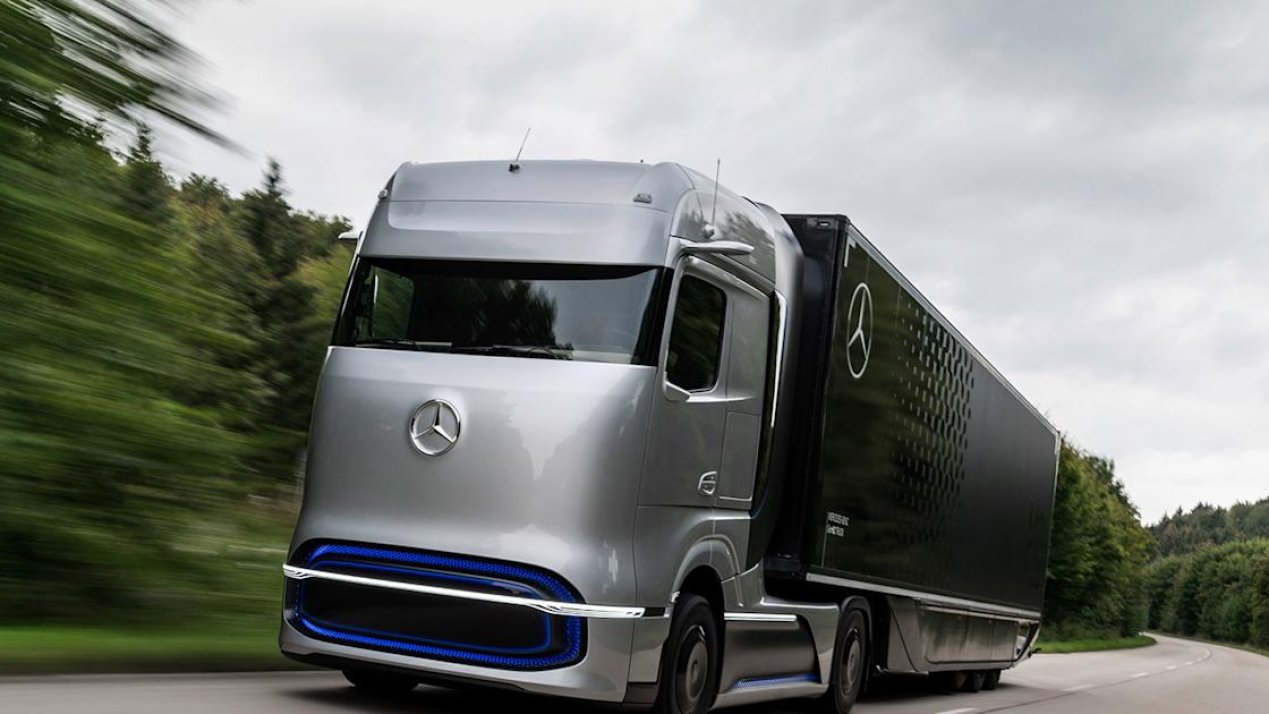
Daimler Truck’s North America division recovered in 2Q26, increasing sales by 42% compared with the previous quarter to 41,687 units after facing tariff pressures, weaker order intake, and higher costs earlier in the year. The rebound contributed to Daimler Truck’s global second-quarter sales growth, with the company delivering 86,707 vehicles worldwide, an 8% year-over-year increase.
The recovery in North America followed a challenging first quarter, when Trucks North America sales declined 25% year over year to 29,432 units. The decrease reflected lower order volumes from the previous year and the first full-quarter impact of US tariffs on imported heavy trucks and related components.
Daimler Truck Chief Financial Officer Eva Scherer said tariff-related expenses represented a significant cost burden for the division. In 12Q6, tariffs generated at least €100 million (US$117 million) in additional costs, while the combined impact of lower volumes, currency effects, and tariffs reduced the segment’s results by €624 million (US$730 million). Adjusted return on sales for Trucks North America fell to 5.4%, compared with 14.4% a year earlier.
The second-quarter improvement followed stronger order activity. Daimler Truck reported that global incoming orders increased 50% year over year in the first quarter to 114,043 units, while North American orders rose 86%. Company executives had previously projected that second-quarter North American deliveries would reach approximately 1.5 times the first-quarter level, a forecast reflected in the latest sales performance.
The Trucks North America segment delivered 41,687 vehicles between April and June 2026, compared with 29,432 units in the first quarter and 38,580 units in the second quarter of 2025. The division includes brands such as Freightliner and Western Star, which form part of Daimler Truck’s commercial vehicle portfolio in the region.
Electric vehicle deliveries also increased during the quarter. Battery-electric vehicles accounted for 1,405 units of Daimler Truck’s global second-quarter deliveries, compared with 742 units in the first quarter and 1,232 units in 2Q25. The increase reflects continued investment in electric commercial vehicle programs as manufacturers respond to evolving fleet requirements, regulatory pressures, and emissions targets.
The improvement in Daimler Truck’s North American business comes as the region’s heavy-duty vehicle sector continues adjusting to trade policies, production changes, and supply chain pressures. In the United States, a 25% tariff on imported heavy trucks announced in 2025 affected manufacturers with international supply networks, including companies operating production systems connected to Mexico.
Daimler Truck brands recorded mixed commercial performance in Mexico during the first five months of 2026. Freightliner’s retail sales reached 620 units, a 7.1% year-over-year increase, while Mercedes-Benz Autobuses accumulated 665 units, down 10%, according to INEGI. In wholesale sales, Freightliner’s January-May volume declined 10% to 1,630 units, while Mercedes-Benz Autobuses decreased 50.8% to 522 units.
Freightliner exported 33,282 units between January and May, an 8.6% decline compared with the previous year, despite exporting 8,775 units in May, representing a 10.7% year-over-year increase. Mercedes-Benz Autobuses did not report heavy vehicle exports during the period. Freightliner produced 35,001 units during the first five months of the year, down 9.4% from 38,620 units during the same period of 2025, while Mercedes-Benz Autobuses production fell 55.7% to 535 units from 1,209 units a year earlier.
Other Daimler Truck divisions also reported higher deliveries during the second quarter. Mercedes-Benz Trucks delivered 38,970 units, compared with 34,486 units in the first quarter and 38,294 units during the same period of 2025. Daimler Buses delivered 6,132 units, increasing from 4,972 units in the previous quarter.