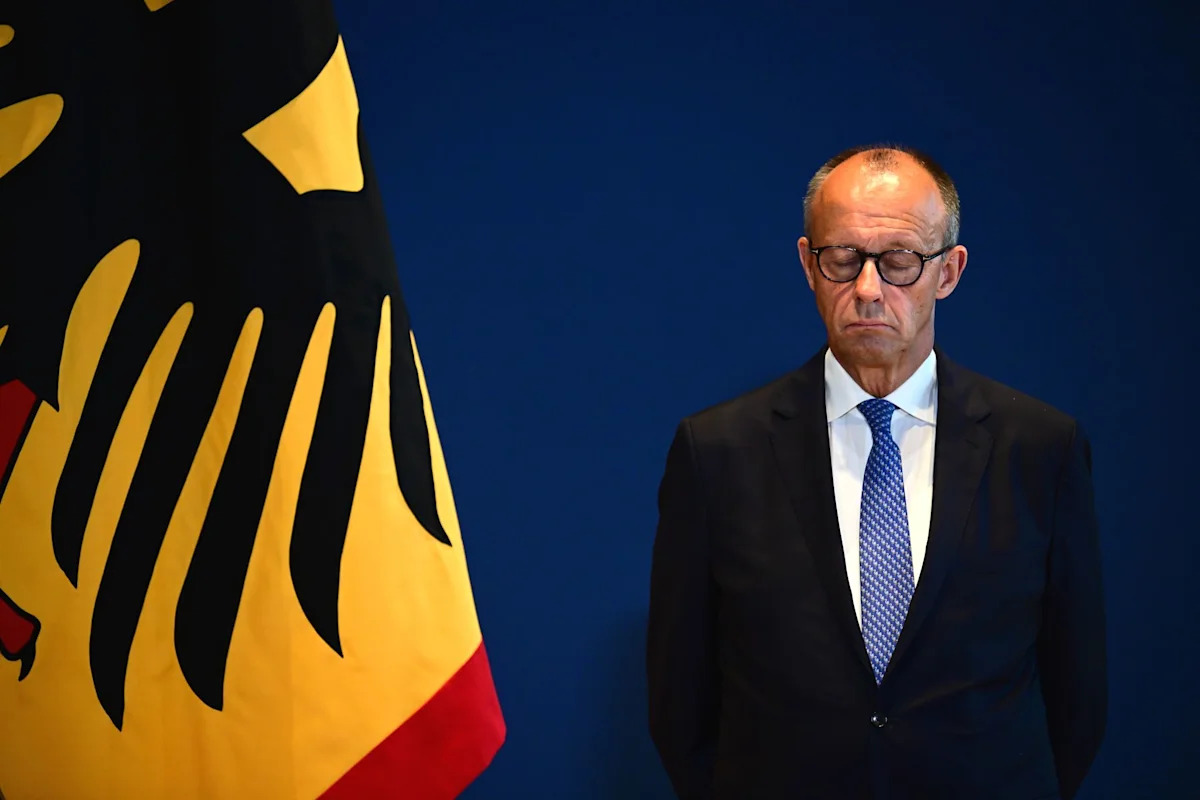
Germany’s centre-right government underwent a Cabinet reshuffle on Wednesday after the resignation of a senior conservative politician over his decision to become a parent through surrogacy.
President Frank-Walter Steinmeier formally appointed Nina Warken as head of the Federal Chancellery, a role comparable to chief of staff to Chancellor Friedrich Merz.
Steinmeier also appointed Carsten Linnemann as health minister and Steffen Bilger as transport minister, handing the three politicians their certificates of appointment in Berlin.
Warken succeeds Thorsten Frei, who is due to be elected later on Wednesday as leader of Merz’s conservative parliamentary bloc.
Under Germany’s constitution, new ministers are required to take the oath of office before the lower house of parliament, the Bundestag. However, because parliament is in its summer recess, the swearing-in is not expected to take place until lawmakers return, likely on September 9.
Before the appointments, Steinmeier urged the government to press ahead with reforms, saying Germany faced major challenges from wars and geopolitical conflicts, new responsibilities within the European Union and NATO, and a prolonged period of economic stagnation.
The reshuffle also comes as Merz’s government struggles in opinion polls ahead of three high-stakes state elections in September, in which the far-right Alternative for Germany (AfD) is expected to make significant gains.
The immediate trigger for the personnel changes was the resignation this month of Jens Spahn as leader of the conservatives’ parliamentary group after he disclosed that he and his husband had become parents through surrogacy in the United States.
Surrogacy is banned in Germany, and Merz’s Christian Democrats (CDU) have long opposed legalizing the practice, including Spahn himself.
Following sharp criticism from fellow conservatives and pressure from Merz, Spahn stepped down.
Merz’s reshuffle also includes a series of changes at state secretary level and within the CDU leadership.