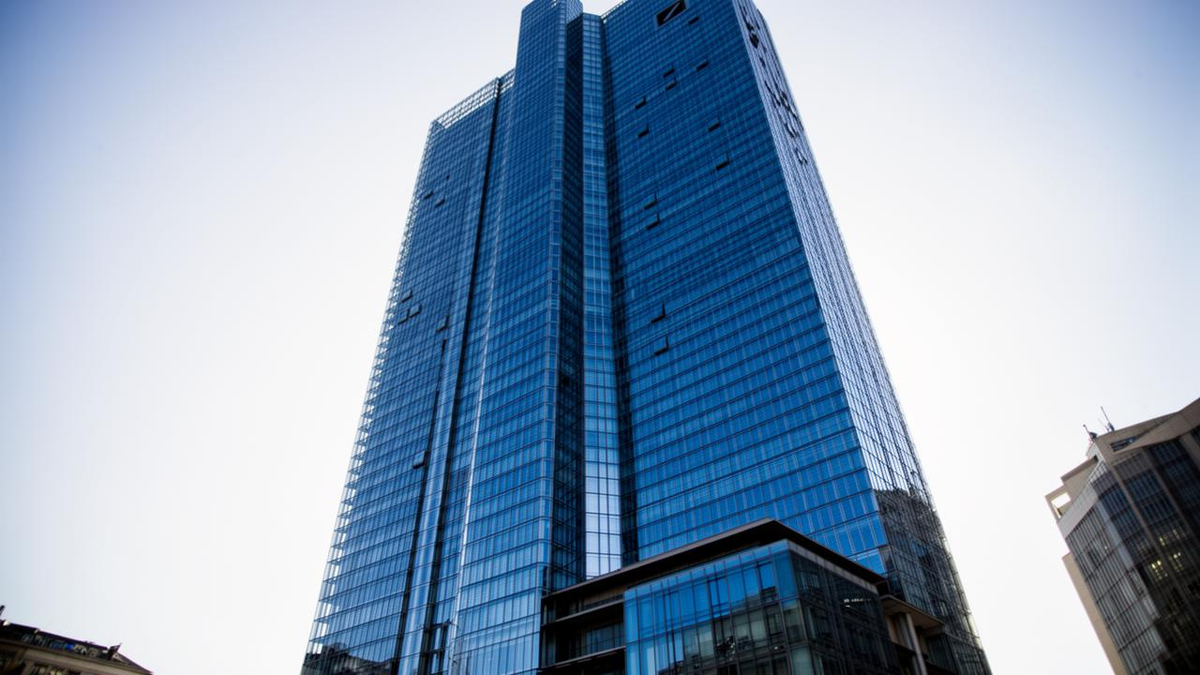
Deutsche Bank (DBKGn.DE) delivered a surprisingly high profit at record levels in the second quarter of 2026 and now sees itself on track to exceed its ambitious targets for 2028. Driven by unexpectedly strong performance in investment banking and a lively trading environment, net profit attributable to shareholders rose ten percent compared to the same period last year, reaching €1.64 billion.
Pre-tax profit climbed eleven percent to €2.68 billion, falling just short of the figure from the record year 2007. Net revenues at the DAX-listed group increased by nine percent to €8.48 billion. Analysts had previously forecast a net profit of only around €1.38 billion.
CEO Christian Sewing expressed corresponding confidence in a statement from the Frankfurt headquarters: “Together with our previous record results this year, these developments strengthen our confidence that we can exceed our targets for 2028.” Sewing, who took over the bank in April 2018 after several years of crisis, pointed to strong growth momentum and consistent cost discipline.
Investment Bank as Growth Engine
The global investment bank once again proved to be the decisive earnings driver. Revenues in the division surged by 19 percent, significantly exceeding analyst estimates of 7.6 percent. The business with corporate financing, advisory mandates, and IPO underwriting was particularly dynamic: revenues from Origination & Advisory jumped by a full 36 percent, shattering the forecast of 18 percent.
Deutsche Bank benefited from high-profile mandates in this area. The institution acted as lead underwriter for the highly anticipated IPO of space exploration company SpaceX and advised on a significant capital measure by Google parent company Alphabet. Trading in fixed-income securities and currencies (FIC) also posted a record result, growing by 16 percent, while analysts had expected an increase of only 5.1 percent. Geopolitical tensions surrounding the Iran conflict had caused increased market volatility and brisk trading activity in this segment.
Pre-tax profit for the entire investment banking segment rose by almost 60 percent year-over-year to €1.3 billion. The other business divisions, however, showed more subdued development. The retail business recorded an eight percent increase in revenues, while the corporate banking division grew by only one percent. Analysts had expected a slight decline of 1.2 percent in the corporate banking segment.
Key Figures at a Glance
MetricQ2 2026Q2 2025ChangeAnalyst ForecastNet Profit (Shareholders)€1.64 bn€1.49 bn+10%€1.38 bnPre-Tax Profit€2.68 bn€2.41 bn+11%–Net Revenues€8.48 bn–+9%–Return on Equity11%–––
Cost Discipline and AI Offensive
Despite strong revenue growth, operating costs rose by eight percent in the reporting period. Special effects had a particularly burdensome impact here: the bank had to set aside provisions of nearly €100 million for the withdrawal from the Indian retail business announced in June.
At the same time, Sewing is placing great hopes on the use of artificial intelligence to further increase efficiency. “AI opens up new opportunities to create added value for our clients and achieve additional savings,” the CEO stated. He also sees the institution strengthened in its growth strategy by an improving regulatory and political environment.
Tailwind for 2028 Targets and New Share Buyback Program
The strong performance in the first half of the year gives management tailwind for its long-term ambitions. The bank reaffirmed that it is firmly on track to achieve its revenue target of around €33 billion for the full year 2026. Looking at profitability, continued strong development is expected, with loan loss provisions reflecting the improving trends from 2025.
To pass the increased earnings on to shareholders, Deutsche Bank announced it would launch a new share buyback program in the second half of the year with a volume of €500 million. This follows the ongoing €1 billion buyback program. Assets under management rose by €135 billion in the quarter to over €1.9 trillion.
With these figures, Deutsche Bank is in line with the trend among international competitors. Both major U.S. institutions and European rivals such as France’s BNP Paribas (BNP.PA) reported higher profits in the second quarter, primarily thanks to buoyant investment banking.
Legacy Legal Issues in Focus
While the operating business is booming, legacy legal issues are catching up with the institution. Just last week, investigators searched Deutsche Bank’s Frankfurt headquarters. The background is the search for evidence of questionable stock transactions from the earlier days of its Postbank subsidiary. As reported by the newspaper Die Welt, the investigation, codenamed “Project Riesling,” is directed, among others, against Marcus Chromik, who held various management positions at Deutsche Postbank and has been a member of Deutsche Bank’s Management Board since 2025. He is accused of involvement in allegedly illegal Cum-Cum transactions. The bank itself initially did not comment in detail on the ongoing investigations.