Losses related to weather and climate disasters are expected to rise sharply by the end of the year, driven by the emergence of a record-intensity El Niño event combining with the effects of climate change, German reinsurer Munich Re warned on Thursday.
El Niño is a natural climate variation that warms surface temperatures in the central and eastern equatorial Pacific Ocean. Its impacts are global.
Combined with human-caused climate change, this phenomenon helped make 2024 the hottest year on record.
Munich Re therefore expects an El Niño event of “record intensity” in the second half of 2026, increasing the risk of droughts and wildfires in Australia, Central America, and parts of Africa, as well as record rainfall in the Americas.
In the face of these growing risks, “states, governments, the insurance industry, and policyholders must invest significantly more in natural hazard prevention,” said Tobias Grimm, chief climatologist at Munich Re, in an interview with AFP.
The second half of 2026 is already marked by wildfires ravaging Europe—an illustration of the lasting worsening of wildfire risks driven by climate change, according to Mr. Grimm.
Temperature records “are multiplying particularly during extreme heat episodes—and heat is a major trigger for wildfires,” he noted.
Furthermore, “heat is an often-underestimated hazard. Unlike storms or floods, it does not leave immediately visible traces of destruction,” he explained.
In Germany and France alone, heat has claimed roughly 5,000 lives according to health authority estimates, while the expert also highlights a “major economic risk” stemming from lower agricultural yields, damage to transport networks, and business disruptions.
Several nations have already raised the alarm due to the expected severity of El Niño.
In Sri Lanka, authorities have urged farmers to begin rice planting earlier than usual to protect crops from flooding. They have also called on the population to conserve drinking water.
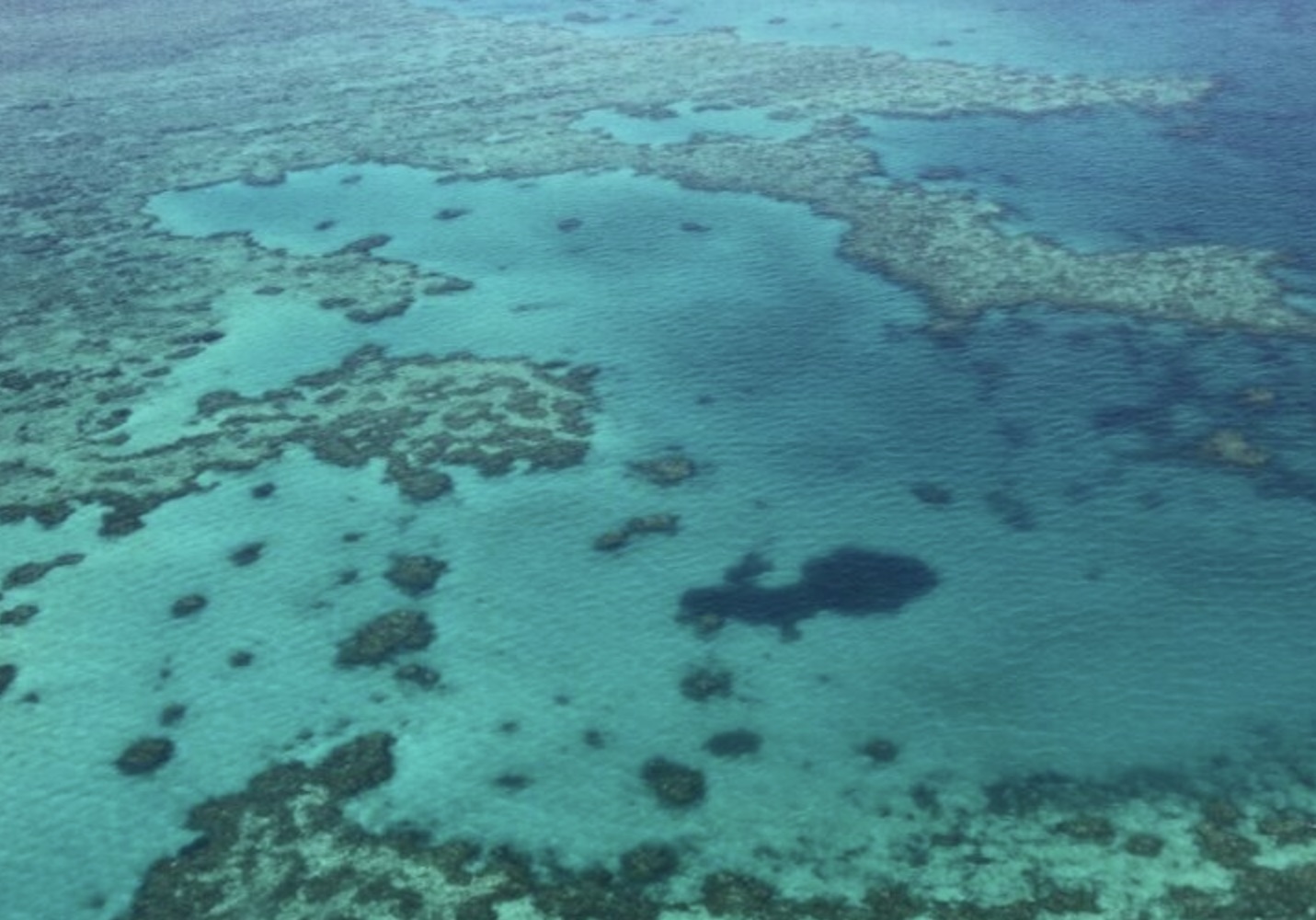
In Australia, scientists have warned that the Great Barrier Reef risks experiencing an “ecosystem collapse” under the impact of El Niño.
From January to June, insured global losses linked to natural disasters totaled $44 billion, leaving a 60% protection gap, Munich Re noted in its semi-annual report on the subject.
This figure includes non-climate natural disasters, such as the devastating earthquake in Venezuela.