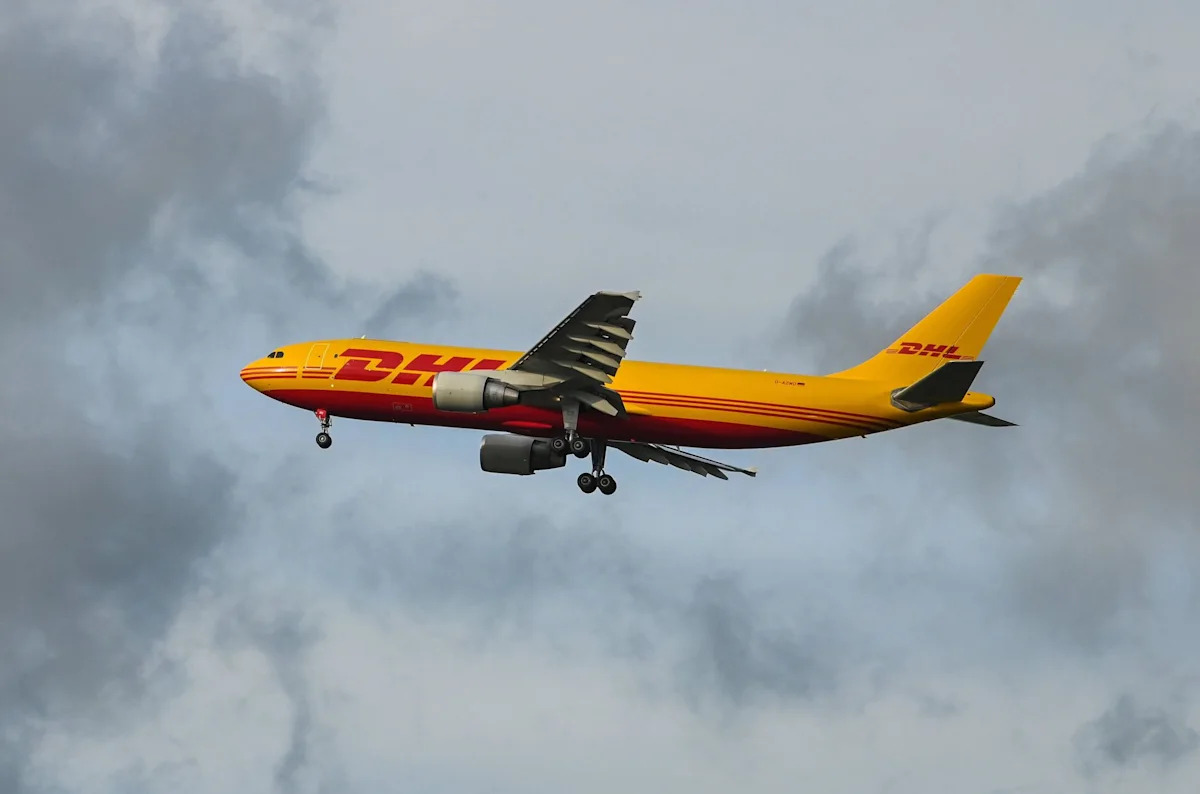
Testimony during a trial in Lithuania of five people suspected of mailing incendiary devices has shown how narrowly a cargo plane avoided being set on fire in mid-flight in July 2024.
A DHL company representative said on the witness stand that the parcel caught fire on the ground at DHL’s logistics centre at the airport in the German city of Leipzig shortly before loading, rather than during the flight, because the plane was delayed.
“We were lucky the aircraft was delayed. It was due to take off at 5:30 am and the incendiary device detonated at 5:43 am,” the DHL representative told the court, according to a report by the BNS news agency on Monday.
He added that the consequences would have been far more serious if the fire had broken out during the flight.
The DHL representative reportedly said the German firm had handled two out of a total of four incendiary devices that were sent – allegedly on behalf of the Russian intelligence service.
One of them ignited at Leipzig airport and set a freight container on fire. The other ignited in a warehouse in the United Kingdom. The container in question contained 140 parcels, according to the report.
“In our investigations, we found that both consignments were sent from Vilnius. We passed on all the information collected during the investigation to Lithuania,” the DHL representative said, according to BNS.
Extra security measures
According to the Lithuanian media report, the DHL manager acknowledged that the security measures in place before the incidents were inadequate. The parcels had been X-rayed but the incendiary devices were not detected, he said.
Security precautions were then tightened, the DHL representative said.
Lithuania brought charges earlier this year against five men aged between 23 and 69, accused of terrorist acts and founding an organized terrorist association.
Two consignments are said to have been sent by them from Vilnius with DHL cargo aircraft to the UK, while the other two were sent with DPD lorries to Poland. The suspects are citizens of Russia, Ukraine and Lithuania.
The proceedings in Vilnius have been separated from a broader investigation in which 16 suspects have so far been identified and accused of sending parcels containing homemade explosive devices via courier services to other EU countries and the UK.
In the course of the investigation, Lithuania’s authorities said they had determined that the actions were organized and coordinated by people with links to Russia’s military intelligence service.