
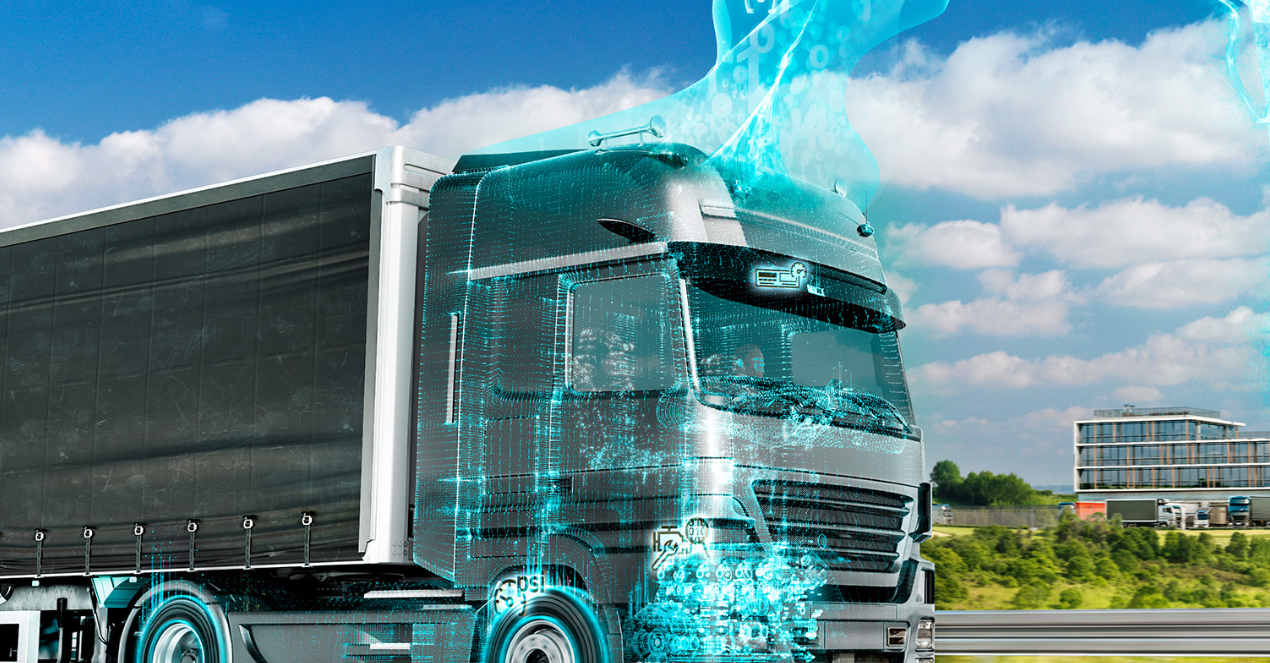
Driven by its software engineering legacy, India has become vital to the tech development strategies of global companies as the Software-Defined Vehicle (SDV) trend progresses. One of them is Daimler Truck, the world’s largest CV OEM. After being carved out of Bengaluru-based Mercedes-Benz Research and Development India (MBRDI) as part of the global demerger of Daimler AG’s PV and CV businesses in 2022, Daimler Truck Innovation Center India (DTICI) is getting increasingly critical for the German major.
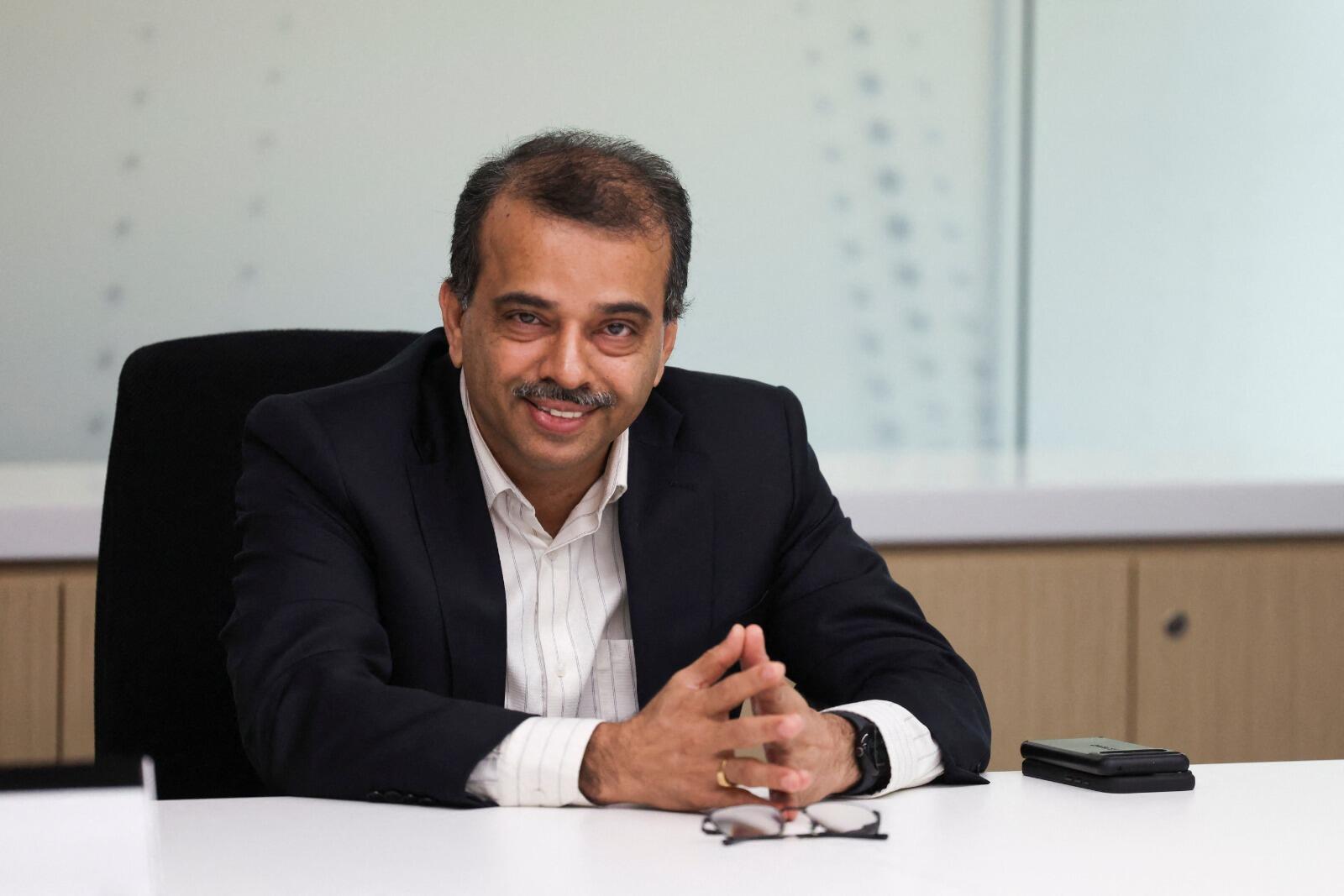
“We’ve grown from being a relatively small engineering organisation into a much larger centre with substantial strategic responsibility within the global corporation. What makes DTICI unique is that we contribute across the entire lifecycle of a truck or bus—from concept to customer,” Radhakrishnan Kodakkal, MD & CEO, DTICI tells ETAuto.
Engineering beyond the vehicleThe centre’s role extends beyond product engineering into manufacturing, where teams develop digital solutions to simulate and optimise production lines, while also supporting global sales operations through enterprise IT applications. Once the vehicle is sold, DTICI’s connectivity teams enable cloud-connected trucks and develop digital solutions for fleet operators and customer service organisations. Leveraging AI and machine learning, the centre also analyses enterprise-wide data to enable predictive maintenance, improve operational efficiency, and generate insights for new product development.“We’ve made substantial progress in developing diagnostics and repair solutions for our customer service organisation. Beyond that, we’ve also taken on responsibilities in training technicians who support our service centres and workshops, particularly in Europe,” says Kodakkal.
The Bengaluru technical hub also serves as Daimler Truck’s global Centre of Excellence for AI and Data Science, and it has been “investing heavily” in strengthening in-house capabilities. “We are also the Centre of Excellence for cybersecurity, making these strategic technology domains central to our global innovation agenda,” says Kodakkal.
In addition to leading DTICI, Kodakkal also has the mandate for Connectivity and Digital Services for Daimler Truck globally. “As a result, the Bengaluru team today has significantly greater accountability in developing connected vehicle solutions for the corporation,” he says during his first media interview in his current role.
Connected Vehicle tech is also proving to be a “critical differentiator” in commercial vehicles, enabling fleet operators to access real-time vehicle insights, while digital displays and in-cabin technologies significantly improve the driver experience. Kodakkal says driver assistance systems, for instance, have evolved from basic assistance to far more adaptive and intelligent systems.
According to him, more importantly, Connected Vehicle technology, for example, is “no longer just a technology push—it is increasingly customer-driven”. Fleet operators are looking for solutions that improve total cost of ownership (TCO). “That depends not only on an efficient powertrain but also on intelligent software that leverages connected vehicle data, AI and machine learning to optimise operations, improve vehicle utilisation and reduce downtime,” says Kodakkal.
While the SDV trend is also influencing the CV sector, the transformation is shaped by a different set of use cases. “Broadly speaking, there are two key dimensions: Power to drive and intelligence to drive,” says Kodakkal.
Cross-pollination of TechnologyThe engineer-leader took on his current role in March this year. After having worked in organisations in various sectors like IT and Software consulting, industrial automation and engineering, healthcare and medical devices, the move to DTICI was a “natural progression” as the automotive industry has always interested him. He sees opportunities for cross-pollination of technology-powered ideas between a sector or two he worked in earlier and commercial vehicles.
One of the strongest examples, according to him, is personalised customer offerings based on connected products. “Take the medical imaging industry, for instance. Systems such as MRI scanners and cath labs have been connected for many years. The manufacturer understands how customers use these systems, the kinds of procedures they perform, and how the equipment is utilised. This enables sales and service teams to recommend features or workflow improvements that help customers become more productive,” he says.
A strategic hubLike its counterpart MBRDI, Mercedes-Benz’s largest engineering hub outside Germany, DTICI is one of Daimler Truck’s biggest technology development and IT hubs globally. The other hubs are located in Germany, USA, Japan, and Turkey. DTICI works closely with Daimler Truck’s businesses across Europe, North America, Latin America, and India, making Bengaluru a truly strategic innovation hub for the organisation.
Daimler Truck has traditionally been strong in powertrain technologies, but over the last few years it has been stepping up efforts in developing software-defined capabilities. And that’s also where India becomes strategically important. A team at DTICI has a major responsibility in developing a Daimler Truck Operating System (OS), which could well be the first OS in the CV industry. It is expected to be rolled out by the early 2030s.
Key priorities and opportunitiesIn his role, Kodakkal has three key priorities: To leverage DTICI’s “unique position” of contributing to the entire lifecycle of a CV more effectively, to enhance the organisation’s overall business impact on Daimler Truck’s operations by developing even better digital solutions and services for customers and for the wider organisation, and lastly, to derive greater value from data.
And, for that, he will lean on the engineering talent in India, which he says has “evolved tremendously” over the years. “Today, Indian engineers are contributing not just to execution but also to innovation and product development at a global level,” he says. He adds that the next challenge, however, is the convergence of multiple engineering disciplines, because “modern commercial vehicles are no longer purely mechanical products. They combine mechanical engineering, electronics, software, AI and digital technologies”.
That would require engineers who have a strong understanding of core engineering principles while also being comfortable working across the emerging domains in the automotive industry. Kodakkal sees closer collaboration between DTICI’s engineers in India and their colleagues overseas, enabling knowledge sharing and exposure to global engineering practices, and deeper engagement with academia as approaches that will help meet the requirements and address gaps.
He says there’s a third factor that is becoming increasingly important. And that is the growth and evolution of the Indian commercial vehicle market itself. According to him, as engineers gain more exposure to real-world customer needs and operating conditions in India, they develop a much deeper understanding of how trucks and buses perform in actual applications. That practical insight is invaluable when designing the next generation of commercial vehicles. And some of them will also be seen in India, wearing the Bharat Benz name.
DTICI’s growing stature is not only a key strategy story in the Daimler world, but also a key GCC feather (Global Capability Centre) in India’s cap, also contributing to the country’s stature as the GCC capital of the world. Over half of the world’s GCCs are based in India.
Published On Aug 14, 2026 at 07:57 AM IST
Join the community of 2M+ industry professionals.
Subscribe to Newsletter to get latest insights & analysis in your inbox.
All about ETAuto industry right on your smartphone!
