
Image courtesy of Mercedes-Benz
I came across a news release about the new 2027 Mercedes-Benz C-Class. As a fan of the brand, I hurriedly dove in to see what new technology this German luxury automaker has come up with. I found myself becoming a bit disturbed reading about the Mercedes-Benz Operating System (or MB.OS) supercomputer that is now equipped with artificial intelligence (AI).
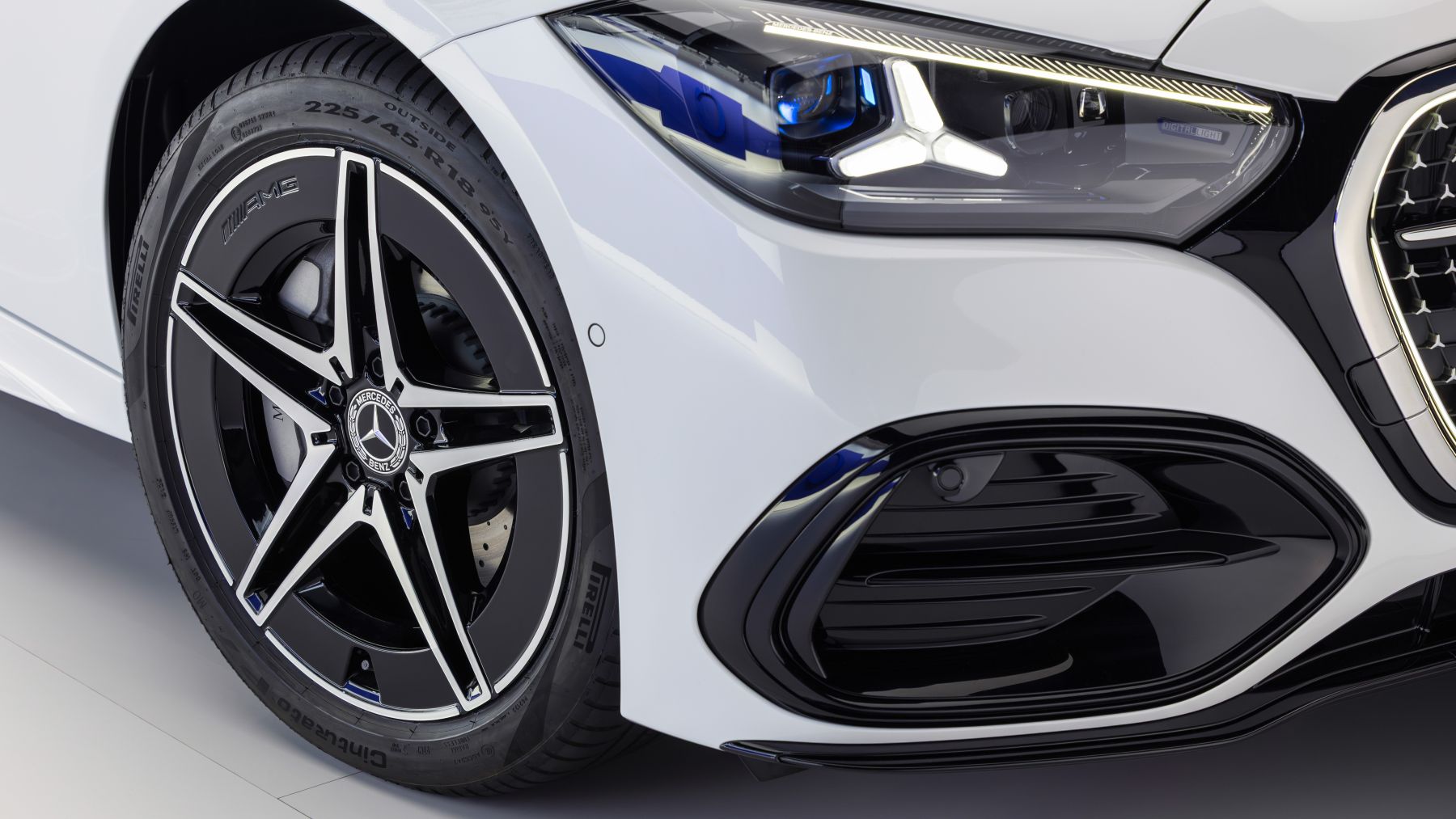 Image courtesy of Mercedes-Benz
To an extent, this was always the path technology was going to go down. It was going to end up more interactive, more accessible, and more predictive of our likes and dislikes. When it comes to the new C-Class, Mercedes-Benz explains the included MBUX Virtual Assistant operates like a “well-informed friend” that can partake in “complex conversations” and has short-term memory. The assistant can even recommend music and podcast content based upon the interactions it has with the driver.
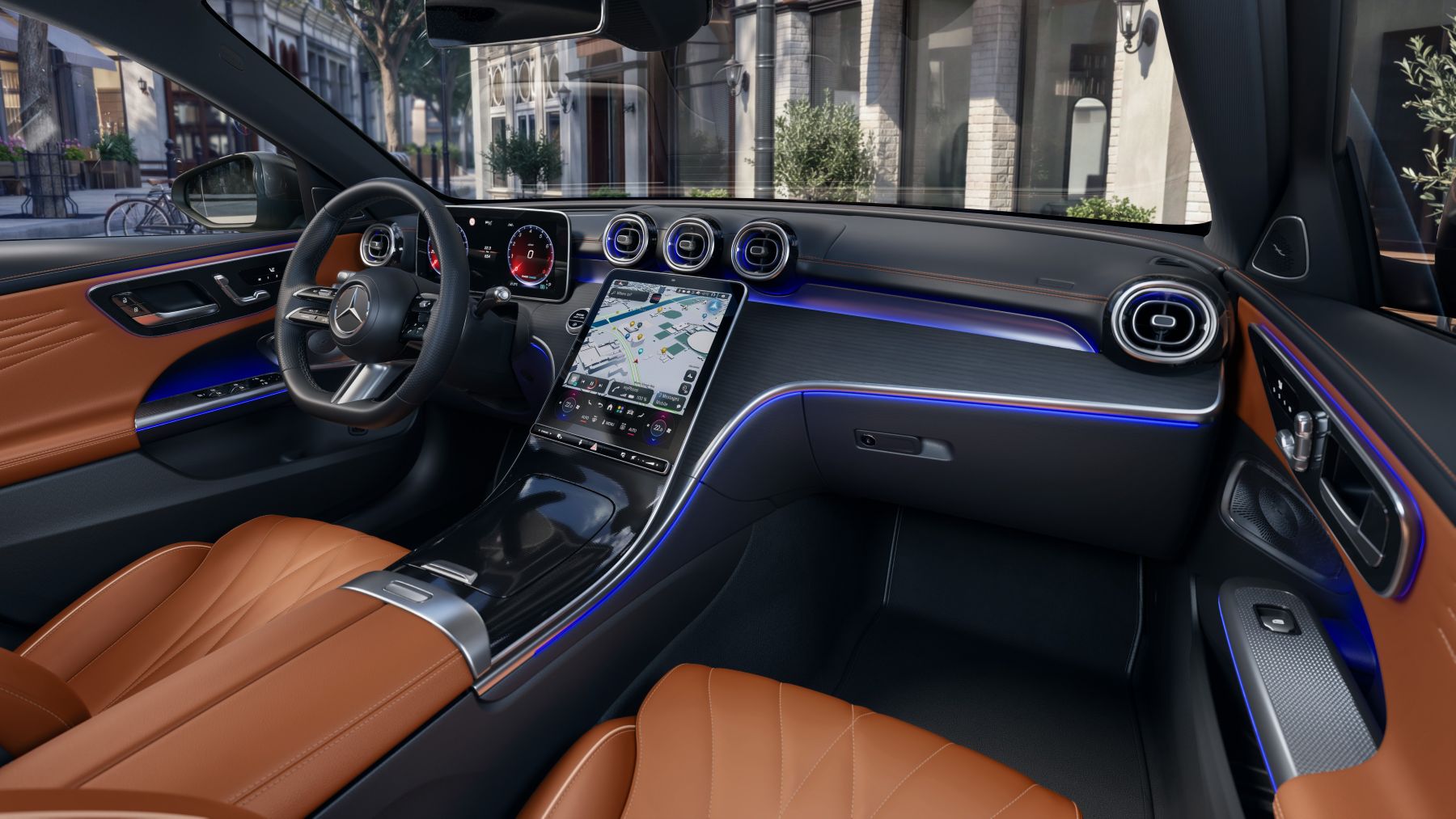 Image courtesy of Mercedes-Benz
Something that’s particularly innovative about this new agent is that it combines technology from Microsoft Bing, Google Gemini, and ChatGPT. Mind you, the parent company of one of these companies recently had a bot break free from containment and try to hack other AI companies.
Whether it’s “Knight Rider,” “The Jetsons,” or any of the “Iron Man” movies that feature Jarvis, this idea of having an intuitive virtual friend in your vehicle is nothing new. However, in modern times, it may be a small domino set in motion that affects society as a whole — perhaps not for the better.
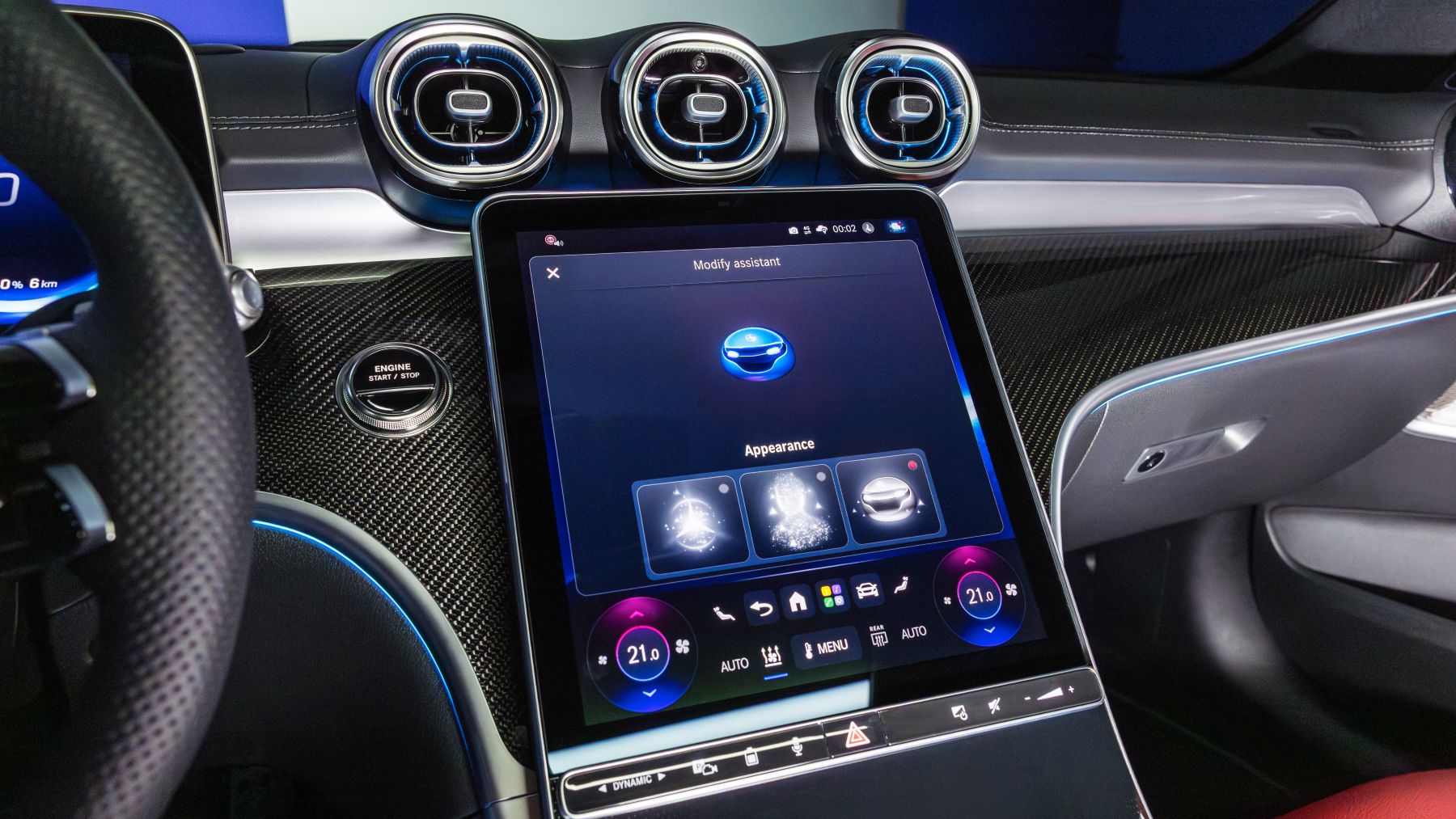 Image courtesy of Mercedes-Benz
After the COVID-19 pandemic, scientists concluded that the need for social interactions is on the same level as food, water, and proper sleep. Without it, there’s also an increased risk of dementia, depression, and even Alzheimer’s disease, according to the American Brain Foundation.
Mercedes-Benz says that the AI assistant strengthens the bond between man and machine. In a way, it’s correct, but it’s wrong about which machine. The AI assistant may serve as a representation of your car’s consciousness, but the interactions have little to do with the mechanical workings of the automobile.
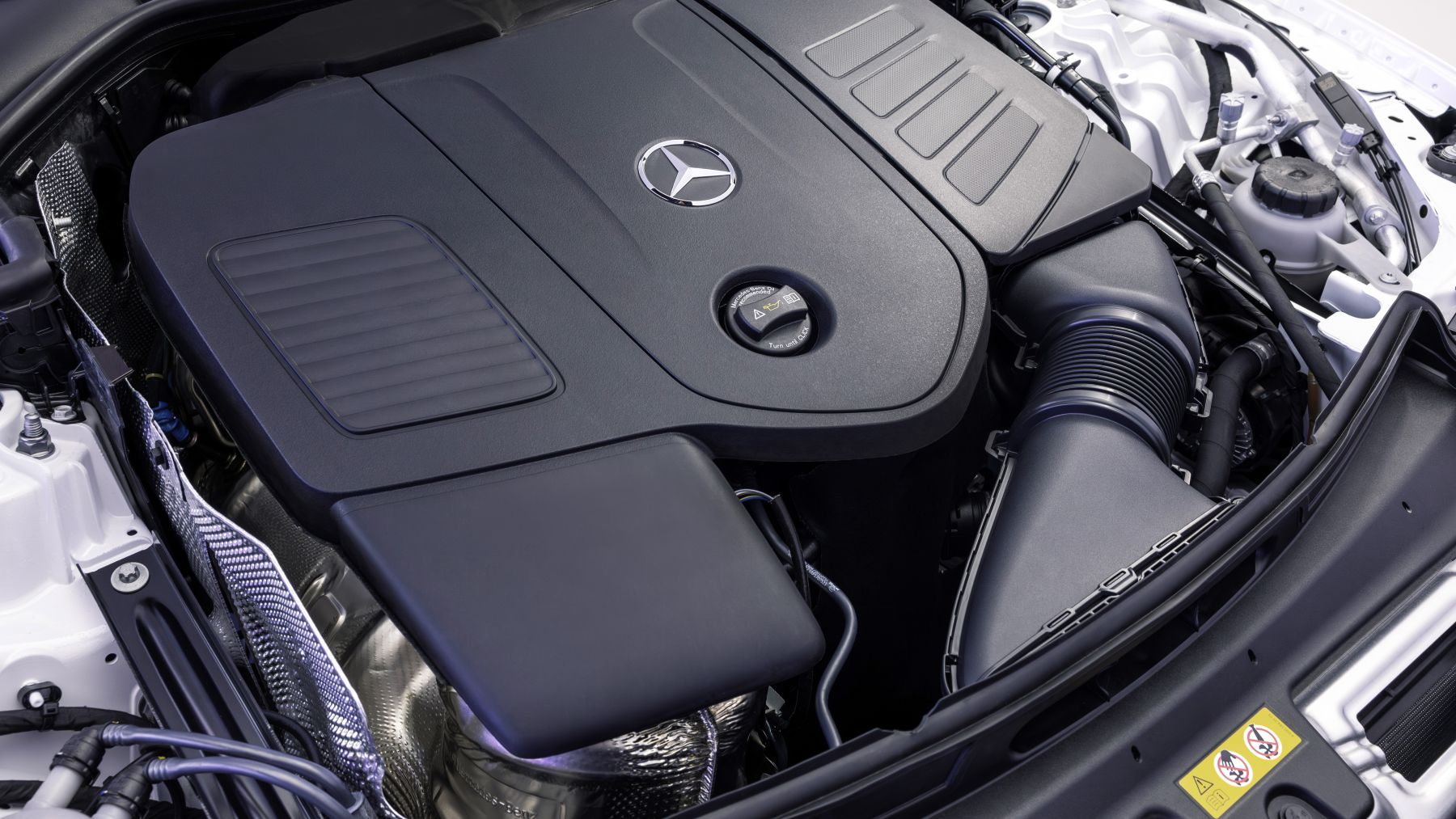 Image courtesy of Mercedes-Benz
The bond between man and machine is created by maintaining the vehicle and the memories made with the car. The new C-Class has enough possibilities of that on its own beyond the AI assistant, thanks to the M 254 EVO four-cylinder that features an over-boost function, adding a 27-horsepower bump for about 20 seconds. It also has newly tuned adjustable damping that reduces body roll, which should make the car much more fun to drive. The five-link rear suspension is designed to ensure precise wheel control when tearing around corners.
Not all the technology on the new C-Class is reminiscent of the Disney flick “WALL-E,” in which robots ensure humans feel happily connected to them so they can take over the world. Some of the technological aspects are very intuitive and promote safety. For instance, Mercedes-Benz built the new C-Class with eight cameras, five radar sensors, and 12 ultrasonic sensors to handle the driver and parking assistance technologies.
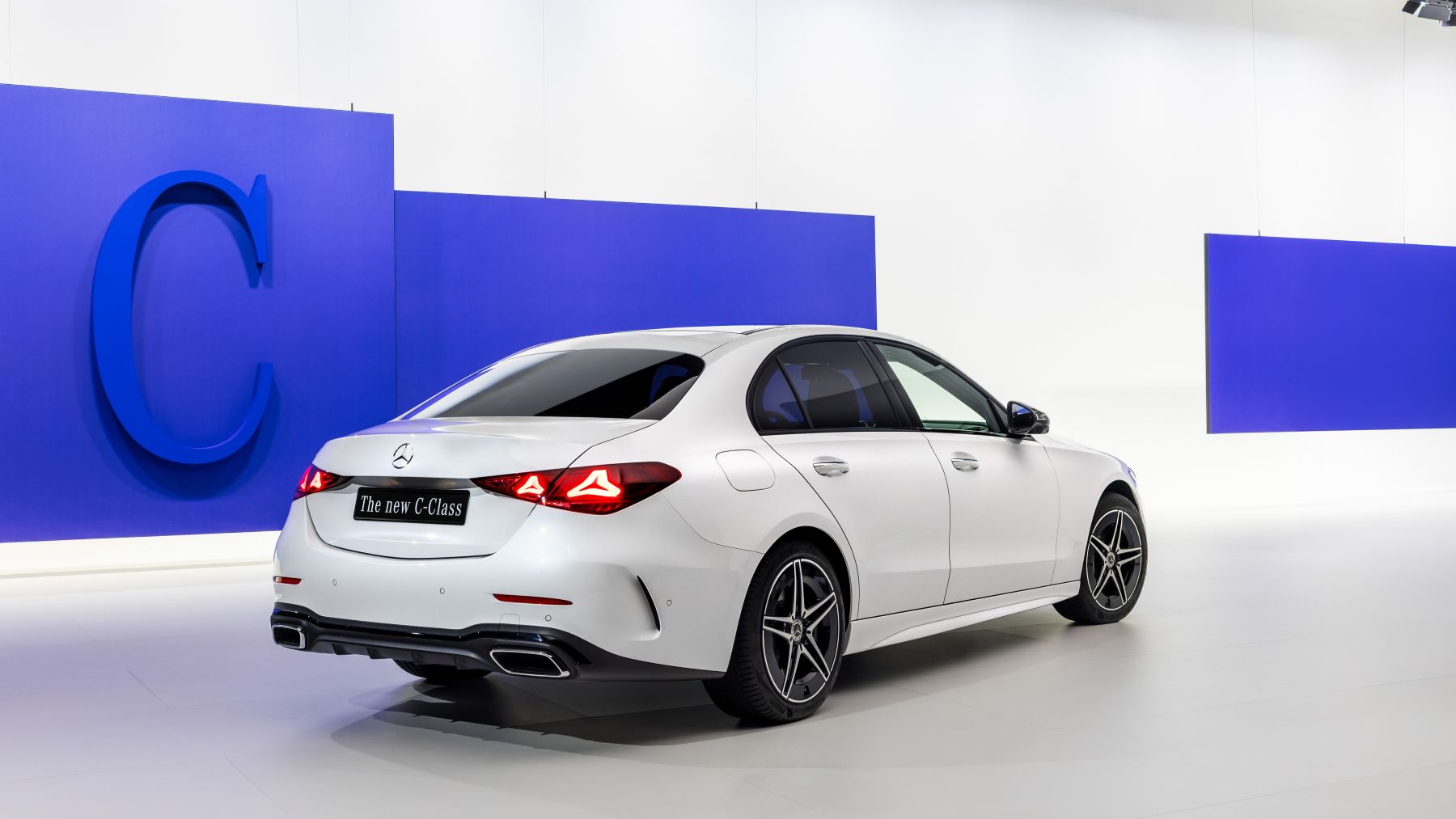 Image courtesy of Mercedes-Benz
Another example of driver assistance technology capabilities is called Reverse Maneuvering Function. When active, it helps to automatically reverse the vehicle under certain conditions. So instead of having to get out and judge proximity during tight turnarounds, the C-Class will utilize cameras and AI to assist.
Nonetheless, the exterior lines of the 2027 Mercedes-Benz C-Class are gorgeous, and there are a lot of things to like. Expect it to arrive at U.S. dealerships in the first half of 2027.