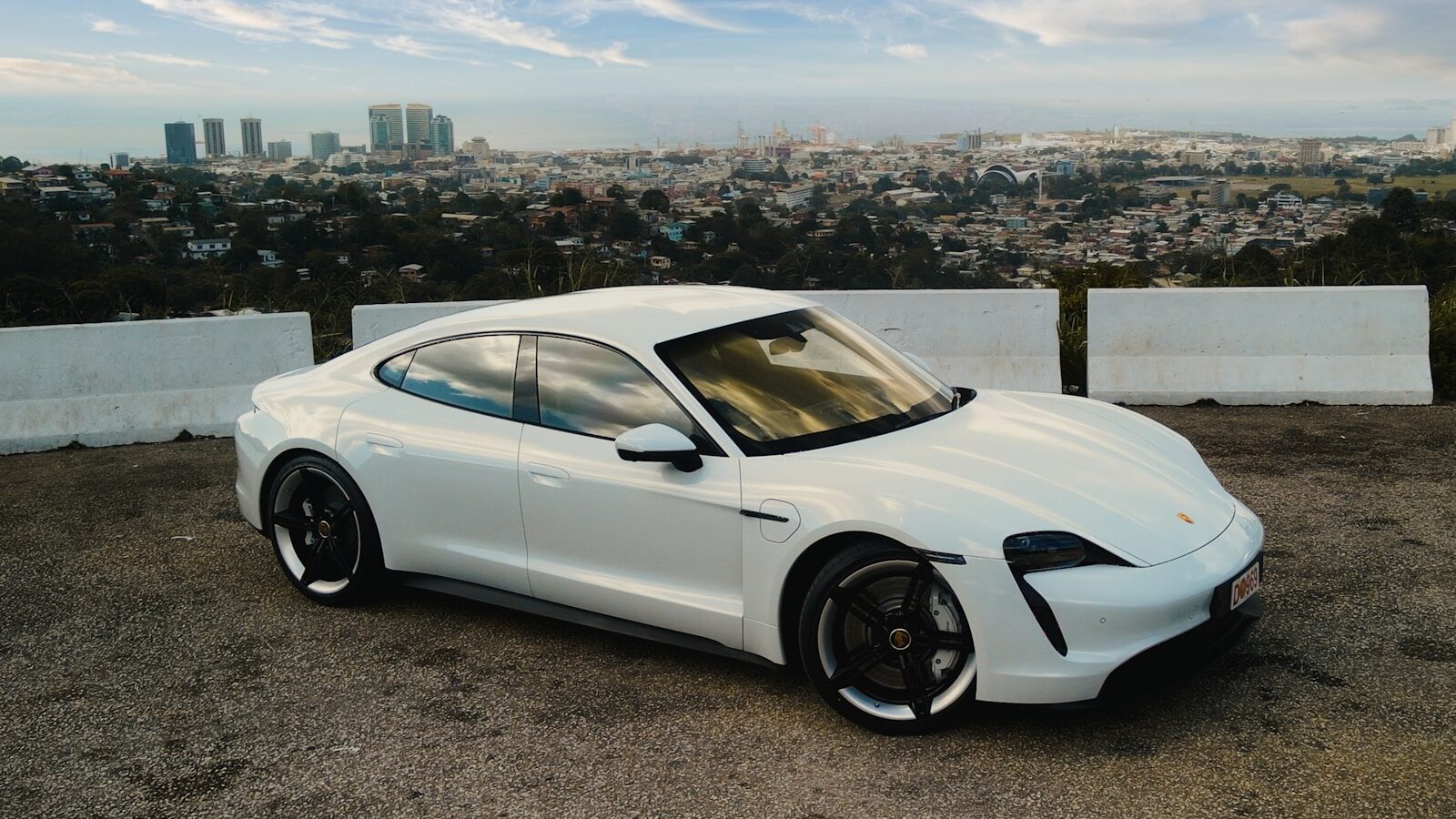
Reports suggested that Porsche could end production of its first electric car, the Taycan, by 2030 after the company suffered a significant loss of around €3.9 billion ($4.5 billion) in 2025. Now, though, the German automaker has clarified the report and has shed light on the EV’s future.
Motorbiscuit reported that Porsche could pull the plug on the Taycan amid the reversal of its EV strategy, as it shifted focus to producing more hybrid and gas-powered cars. The German brand had to recalibrate several processes in 2025 due to low demand for EVs, leading to a 92.7% drop in operating profit to $478 million.
Porsche suffered a major financial blow last year, with deliveries dropping by 10%, which caused revenue to fall by 12% to $37.2 billion. In China, Porsche lost 3 percentage points of market share as deliveries fell from 18% to 15%, with people preferring local car manufacturers.
The brand was hit hard in the United States, its largest market, following President Donald Trump’s 15% import tariffs. Since Porsche imports all its vehicles, the president’s decision significantly impacted business, increasing costs by up to $810 million in 2025.

However, Porsche reportedly has no plans to abandon EVs entirely. Instead, the company will continue selling electric vehicles in markets where demand and profitability justify the investment.
Now, though, CarBuzz reached out to Porsche about the news surrounding the Taycan, and a spokesperson has confirmed that plans to streamline the Taycan do not necessarily mean ending production of the vehicle. They said:
“For the Taycan, we will continue to reduce the number of variants in order to lower complexity.”
As to whether there are plans to discontinue the Taycan, the spokesperson said:
“We currently have no plans to discontinue the Taycan in the short term. We have invested significantly in the model and will continue to monitor how demand develops.”
However, what Porsche means by “short term” remains unclear. Reports suggested 2030 could be the year when Porsche ceases production of the Taycan. Could the spokesperson’s comments mean that the company would monitor demand and reduce the number of variants until 2030 before deciding whether to keep the model alive? That could be one way of looking at it, but no one knows for sure except Porsche.