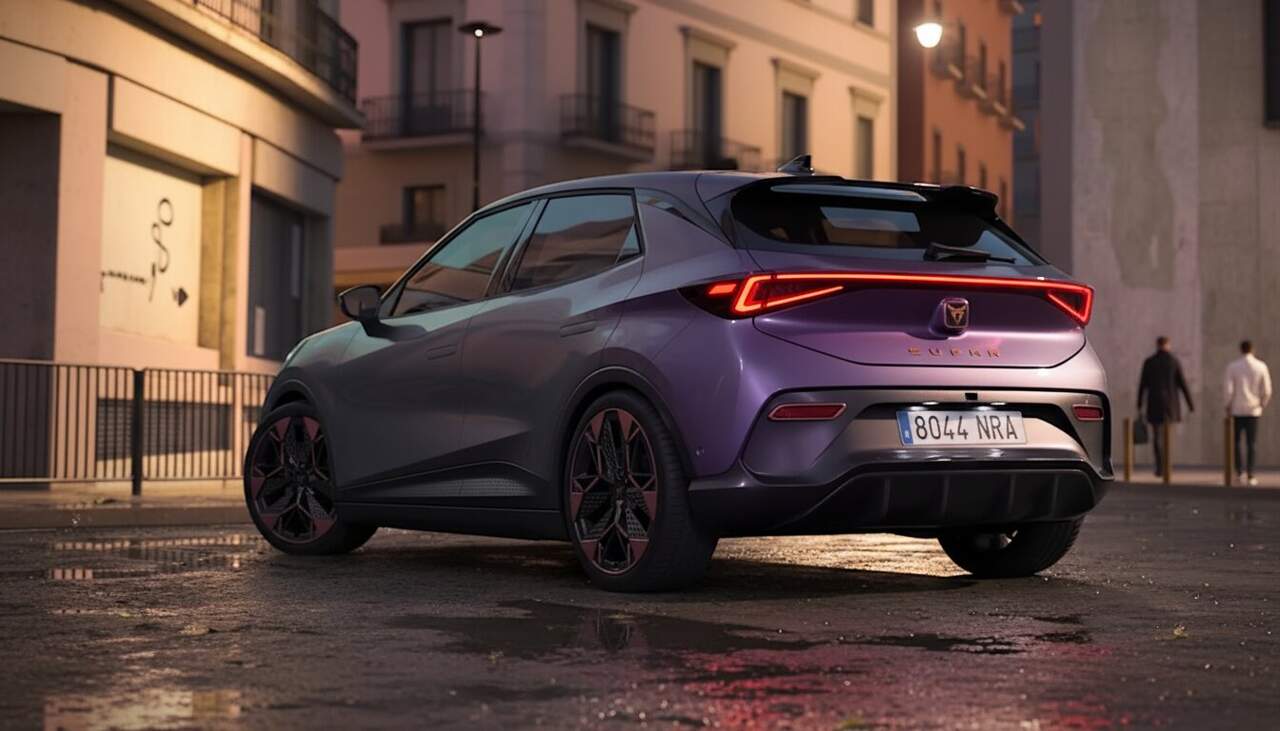
The factories in Martorell and Landaben will produce Volkswagen’s new small electric cars, which have already accumulated 100,000 pre-orders across Europe. This figure, confirmed by the brand’s director Thomas Schäfer, demonstrates that the market responds when price and segment are right, despite the financial turbulence faced by the German giant at its parent company.
The news arrives at a crucial moment for the national industry. These vehicles not only ensure workload in Catalonia and Navarra, but are also the raison d’être of the PowerCo gigafactory in Sagunt, which will be responsible for supplying the battery cells. The synergy between the three facilities is total: without the Valencian batteries there are no cars, and without the commercial success of the cars, the Sagunt plant would have a complicated future.
⚠️ Key figures of the project:
📦 Total pre-sales: 100,000 units
💰 Savings from joint production: 600 million euros
🔧 Shared parts: 80% among the 4 models
🏛️ Authority: Volkswagen Group / PowerCo
The key to success: four cars with the same DNA
Volkswagen’s secret to making this operation profitable is maximizing components. Although we will see four different logos on the street, the reality is that 80% of the parts are identical under the bodywork. This strategy has allowed the group to save nearly 600 million euros in development costs, a vital figure to compete with the Chinese brands that already flood the continent.
Which models make up this new electric family?
The range is composed of the Volkswagen ID.Polo, the Volkswagen ID.Cross, the Skoda Epiq, and the anticipated Cupra Raval. All of them will share the battery made in Sagunt, which guarantees that the Valencian facility maintains constant production and avoids the stoppages that have affected other battery plants in Europe. This is, in practice, an industrial life insurance for the automotive sector in Spain.
Why do Cupra and Skoda replace Seat in this plan?
Within the Martorell factory ecosystem, the Seat brand has been left out of this direct electric move. The group has decided to boost Cupra for customers seeking a more sharp and sporty design, while Skoda takes the entry-level segment thanks to more competitive prices. It is a purely strategic decision: in a world where software and battery costs are extremely high, there is no room for all brands in all segments.
A market no longer afraid of plugging in
The context has changed radically since the Sagunt gigafactory was announced. Today, the price gap between a combustion car and an electric one has drastically reduced. Furthermore, infrastructure has improved (albeit unevenly). The slow charging network in places like Mercadona and the increase in fast charging points have eliminated part of the range anxiety that hindered sales just a couple of years ago.
How does the arrival of Chinese competition affect this?
Volkswagen is not alone. Pressure from giants like BYD is real, and now Geely joins in, which could start manufacturing its E2 model at the Ford plant in Almussafes from 2028. This Chinese model directly competes with cars made in Martorell and Navarra. Therefore, having 100,000 pre-orders before starting is a necessary cushion to withstand the upcoming Asian onslaught.
Is it really the time to switch to electric?
With the price of diesel and gasoline often approaching two euros per liter, the cost of electric recharge — even at the most expensive stations — is becoming more than attractive. If we add to this the growing ease of installing charging points in private garages, the Cupra Raval or the ID.Polo cease to be a whim and become a logical urban mobility decision. The market has spoken, and it has done so with 100,000 orders on the table.
The reality is that Volkswagen’s bet to manufacture in Spain has been successful despite initial doubts. The success of these 100,000 pre-sales not only validates Thomas Schäfer’s strategy but also secures the future of thousands of workers in Martorell, Landaben, and Sagunt in the face of fierce global competition.
Frequently Asked Questions
Which electric models will be manufactured in Spain?
The Volkswagen ID.Polo, Volkswagen ID.Cross, Cupra Raval, and Skoda Epiq will be manufactured between the plants in Martorell (Catalonia) and Landaben (Navarra).
Where will the batteries for these new cars come from?
All models will use batteries produced at the PowerCo gigafactory, owned by Volkswagen, located in Sagunt (Valencia).
Why doesn’t Seat have a model in this new range?
The Volkswagen Group prioritized Cupra for sporty design and Skoda for affordable pricing, leaving Seat out of direct manufacturing of this specific electric platform.