Till now, robots have been associated with activities such as factory production or space travel. However, microrobots may now bring about a significant advance in medical science. According to The Washington Post, microrobots may become the agents of delivering medicine to specific locations in the body without causing the side effects that otherwise restrict their use.
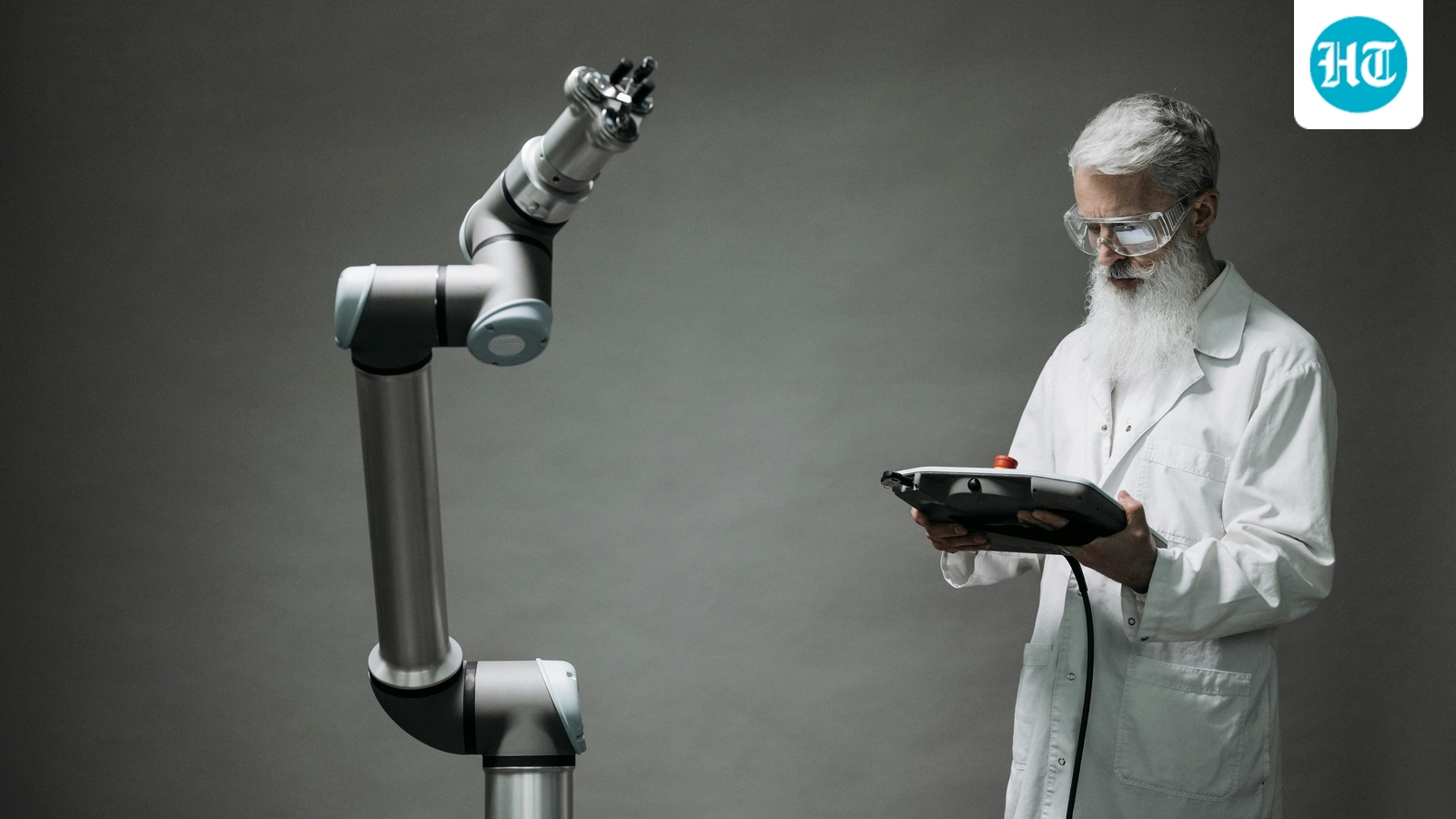
 Latest study suggests that microrobots can be useful to deliver medicine to specific areas of the body.(Pexel (Representative image))
Researchers in Switzerland have managed to create a robot that is the size of a grain of sand and is controlled by magnets. These robots might also be utilized in treating aneurysms, aggressive brain cancers and arteriovenous malformations, the latter being connections between veins and arteries which are harmful. These robots can be operated through magnets.
“We’re just at the tip of the iceberg,” Bradley J. Nelson, author of a paper in Science journal, said about the discovery. “I think surgeons are going to look at this. I’m sure they’re going to have a lot of ideas on how to use” the microrobot, Nelson added.
How does it work?
These robots will take the medicine to the specific location of the malaise, thereby preventing it from spreading throughout the body. This means that medicines that could not be used because they can cause unwanted effects on other parts of the body can now be given with a localized effect. This could open the way to the use of several hitherto unusable medications.
The microrobots are in the form of capsules and have already been tested on pigs and silicone models of human blood vessels. However, they are 3-5 years away from being tested on humans.
Also Read: Genetically Engineered Babies Are Banned. Tech Titans Trying to Make One Anyway.
Robots in surgery
While microrobots may be some years away from being used for medical treatment in humans, robots are already being used in surgeries in parts of the world.
According to the website of the University of California Davis Health, robotic-assisted surgery is already being performed in gastrointestinal, cardiothoracic, gynecologic oncology, otolaryngology (head and neck) and urologic operations.
The biggest advantage of robotic assistance in surgery is the precision of operations, managing to target only the affected area and not the organs surrounding the target of treatment.
Humans, even the most trained ones, may not be as accurate and prone to making mistakes when working with very small margins. But robotic elements ensure great accuracy and avoidance of excess pain, blood loss, infection and scarring.
So, robots in surgery are going to become a more common feature in the coming time. Now, the micro variety is also on its way to helping surgical procedures.