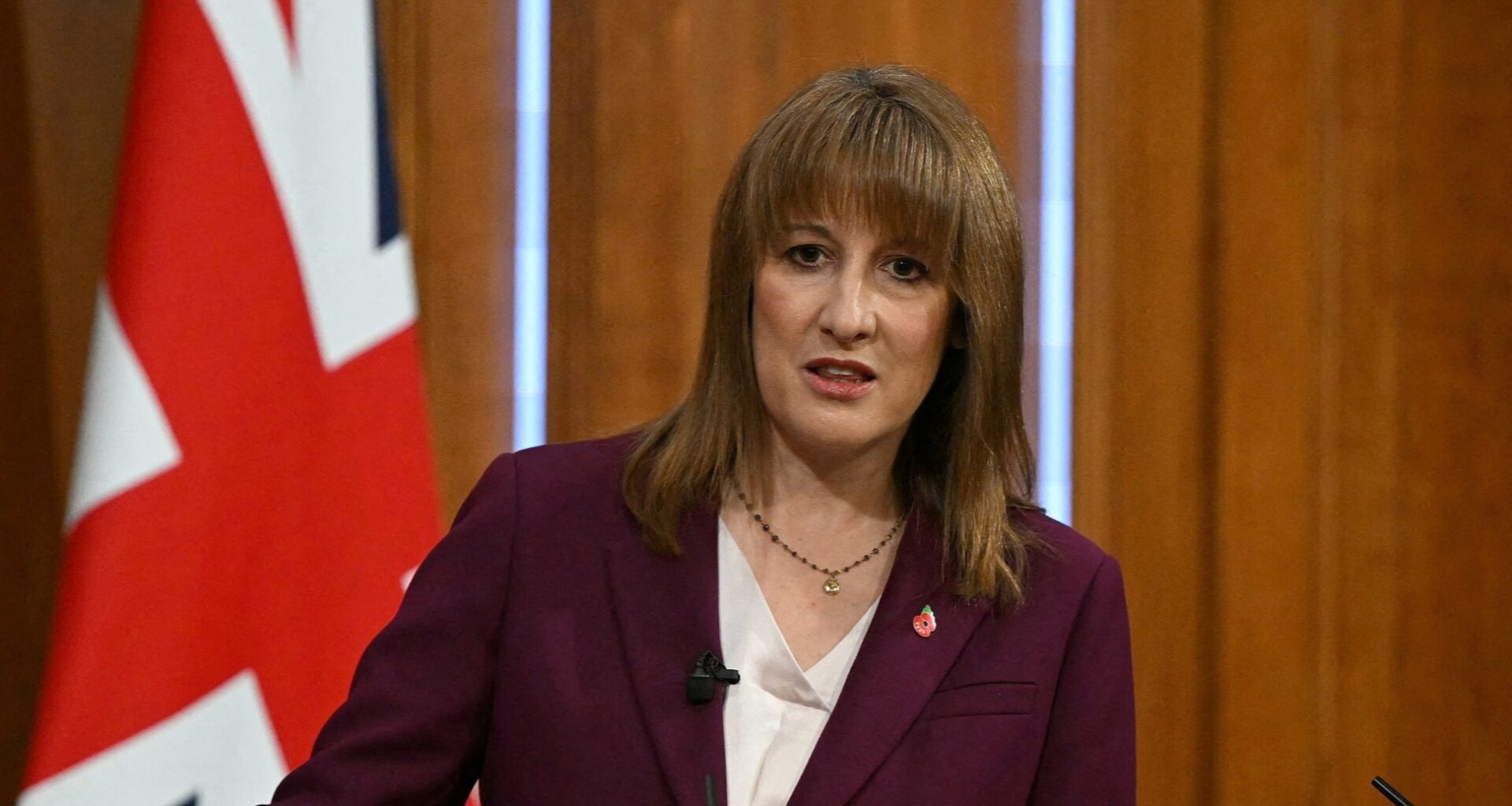
Rachel Reeves is expected to cut the annual cash Isa limit to £12,000 in Wednesday’s (November 26) Budget.
The Financial Times has reported that the chancellor has decided to reduce the allowance from the current level of £20,000.
FT Adviser’s sister publication said people close to Budget preparations have not opted for the £10,000 cap that had previously been considered.
Research from Investec said if the Isa allowance was halved it could take savers an extra 13 years to reach the half a million pound mark.
Almost 9 in 10 advisers worried tax-free lump sum will be reduced
The FT also reported that Reeves has now dropped unpopular plans for a ‘Brit Isa’ which would have had a minimum allocation of 20 per cent to UK equities.
Adam Craggs, partner and head of tax, investigations and financial crime, at law firm RPC, said the public are likely to respond to a cash Isa cut with “frustration, caution and political scepticism”.
He said: “Savers, particularly older, risk-averse households, may feel penalised, as cash Isas remain one of the few safe, tax-efficient products available to them.
“Many already indicate that they would not move into stocks-and-shares Isas.
“Instead, they may shift savings into ordinary accounts, even if that means paying more tax, or they may simply save less.”
While founder and CEO of Plum, Victor Trokoudes, said the changes would mean many are pushed into paying tax on their savings.
“We fundamentally believe in giving people choice over how they make their money work for them and empowering people to build their wealth,” he said.
“While investment in the markets does historically tend to deliver better returns over time, which is why we still support the government’s drive to encourage more investment, we believe the focus should have been on incentivising investment rather than penalising savers.
“Savers now need to make sure they use up as much as possible of their cash Isa allowance to avoid tax on interest.”
tara.o’connor@ft.com
What’s your view?
Have your say in the comments section below or email us: ftadviser.newsdesk@ft.com