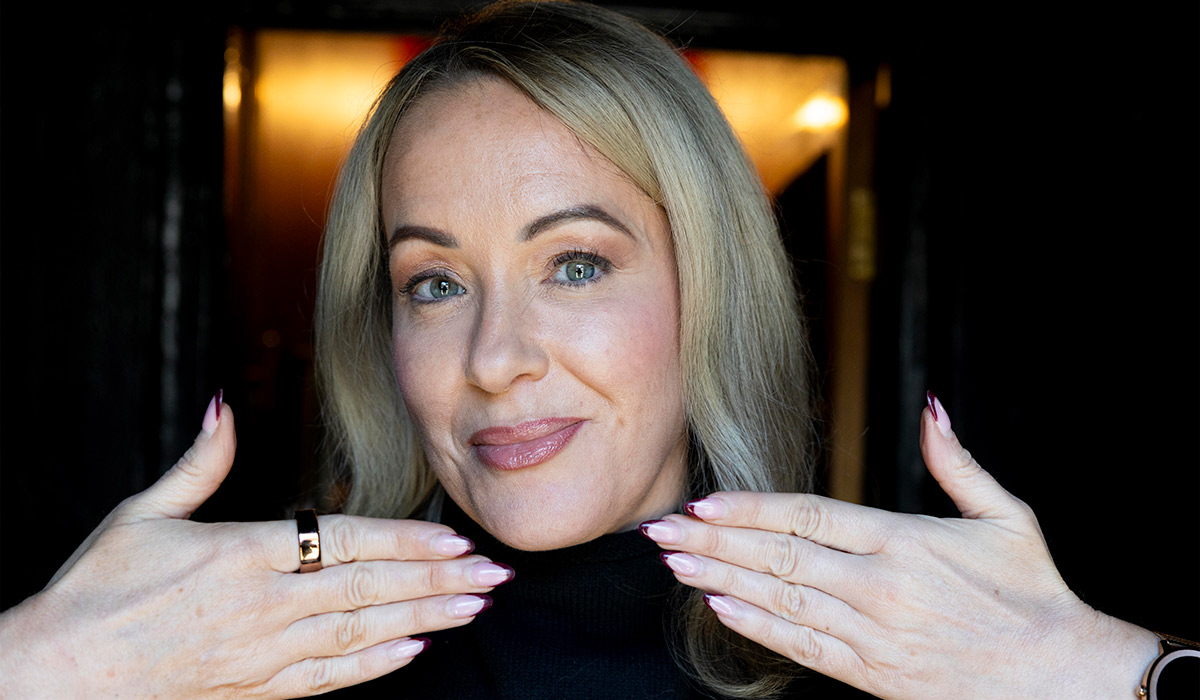
I’ve always been a bit of a health-tech nerd – show me anything shiny that promises to track and improve my health and some motivation to change bad habits and I’m all over them.
There’s also a deeper layer to the obsession: after the birth of my daughter in 2016, I developed postpartum cardiomyopathy, a rare form of heart failure.
I recovered physically, thanks to medication and rehabilitation, but if I’m honest, the psychological aftershock has lingered. So while I want to live as long and as healthily as I possibly can, but I also want a little reassurance that I’m doing all the right things to help myself.
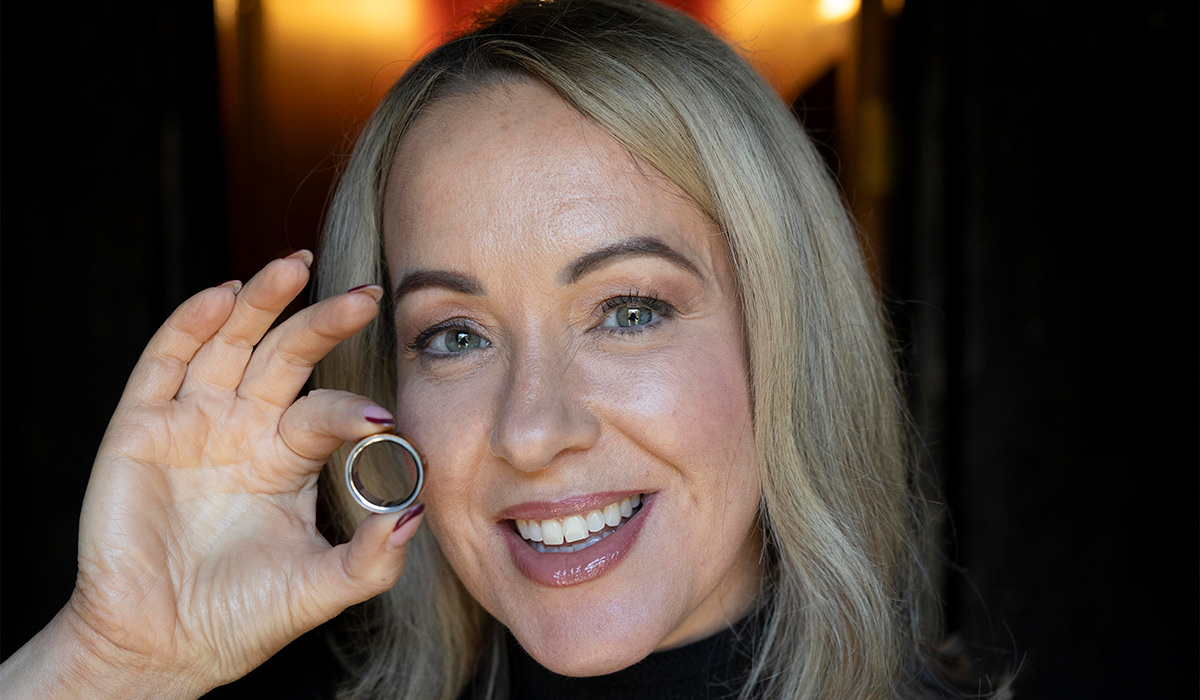 Lisa Brady with Oura Ring. Pic: Tom Honan
Recently, I got the chance to get plenty of insight into my daily health and lifestyle, thanks to the new Oura Ring 4, which I’ve been wearing for two months now. I had admired Oura from afar for years. The company was founded over a decade ago in Finland and has since grown into a global success story, with 2.5 million rings sold and celebrity fans that include Prince Harry and Jennifer Aniston.
Now, I’ve had health wearables before, and in general, they are not pretty. The Oura ring, by contrast, deeply appeals to my inner magpie – in lightweight titanium, it comes in several gorgeous finishes, and just looks like a piece of jewellery I’d actually want to wear.
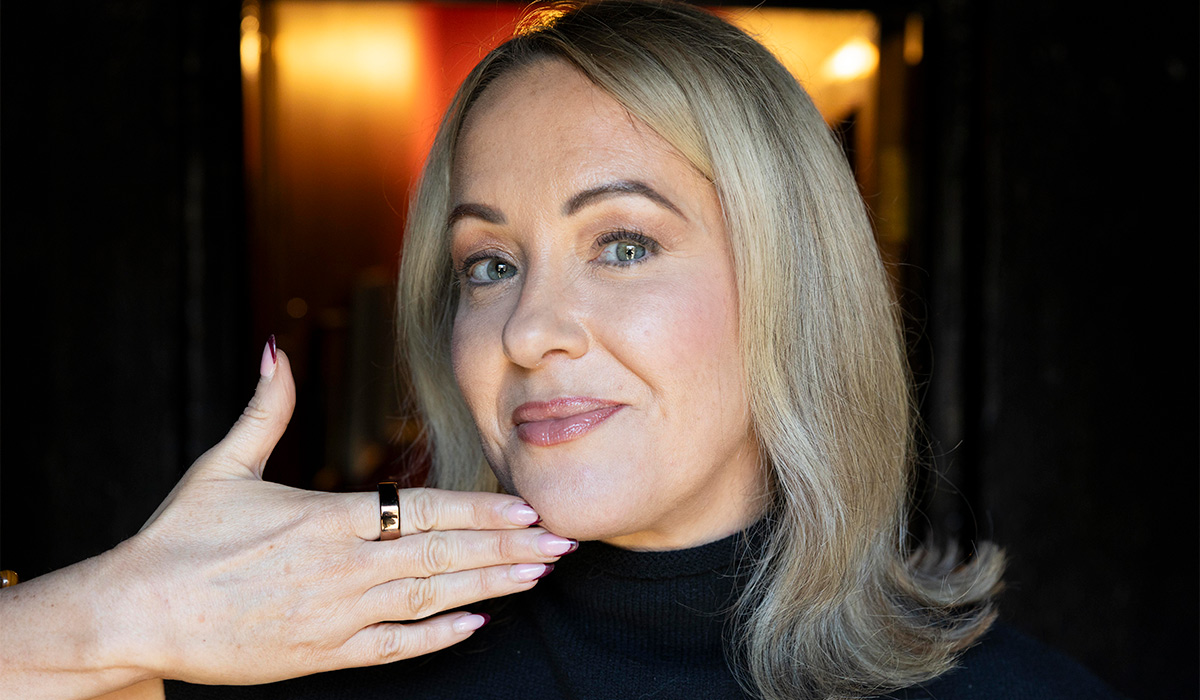 Lisa Brady with Oura Ring. Pic: Tom Honan
When my sizing kit arrived, I dutifully wore the sample ring for a full day and night before committing. I ended up with the copper finish because it complements my other jewellery and gives me the sense that I’ve upgraded my finger rather than transformed it into a diagnostic node. What’s not to love?
The Oura is a ring isn’t just aesthetic, by the way; there’s a scientific reason, as Oura’s Chief Commercial Officer, Offaly native Dorothy Kilroy, who now resides in America’s Silicon Valley, informed me.
‘You get the strongest signal from the artery here, and that’s the foundation for genuinely accurate health data,’ she says. ‘Our belief is that wearables are going to be used in more and more clinical settings for diagnostics, for remote patient monitoring.
‘It’s a case of knowing your numbers and being the CEO of your own health. You’re the best person to know what’s going on in your body and the earlier you can detect and identify patterns or changes, it can literally change your life.’
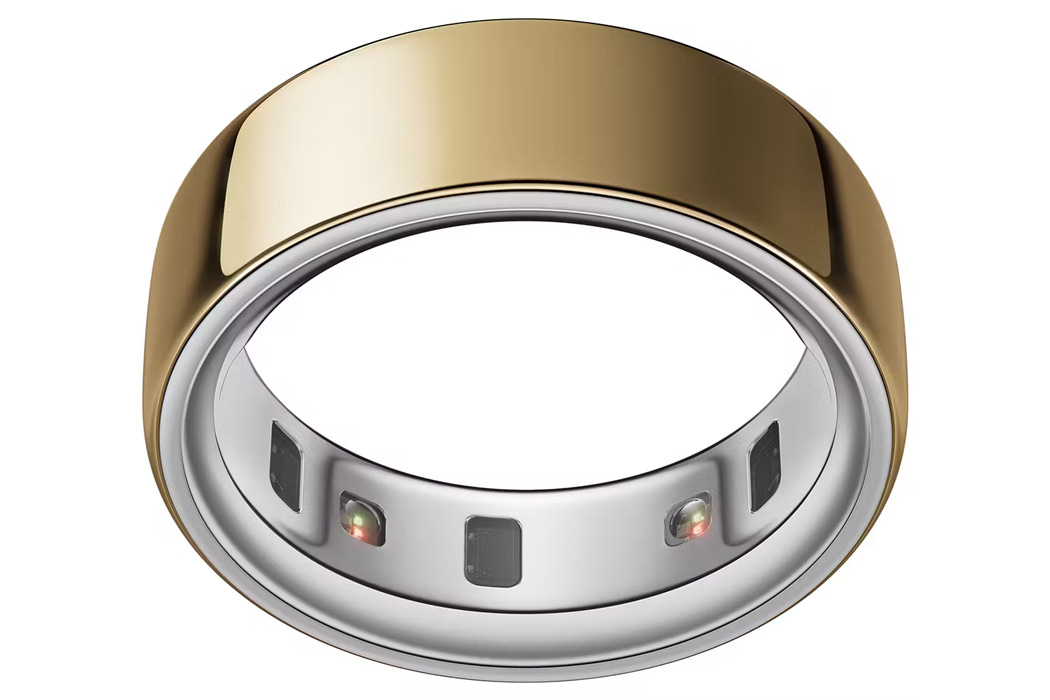 Oura Ring in gold. Pic: ouraring.com
As such, with the fourth-generation ring, the company has introduced its new ‘Smart Sensing’ platform, which adapts to each wearer’s unique physiology, (i.e. skin tone, BMI, and age). It tracks heart rate, heart rate variability (HRV), body temperature, sleep stages, activity levels, and breathing patterns, and then transforms all that into a daily Readiness Score, Sleep Score, and Activity Score.
It also includes period prediction and cycle tracking, stress insights, and AI-supported coaching through the Oura Advisor. None of this is radically new in the world of wearables, but Oura’s execution feels unusually cohesive.
The app is clean and easy to navigate, and the €6 monthly membership is pretty reasonable in today’s hugely competitive health app market.
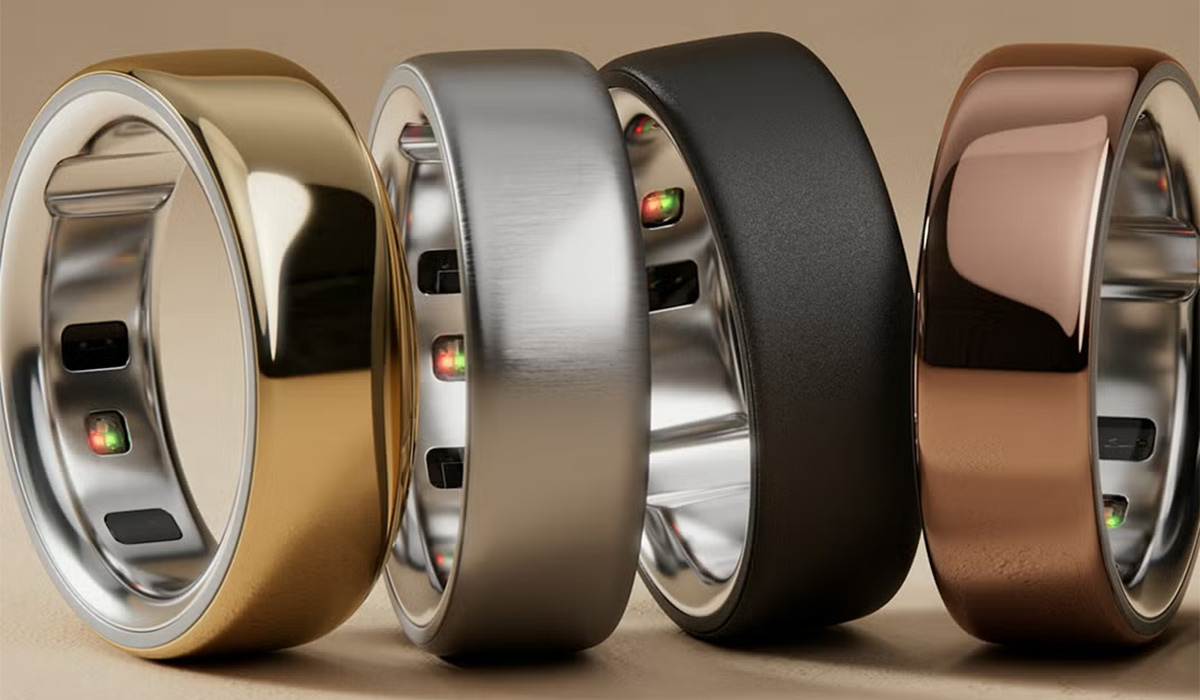 Oura Ring selection. Pic: ouraring.com
Like many 46-year-old busy women, rest does not always come easy for me, so the Sleep Score was where I first fixated.
Oura takes about a month to fully calibrate to your patterns, and after that it declared my chronotype as an ‘early evening type’, meaning I can handle a late night now and then but fundamentally do best with an earlier bedtime, and also, very early mornings are not my thing (backed by science).
Unfortunately, my real-world behaviour skews closer to doom-scrolling goblin with hormonal fluctuations, and Oura was swift to highlight this mismatch. I’ve been averaging around six and a half hours of sleep, with the app gently reminding me how much better I feel when I get seven to eight.
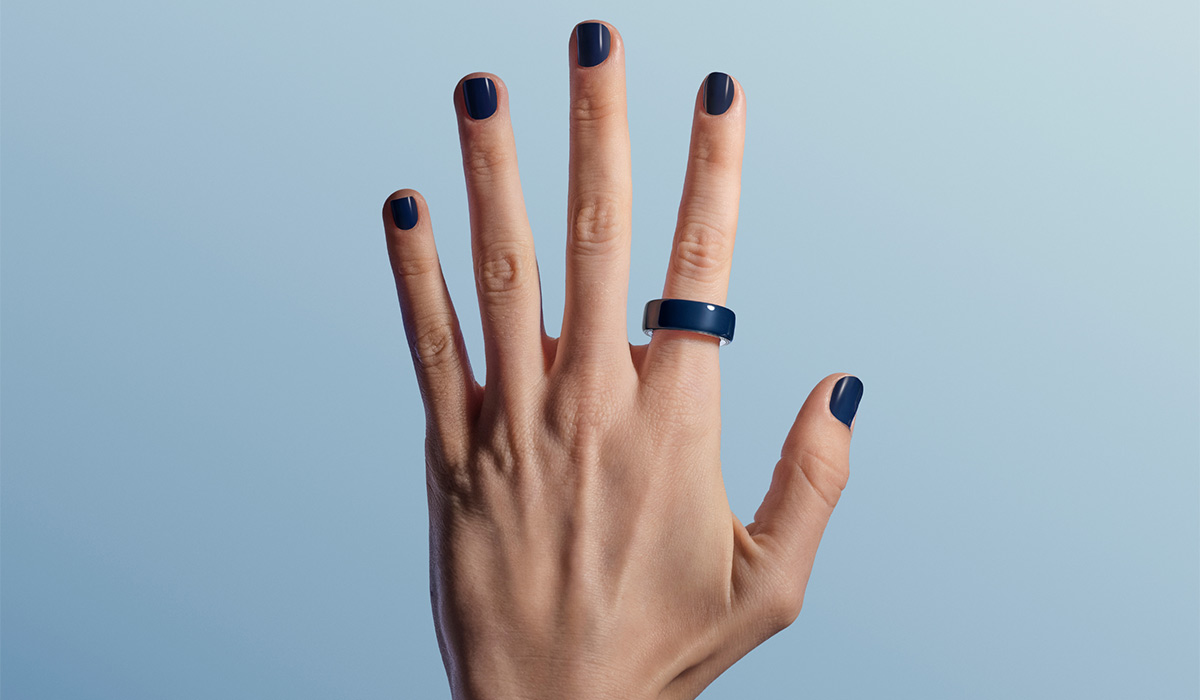 Oura Ring in blue. Pic: ouraring.com
I was also fascinated with Oura’s stress tracking capability, which categorises time spent in engaged, alert, and restorative states, and I started noticing clear patterns- like how the week before my period was consistently more tense, or how weekends naturally moved me into the restorative zone.
When the app announced one morning that my stress management was currently ‘thriving’, I felt more than a little proud! With all the plates I’m continually spinning in life, I’m doing something that’s working. Finally, those daily walks, regular exercise and choosing to not drink alcohol are paying off.
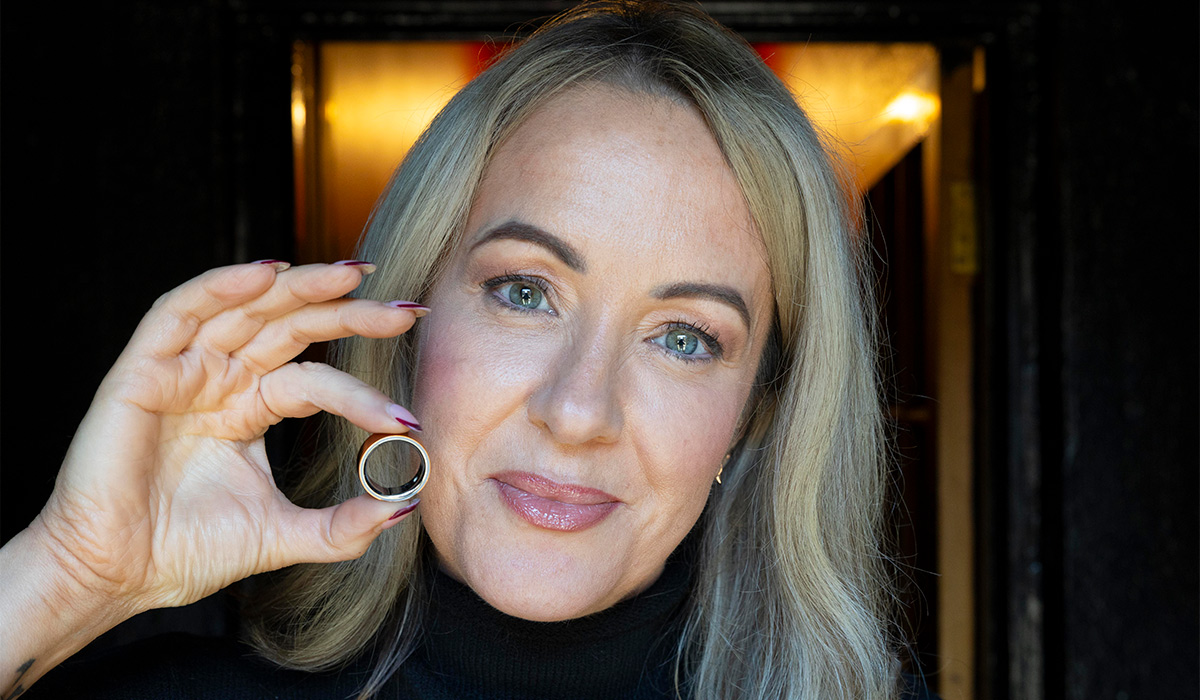 Lisa Brady with Oura Ring. Pic: Tom Honan
Cardiovascular insights are especially meaningful for me, given my medical history. I pay close attention to resting heart rate and HRV and I was particularly intrigued by Oura’s cardiovascular age feature. A few months ago, my cardiovascular age was showing as 2.5 years younger than my actual age.
Recently it nudged to 1.5 years younger, a shift I attribute to being ambushed by a brutal, flulike virus that left me exhausted, feverish and incapable of exercise for two weeks.
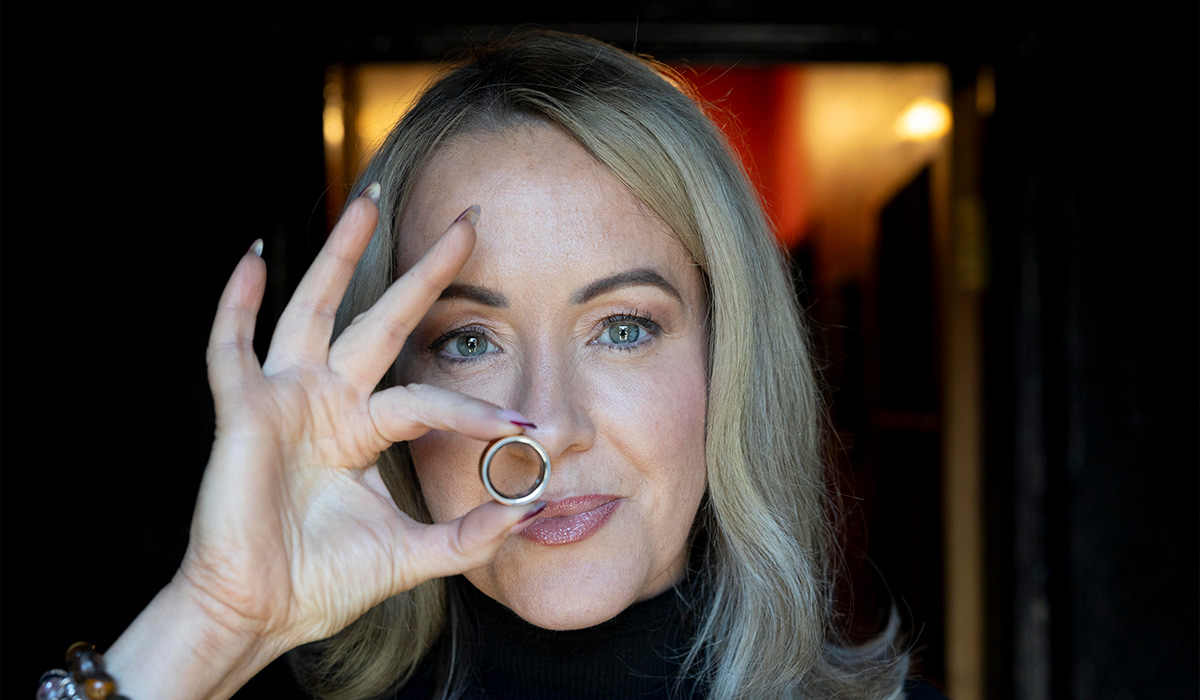 Lisa Brady with Oura Ring. Pic: Tom Honan
What impressed me wasn’t the decline, viruses happen, but how early Oura flagged it. The Symptom Radar detected physiological strain about two days before I started to cough, warning me that my body was showing major symptoms of strain, and was ‘working through something’. When the fever hit, this data made sense. There’s even a ‘snooze’ mode that pauses performance scoring while you’re unwell, which is exactly the sort of compassion a wearable should have I feel we are hard enough on ourselves.
‘I think it’s about being compassionate the Oura supports that,’ says Dorothy of the wearable’s more empathetic prompts.
‘You know, if you’ve had a shocking night’s sleep, you probably need to be a bit kinder to yourself and the app will advise a walk instead of a run, because that’s what your body needs. It’s about honouring where you are and by giving you the information, motivating you to make changes but only when you’re physically in a position to.
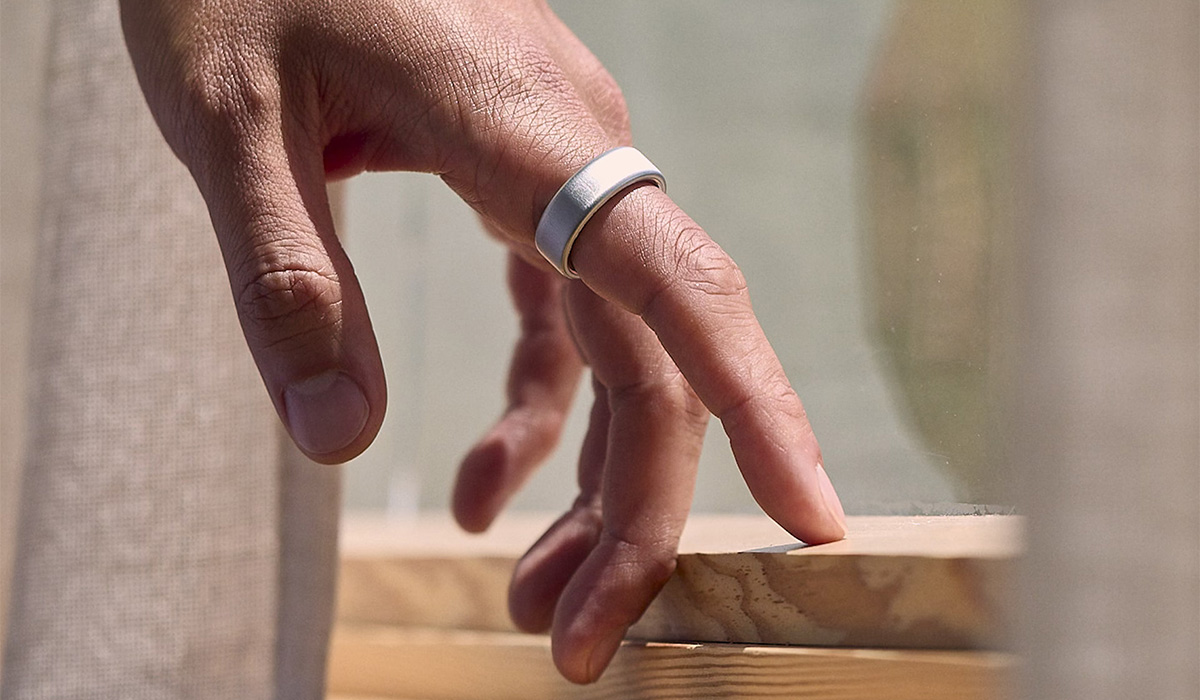 Oura Ring in silver. Pic: ouraring.com
‘There’s such a high degree of accuracy with Oura in symptom detection that there have been users who were alerted to vitalstat changes, went for check-ups and were diagnosed with major disease such as cancer,’ continues Dorothy, who also spoke about a broader vision for health care.
‘We don’t believe AI will replace doctors or any health professionals,’ she said. ‘The way we think about it is that it’s going to make them smarter, and empower people to be more informed and make actionable changes about their healthspan.’
She believes health care truly starts at home not in hospitals, which she describes as the place that sick care starts. Her argument is persuasive: early detection and daily accountability are far more powerful than relying solely on annual check-ups or waiting for symptoms to escalate.
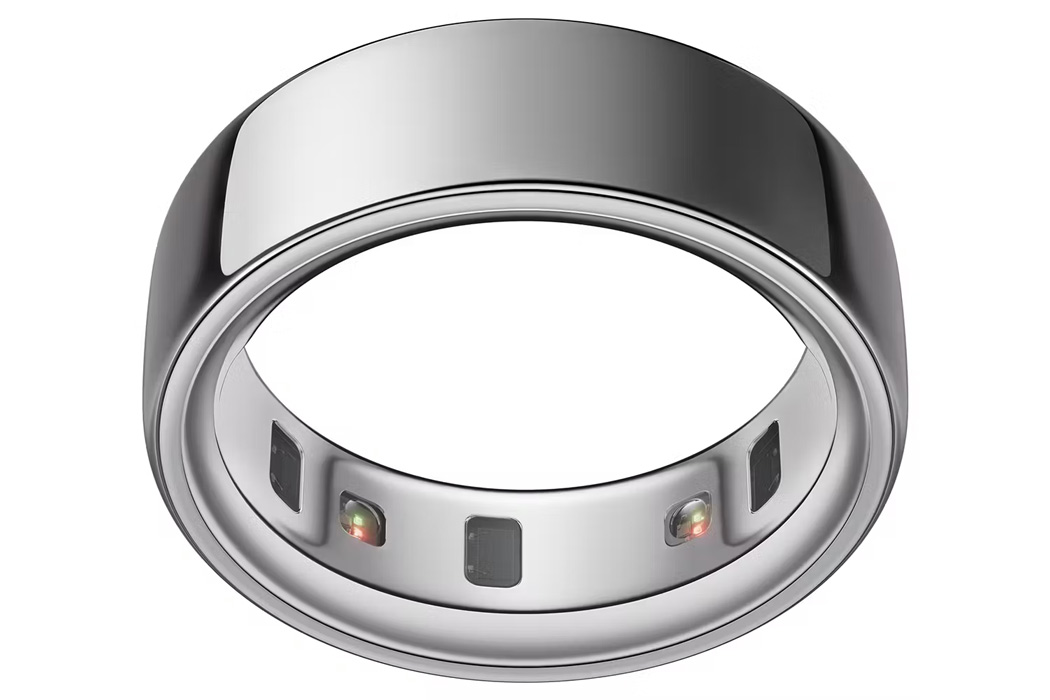 Oura Ring in silver. Pic: ouraring.com
And she’s noticed another interesting trend in her work too. ‘Irish people are obsessed with health,’ she says (I concur). And in the months I’ve spent with the ring, the biggest shift hasn’t been in any single metric but in my behaviour.
‘When my readiness score is low, I actually pay attention to it. I take the walk instead of forcing a run or a spin class, or I carve out five minutes for deep breathing if I’m in the stressed zone because the app nudges me to. When the data shows improvement better HRV, steadier sleep, calmer stress responses I can track the difference and more importantly, feel it.
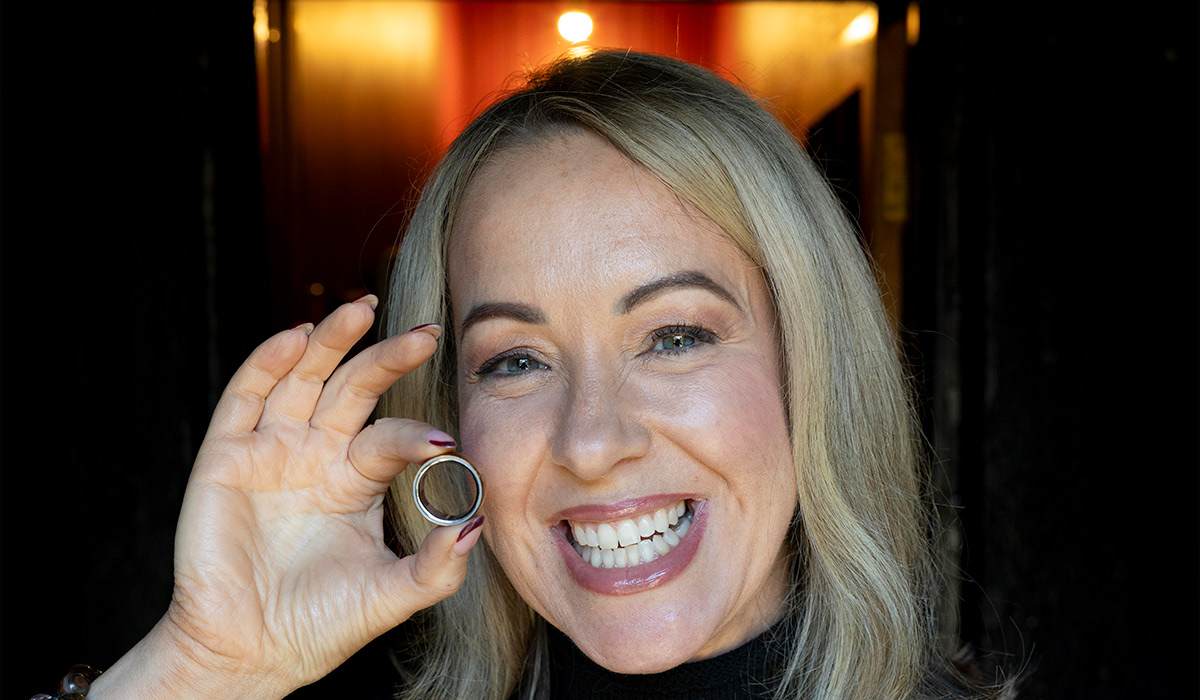 Lisa Brady Feature with Oura Ring. Pic: Tom Honan
The ring has also helped me make sense of things I always suspected but couldn’t quantify, like why early-morning gym sessions destroy me for the rest of the day. And even though I occasionally sabotage myself by taking the ring off at night with my other jewellery, I genuinely enjoy wearing it, which is more than I can say for any previous tracker I’ve owned.
This is one health habit I won’t be breaking any time soon.
Oura Ring 4 is now available in Ceramic in four colours Midnight, Petal, Cloud, and Tide, priced €549, available at ouraring.com and online and in-store at Harvey Norman outlets nationwide.