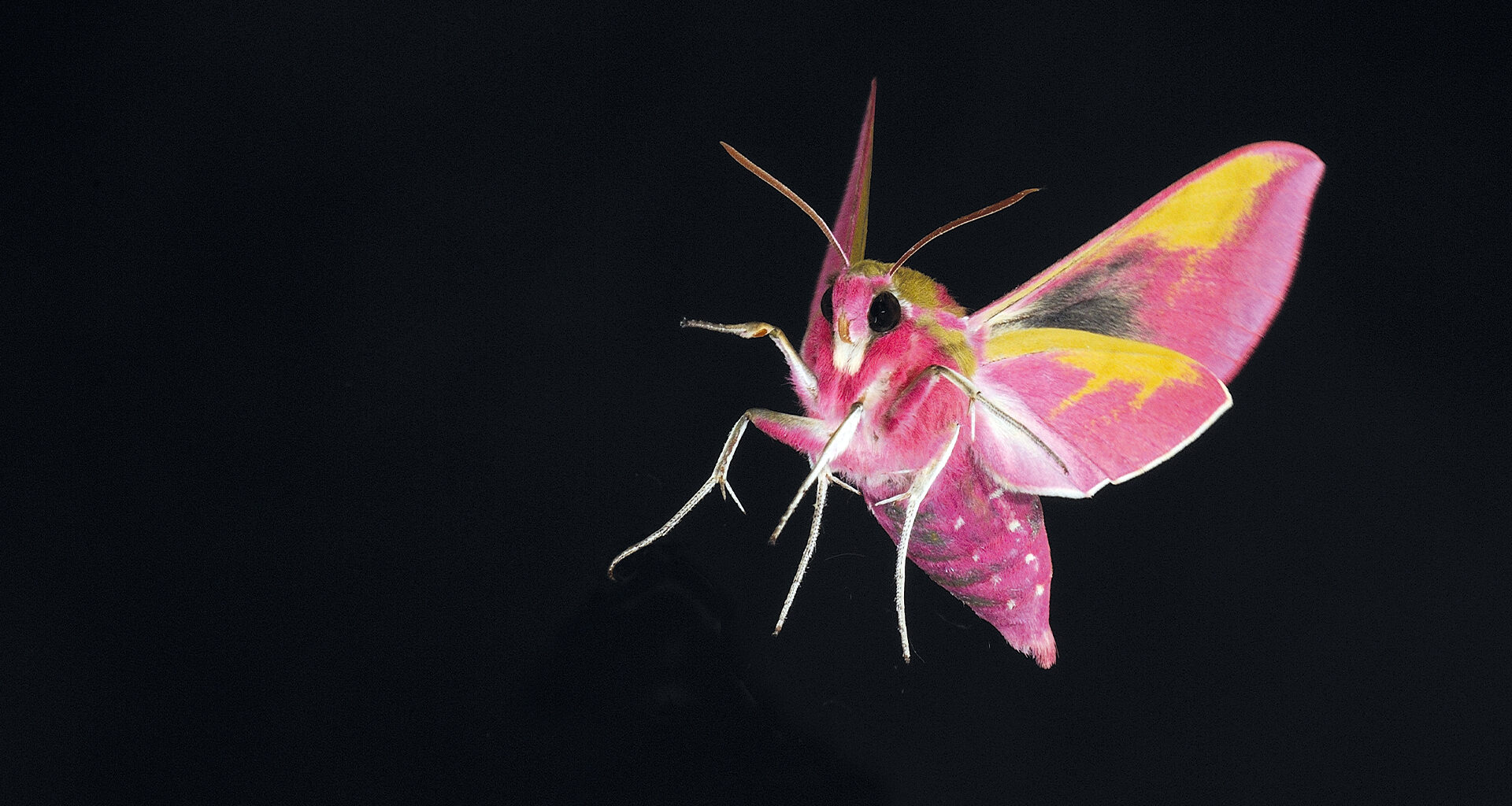
They are also known as “moss piglets”. In recent years, scientists are discovering how these comical animals survive extremes that would kill a human in seconds, learning more about how their unique biochemistry could lead to new methods of preserving food, vaccines and stem cells.
Read more:
Science can be full of jargon and inaccessible to the general public. But Super Natural, I hope, provides an easy way in. I have always read a lot of fiction alongside non-fiction, and my science writing is always led by a good story; the key is finding an accessible guide to an otherwise indigestible topic.
These can be animals, such as naked mole-rats that introduce us to the science of life without oxygen. Or it can be a particularly interesting person: Edmund Jaeger, for example, hiked up a mountain in the cold winter of 1946 and discovered a bird nestled into a boulder of granite. This was the first time scientists discovered that not all birds migrate. The common poorwill, a common part of the nighttime soundscape in North America, hibernates.
Each chapter of the book is dedicated to a particular environmental condition that is in excess or absence: Water, Oxygen, Food, Cold, Pressure, Heat and Radiation. The latter is where we meet the horses, an exciting study subject that is being used to understand how radiation at the Chernobyl Exclusion Zone might actually be beneficial to life around the exploded nuclear power plant.
Fungi grow on the exploded reactor, for example, but do Przewalski’s horses benefit from the mutations that radioactivity provides? Does a species hunted to near extinction in the 20th century gain some genetic diversity from the constant radiation this ecosystem provides?

At the same time as awe and wonder, I explore our own actions on this planet, how we are shaping new extremes that are pushing species beyond their limits. But, as I write in the epilogue, huge shifts in climate – and the mass extinctions that followed – have happened before on Earth, once caused by the evolution of trees on land and also by cataclysmic volcanic activity and asteroid impacts.
But the difference this time around is that the cause of climate turmoil is aware of its actions, and it can change. Like otherwise ordinary soil fungi that now grow on Chernobyl’s reactor four, we are innovators, a species that can harness new forms of energy when opportunities arise. Whether its solar power or nuclear fusion, carbon capture or bioplastics, a sustainable future beckons.
And even if it doesn’t, even if we are the cause of another mass extinction event, life will still endure. As I write in Super Natural, “once life has emerged on a planet it is very hard to kill.”
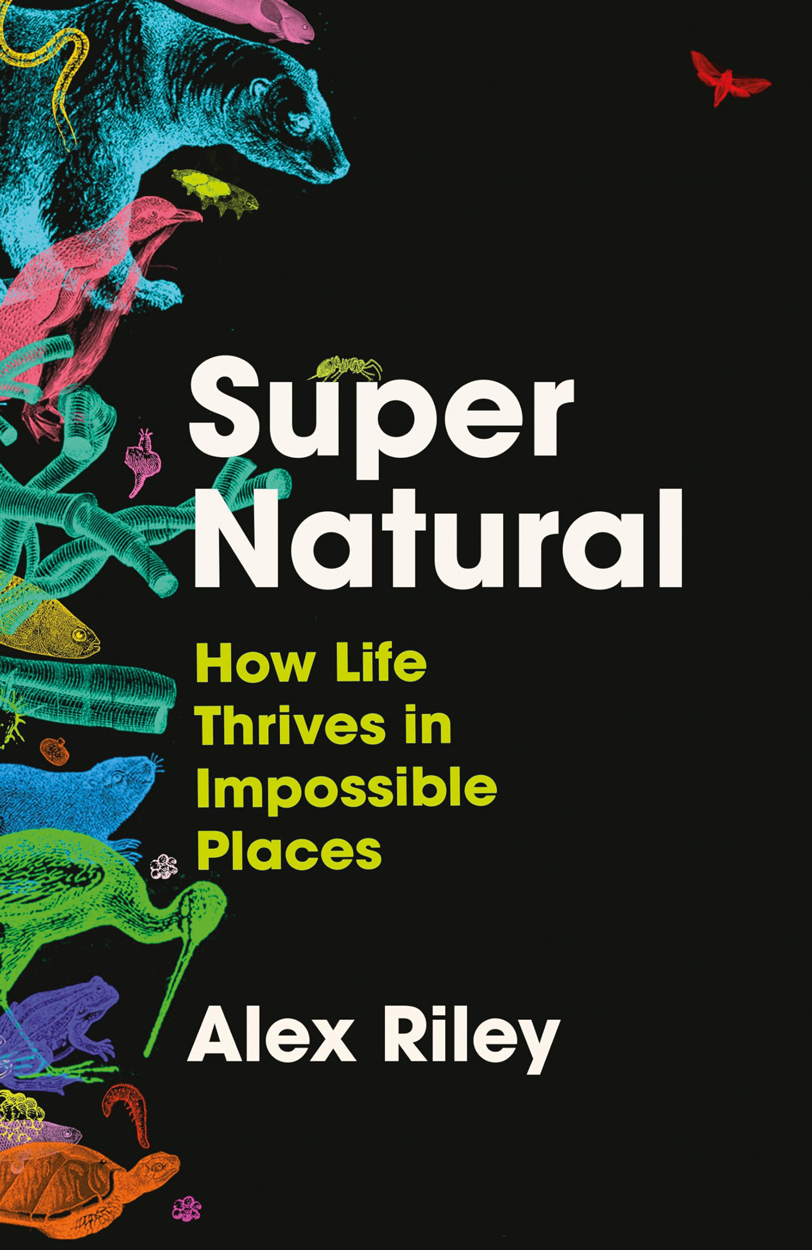
Super Natural: How Life Thrives in Impossible Places by Alex Riley is out now (Atlantic, £22).
You can buy it from the Big Issue shop on bookshop.org, which helps to support Big Issue and independent bookshops.
Do you have a story to tell or opinions to share about this? Get in touch and tell us more.
Change a vendor’s life this Christmas.
Buy from your local Big Issue vendor every week – or support online with a vendor support kit or a subscription – and help people work their way out of poverty with dignity.