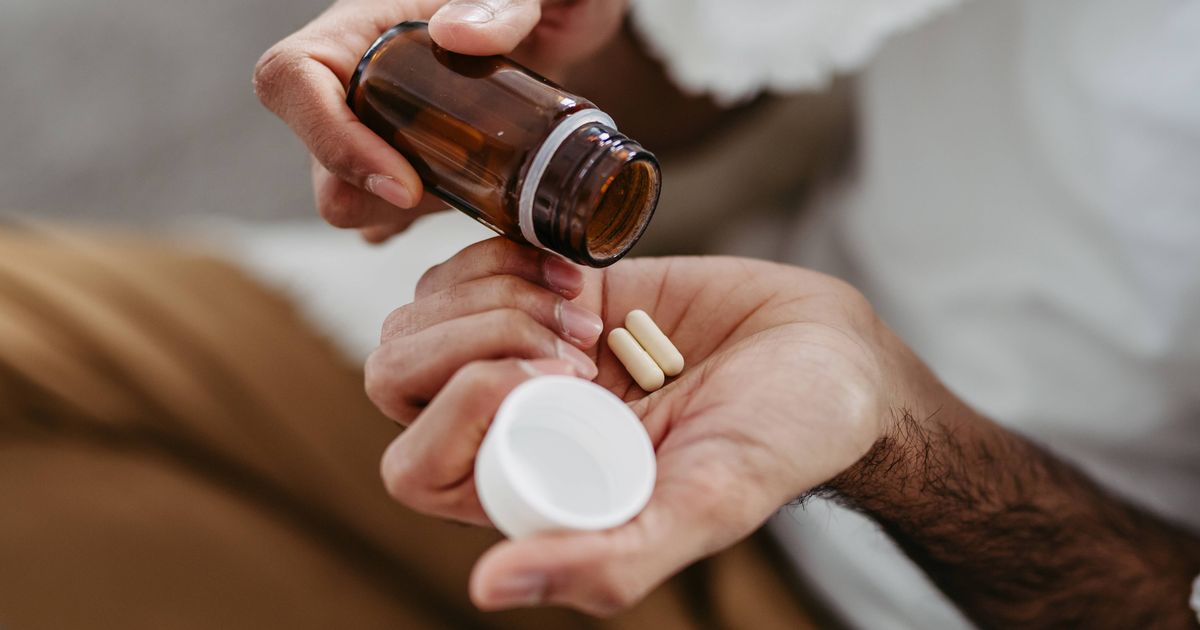
A pharmacist has shared that taking a simple pill is recommended during December and the winter months. It can boost your immune system and help prevent colds and flu
Katie-Ann Gupwell Content Editor
09:37, 29 Nov 2025Updated 09:45, 29 Nov 2025
 The simple pill could make a difference (stock image)(Image: Halfpoint Images via Getty Images)
While the festive season is a time of joy for many, falling ill is certainly not on anyone’s wish list; however, a simple pill could be the key to warding off winter colds and flu. With Christmas just around the corner, no one wants to be under the weather, but there are steps you can take to safeguard your health and minimise the risk of getting sick.
One particular pill has been hailed as a winter “must have” in the fight against viruses. Keeping a well-stocked medicine cabinet allows you to address symptoms promptly, without having to scramble for supplies when you’re already feeling poorly. Moreover, taking one specific supplement daily throughout December could prove beneficial.
This supplement can help bolster your immune system, something we could all do with during the chilly winter months. Even better, it could help you to ward off illnesses like flu.
“Preparation really is half the battle,” advises Pharmacist Frederick Apenteng from Roseway Labs. “Once you’re unwell, you don’t want to be searching for paracetamol or trying to find a thermometer. That’s when people end up feeling worse.”
The expert recommends starting by stocking up on essentials in case you fall ill. Paracetamol or ibuprofen for pain, fever and muscle aches should be at the top of your list.
Consider adding throat lozenges or sprays for sore throats, and keep two types of cough syrup on hand: an expectorant for chesty coughs and a suppressant for dry, tickly ones.
However, if you’re keen to get a head start, supplements can bolster immunity, even though he conceded “they’re not magic bullets.” Vitamin D is the top choice, especially as sunlight exposure dwindles in winter.
“Most adults should consider a daily 10µg supplement,” he explained, in line with advice from The British Nutrition Foundation. Zinc may help shorten colds if taken early, while probiotics are a good addition for gut and immune health. After all, much of the body’s immune system sits in the gut.
He also noted that a balanced diet is the foundation of good immunity. “People often get run down because of nutrient gaps,” he said. “Iron, B-vitamins and vitamin C all play vital roles in keeping your immune defences strong.” Foods rich in these nutrients, like leafy greens, citrus and whole grains, can make a real difference.
“The real immunity boosters are sleep, good nutrition and hydration,” added Frederick. “Supplements work best alongside a healthy lifestyle.”
Why should you take vitamin D?
You might be surprised to learn that vitamin D is a vital nutrient that aids in maintaining healthy bones, teeth and muscles by facilitating the absorption of calcium and phosphorus. Besides being produced by the skin upon exposure to sunlight, it can also be sourced from specific foods, including oily fish and fortified products or supplements.
A deficiency in vitamin D can lead to bone issues like rickets in children and osteomalacia in adults. Moreover, it can also affect immune function.
The NHS website advises: “Government advice is that everyone should consider taking a daily vitamin D supplement during the autumn and winter. People at high risk of not getting enough vitamin D, all children aged one to four and all babies (unless they’re having more than 500ml of infant formula a day) should take a daily supplement throughout the year.
“There have been some reports about vitamin D reducing the risk of coronavirus (COVID-19), but there is currently not enough evidence to support taking vitamin D solely to prevent or treat COVID-19.
“During the autumn and winter, you need to get vitamin D from your diet because the sun is not strong enough for the body to make vitamin D. But, since it’s difficult for people to get enough vitamin D from food alone, everyone (including pregnant and breastfeeding women) should consider taking a daily supplement containing 10 micrograms of vitamin D during the autumn and winter.
“Between late March or early April to the end of September, most people can make all the vitamin D they need through sunlight on their skin and from a balanced diet. You may choose not to take a vitamin D supplement during these months.”
For more information about vitamin D, visit the NHS website. If you’re unsure about taking a supplement, it’s best to consult with your GP before making any changes.