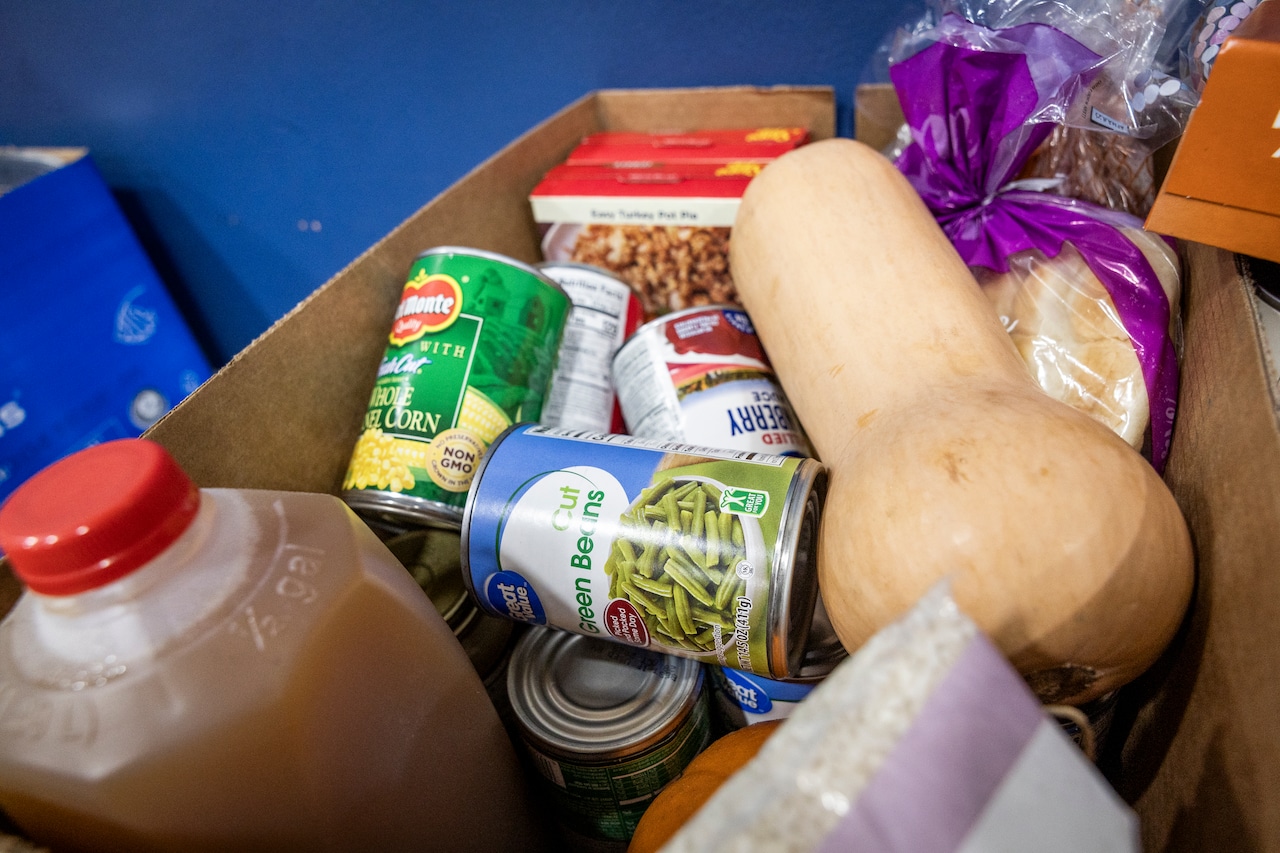
You’ve survived the cooking, cleaning and gathering—pat yourself on the back for a job well done. You’ve earned it. While you’re recovering and reclining in your chair however, know that your body is just beginning to get to work. Thanksgiving may be two days ago, but your body is adjusting to an overload of calories today … and there are still leftovers in the fridge.
Although the central theme of Thanksgiving is gratitude, it really is the one holiday that is all about the food. In addition to the main meal with appetizers and desserts, many families have traditions of a special breakfast and another small meal or leftovers in the evening.
Not to take away from the joy of gathering with family, sharing a delicious meal and time away from work, if you had time off, did you ever wonder how many calories you actually ate?
tarting with a simple appetizer of cheese and crackers, chips and onion dip — there’s about 500 calories. Glass of wine at 125. Then the turkey, 4 ounces at 200 calories, stuffing, 195 calories, mashed potatoes, 200, gravy, 50, cranberry sauce, 100, roll, 80, green bean casserole, 130, and a sweet potato dish, 200. Finishing up with 500 calories in a piece of pie with whipped cream. Conservatively, assuming appropriate portions and one helping, you are looking at 2,280 calories. Add in another 1,000 for breakfast and light dinner. and that’s 3,280 calories.
I believe I have underestimated. While researching this, most articles estimated the average American consumes over 4,500 calories on Thanksgiving Day. Too much sodium, sugar and saturated fats adds to the damage.
Calories are a measure of energy from the food we eat. These calories provide energy. If we eat more calories than our body needs, that extra energy is stored as fat. To burn off about 2,000 calories, one would have to walk 40-50,000 steps (23.7 miles) taking 3.5 to 9.5 hours.
Looking at Thanksgiving dinner with a glass half full perspective — turkey is full of protein and low fat compared to other meats, sweet potatoes are good for you and actually help keep blood sugar in a reasonable range, pumpkin pie is full of vitamins, apples are good for you, green beans without the casserole are healthier. And of course if we decrease the amount of butter, gravy and other less healthy options you can decrease the caloric intake considerably.
Feeling sluggish and paralyzed on the couch? The couch is not a good solution to overeating. Go for a walk, exercise but not too intensely, drink lemon water with a dash of cayenne to stimulate the metabolism and flush out the liver or drink hot turmeric tea. After the holiday, reestablish a good sleep routine, stay well hydrated and eat a high protein breakfast. Protein works to naturally control blood sugar. Share the leftovers so you don’t continue to overeat.
Holidays bring a lot of stress and anxiety. The combination of over eating, stress, not sleeping well and other stressors can all contribute to poor health. Not only is this the beginning of the holiday season, it is the start of an annual holiday spike for cardiac issues and heart attacks in emergency departments. There is not a lot of research on data for thanksgiving but there is clear data of increased heart attacks from Christmas Eve through New Year’s Day.
I believe the answer is fairly simple — the sage advice that applies to many things in life — everything in moderation. Be grateful for your friends and family, a table where everyone is welcome with plenty of food for all.
Take care of yourself and someone else.
Juanita Carnes is a nurse practitioner with 38 years of experience in a hospital emergency department and urgent care facilities. She served 30 years on the Board of Health in Westfield, Massachusetts.