
ARRI stands at a defining moment in its history. The company that shaped the visual language of modern cinema now faces an industry landscape that has moved far beyond the traditional studio ecosystem. A new generation of filmmakers, creators, and streaming-driven productions now drives global demand. The question is whether ARRI should remain anchored in its flagship tier or strategically expand into the fast-growing prosumer cinema market. This analysis examines that decision through the lens of business strategy, market behavior, and brand survival.
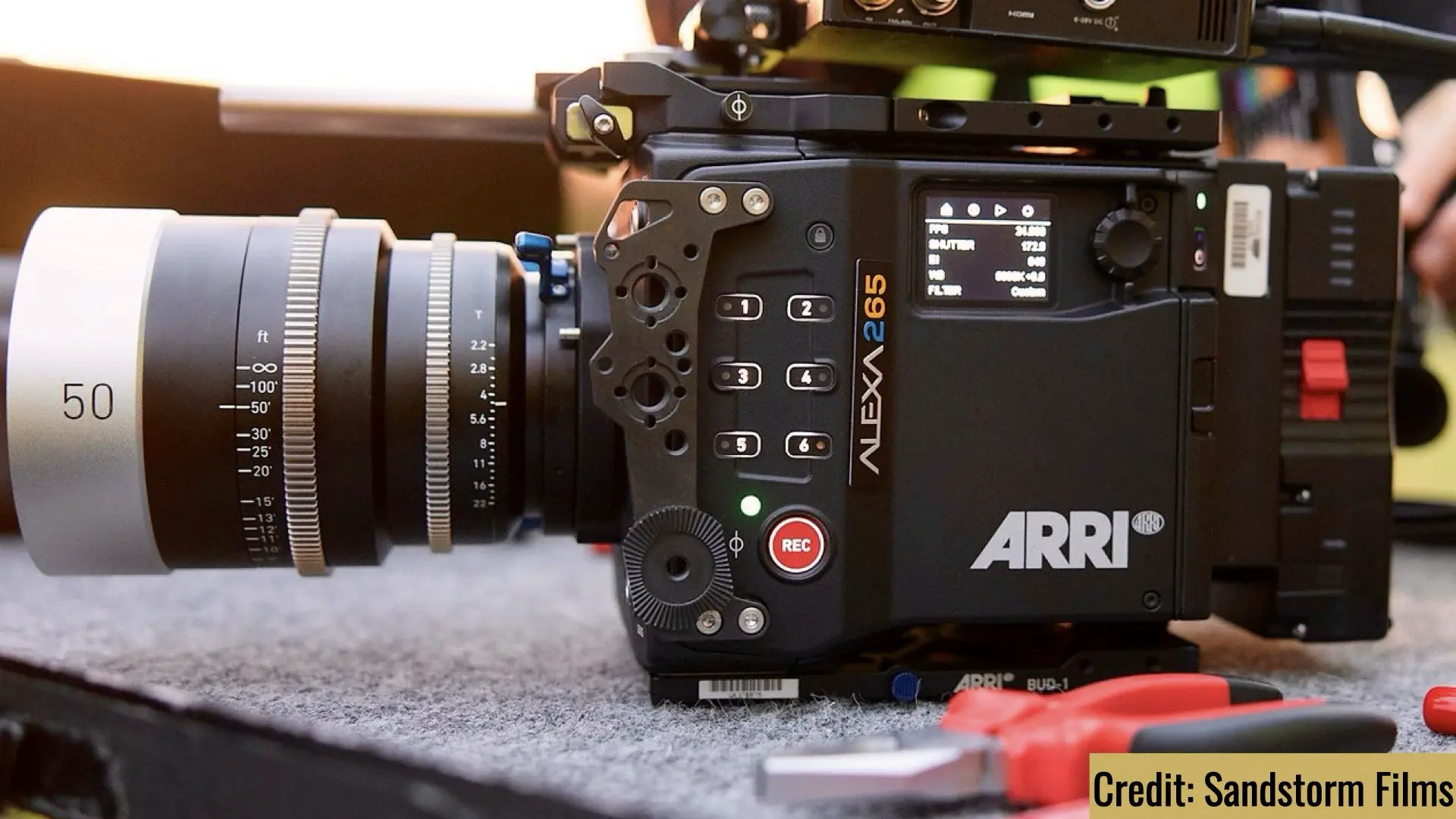 ARRI ALEXA 265 Takes Flight: 65mm Cinema Meets Drone in “GT40” Reel
Entering the prosumer cinema market is not a retreat from ARRI’s heritage. It is an expansion of it. This strategy gives ARRI a chance to influence not only the highest level of cinema but also the entire culture of modern visual storytelling. Millions of creators aspire to the ARRI look. A mid-tier product line would give them access to it and deepen ARRI’s status as the most respected brand in cinematic imaging.
Cinema is no longer defined only by theatrical productions and large scale studio workflows. The global content engine has fragmented into countless independent productions, creator led series, branded storytelling, and streaming original projects. These sectors operate with tighter budgets and faster timelines, yet they demand higher image quality than ever before. ARRI currently serves the upper tier with unmatched excellence, but the center of the industry’s growth now exists elsewhere. As we discussed in Nikon in the Cinema World, even legacy stills brands have successfully entered the cinema arena by offering accessible tools that meet modern production realities for the big screen and the huge canvas (IMAX). ARRI can learn from this shift and translate its strengths into new categories.
 ARRI ALEXA 35 Live Powers Cinematic Broadcasting at Shirin David’s Tour
`The prosumer cinema segment has exploded due to a mix of technological maturity and cultural behavior. Creators expect cinematic results even when operating with small teams. Studios produce companion content with secondary crews. Indie filmmakers want to match the look of major productions without the cost of a full scale system. This middle market is no longer niche. It now represents one of the largest and most stable revenue pools in the imaging industry, even to movie theaters that satisfy heavy moviegoers. ARRI’s current portfolio does not engage with this segment, which means that younger generations of filmmakers grow up using competing ecosystems. In contrast, Nikon secured a new cinematic identity precisely by embracing the next tier, a move explored in Nikon in the Cinema World. If ARRI wants long term relevance, it must become visible to the same audience.
 Cannes 2025- ARRI ALEXA 35 Takes the Throne, Super 35 Rules Supreme
Expanding down market does not require compromising the ARRI brand. The solution lies in building a separate product architecture, one that preserves the prestige of the ALEXA line while offering an accessible entry point for emerging creators. This strategic separation mirrors the kind of corporate structuring discussed in Canon Should Buy ARRI, where brand integrity and new market access can coexist if supported by intelligent segmentation. A dedicated sub brand for mid tier cameras and lighting would allow ARRI to compete in the fast growing creator and indie sector without diluting the premium identity that defines its flagship products.

A carefully designed prosumer cinema camera, priced within reach of indie filmmakers and smaller production companies, would give ARRI a powerful foothold in the mainstream filmmaking ecosystem. Such a camera would not attempt to replicate the full ALEXA 35 experience. Instead, it would deliver a distilled version of ARRI’s color science, proven reliability, and production ready ergonomics. The market clearly responds to cameras that preserve a signature look. Nikon’s partnership with RED, as explored in Nikon in the Cinema World, transformed its brand perception. ARRI can achieve a similar leap by offering a mid tier product that carries its visual identity to a broader audience.
 ARRI ALEXA 35 Entry-Level
Expanding into the prosumer market is not limited to cameras. Lighting represents an equally powerful growth vector. Affordable variations of ARRI lighting products can open entire segments of new users while reinforcing ARRI’s leadership in professional illumination. The creator and indie tiers rely heavily on compact, battery friendly, and cost efficient lights. If ARRI can build an ecosystem that includes lights, accessories, modular tools, and creator centric workflow support, the brand can become a default choice for a generation of filmmakers who currently rely on lower cost competitors.
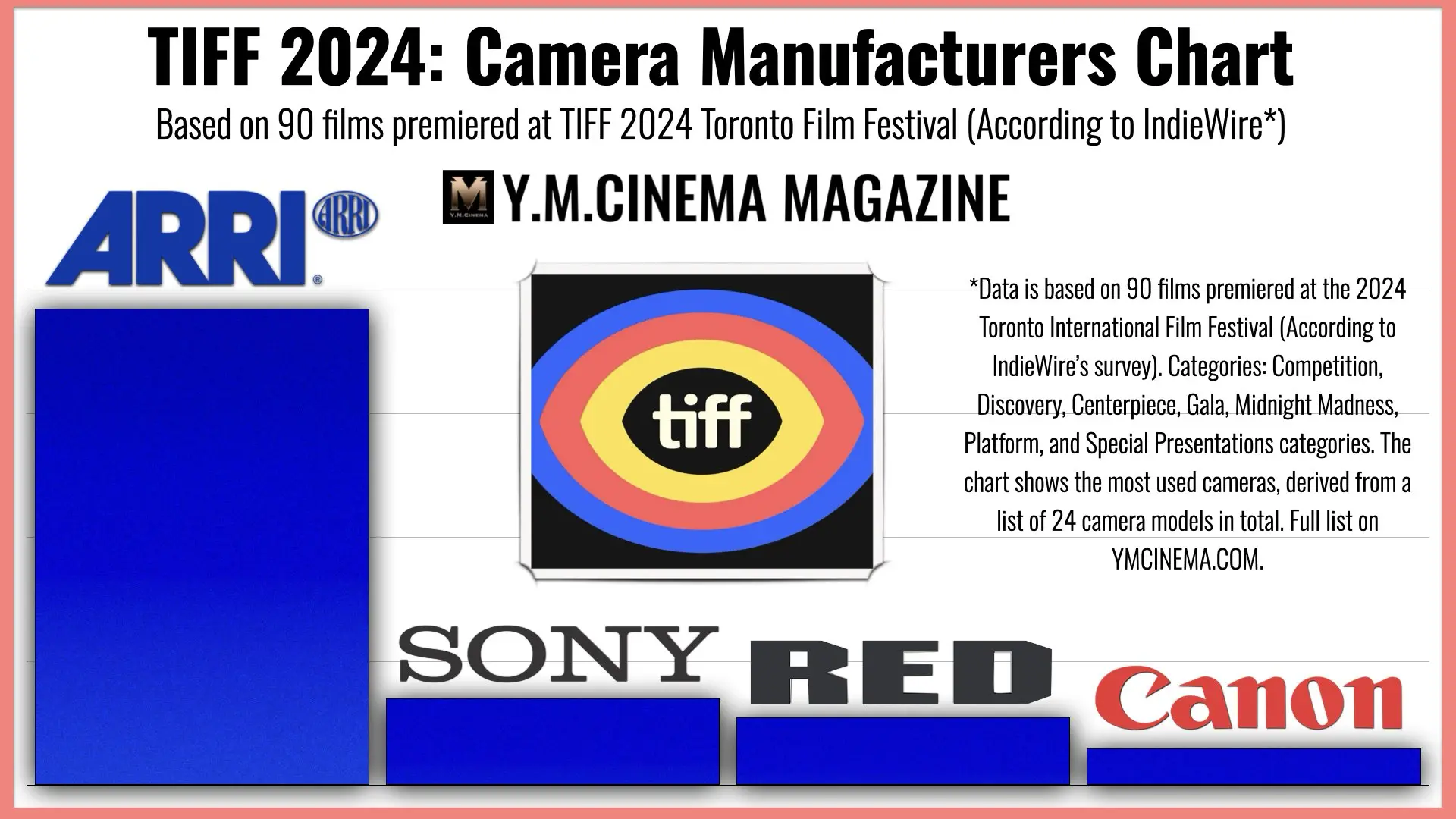 TIFF (Toronto International Film Festival) 2024: Camera Manufacturers Chart
Moving down market does not threaten ARRI’s high end clientele. Productions that rely on the ALEXA 35 or high level SkyPanel systems will not transition to a smaller tier simply because a lower priced line exists. Instead, a segmented approach allows ARRI to serve multiple tiers with tailored offerings. This multi level strategy ensures that ARRI’s core, consisting of major motion pictures and large rental houses, remains intact. At the same time, ARRI gains relevance with young filmmakers who may one day lead productions with significantly larger budgets.
 BTS of ARRI CPO
The economics of high end cinema gear are cyclical and dependent on studio production volume. In contrast, the prosumer segment behaves more like consumer electronics, where sales are driven by continuous content creation and global accessibility. This stability is precisely what ARRI needs in an era when the top of the industry is under pressure. By building a parallel line that addresses a stable and rapidly growing customer base, ARRI reduces its exposure to the volatility of studio production cycles. This diversification strengthens the company financially and strategically for the coming decade.
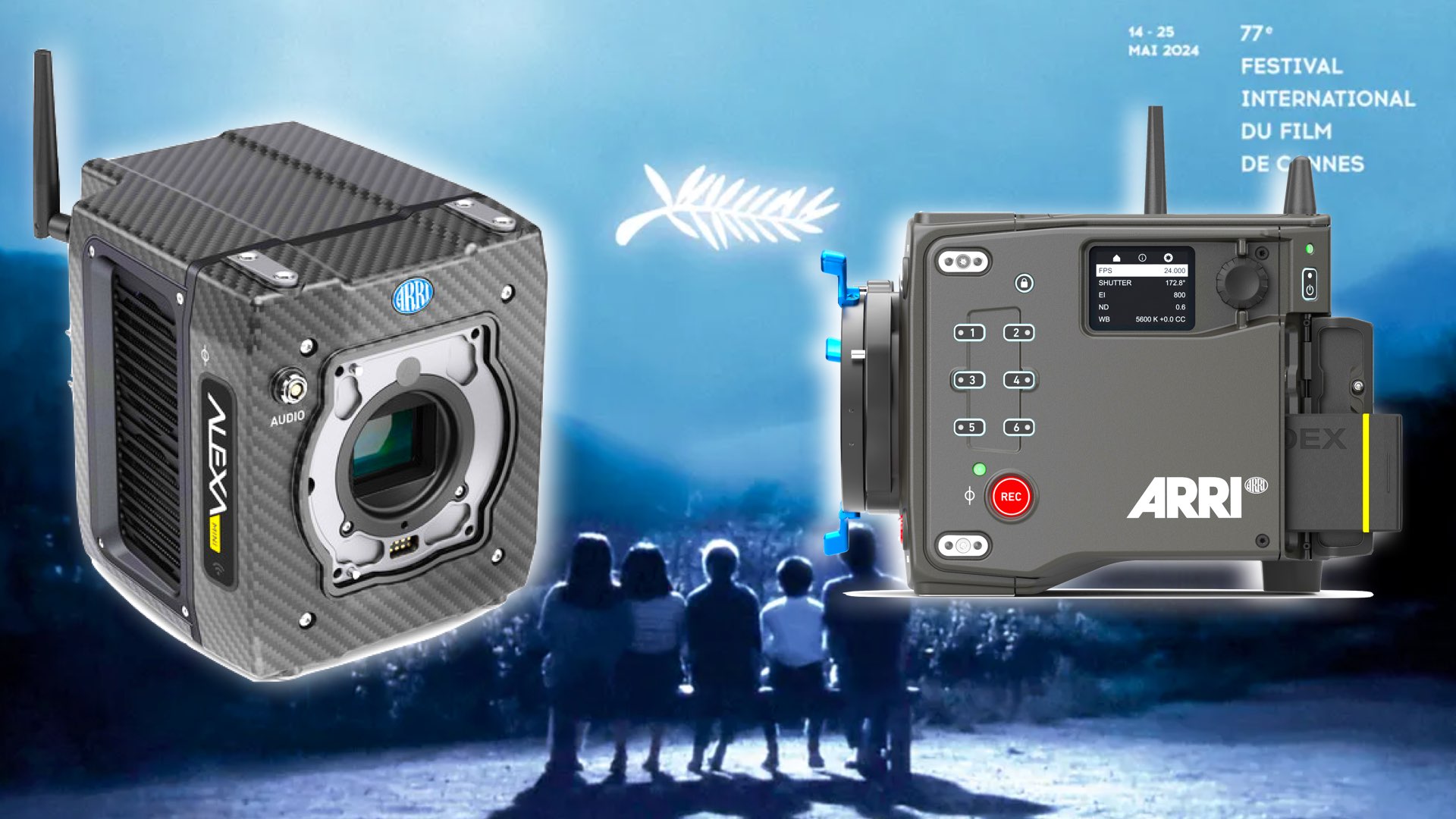 Cannes 2024’s Cameras: ARRI ALEXA Mini is (Still) The King
If ARRI delays its shift into the prosumer market, competing companies will solidify their dominance in the very segment that has become the heart of modern filmmaking. Sony and Canon already operate across the entire spectrum. Nikon reinvented itself by embracing cinema technology, which we analyzed in Nikon in the Cinema World. If ARRI wants to remain a leading authority in the world of moving images, it must expand beyond its traditional borders and reach the next generation of creators before they are fully locked into other ecosystems.
 ALEXA 35 Live and the Fujinon Duvo 25-1000
There are already powerful examples of how elite imaging brands successfully expanded into broader markets without compromising their identity. Hasselblad’s collaboration with DJI demonstrated how a premium medium format brand could enter the prosumer space through carefully structured partnerships while preserving its heritage. The result was a hybrid strategy where DJI gained cinematic credibility and Hasselblad gained global reach, and neither brand suffered dilution. Nikon’s acquisition of RED, which we explored in Nikon in the Cinema World, similarly proved that high end cinema DNA can be merged with a mass market manufacturer to create a new competitive force. Even Canon’s potential interest in ARRI, discussed in Canon Should Buy ARRI, reveals a growing industry logic where premium cinema expertise is integrated into larger ecosystems to expand influence and stabilize revenue. These moves show that brand elevation and market expansion are not opposites. They are strategic complements when executed with discipline, clarity, and segmentation. Additional examples reinforce how premium imaging and cinema brands can broaden their markets without damaging their reputation. Leica’s partnership with Panasonic reshaped the hybrid camera space by introducing co-engineered products that brought Leica’s color science and optics into a far more accessible price bracket, while Leica maintained its elite flagship line unchanged. Sony followed a similar path when it separated its high-end CineAlta division from its mid-tier FX and Alpha lines, a move that allowed the Venice series to remain prestigious while the FX3 and FX30 dominated the creator and indie world. Blackmagic Design executed the same tiered strategy from the opposite direction by offering extremely affordable cinema cameras, then elevating upward into high-level workflows with DaVinci Resolve Studio, cloud collaboration systems, and larger bodies like the URSA line. Even Fujifilm leveraged its GFX medium format heritage to influence its X series cameras, offering cinematic color profiles to a far broader audience without undermining the premium GFX brand. These examples confirm a consistent industry pattern where segmentation, not exclusivity, creates sustainable growth for imaging companies operating at the top of the market.
 “Barbie”: DP: Rodrigo Prieto, ASC, AMC. Cameras: ARRI ALEXA 65. Lenses: Panavision 65 and Sphero 65 lenses.
Entering the prosumer cinema market is not a retreat from ARRI’s heritage. It is an expansion of it. This strategy gives ARRI a chance to influence not only the highest level of cinema but also the entire culture of modern visual storytelling. Millions of creators aspire to the ARRI look. A mid-tier product line would give them access to it and deepen ARRI’s status as the most respected brand in cinematic imaging. The company can rise again, stronger and broader than before, by embracing the sectors that define today’s filmmaking landscape while preserving the elite tier that built its legacy.