In a world where rising global temperatures are helping mosquitoes spread diseases faster than ever, a team of scientists has found hope in an unexpected place: a sweet-smelling fungus.
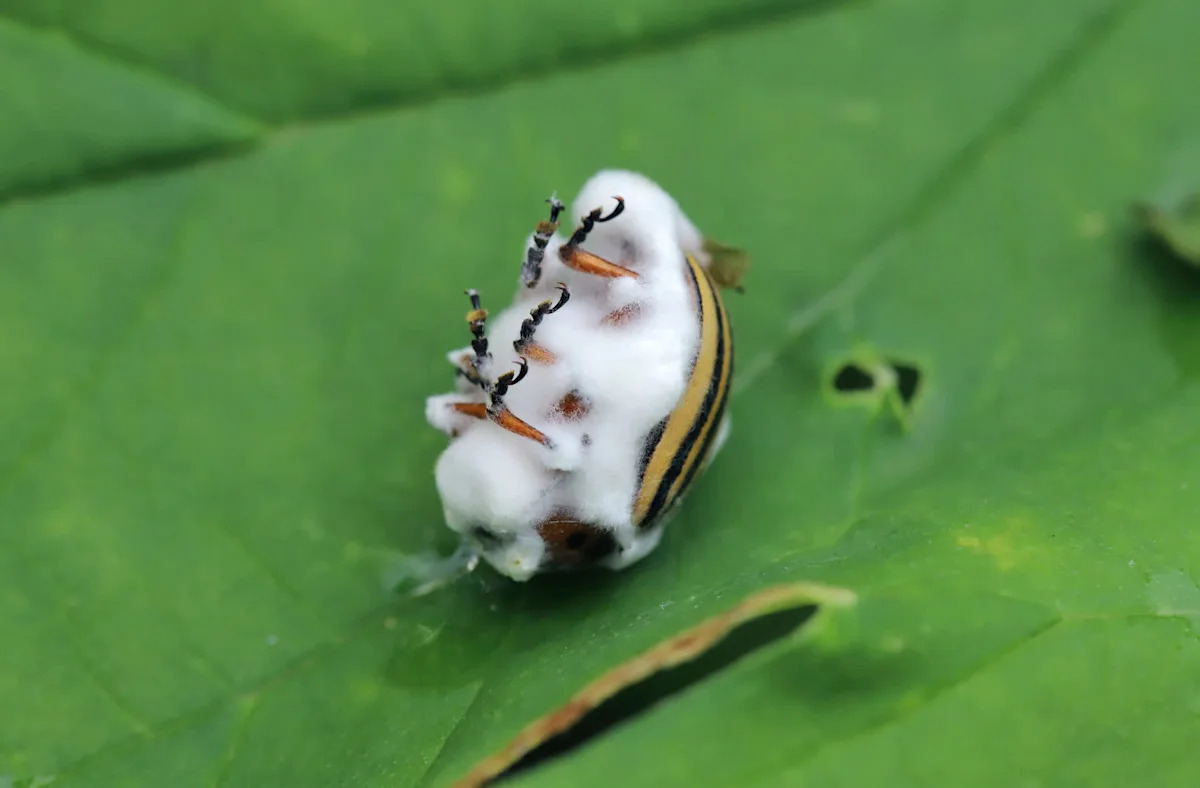
According to Science Daily, researchers have engineered a strain of Metarhizium fungus that releases a floral scent capable of luring mosquitoes to their own demise, offering a promising new tool in the global fight against malaria, dengue, and other deadly diseases. The Nature Microbiology article’s co-author, professor of entomology Raymond St. Leger, explained, “We’re letting nature give us a hint to tell us what works against mosquitoes.”
The innovation draws inspiration straight from nature. The team discovered that some naturally occurring fungi release a chemical called longifolene, a pleasant aroma also found in pine trees and certain flowers.
Since mosquitoes rely on floral scents to find nectar — a crucial food source — the researchers modified the fungus to produce extra longifolene, making it irresistibly attractive to the insects. Once the mosquitoes make contact, the fungus infects and kills them within days.
What makes this approach especially promising is its simplicity and safety. The spores can be placed in small containers indoors or outdoors, gradually releasing the floral scent for months at a time. In lab tests, the fungus killed 90-100% of mosquitoes — even in environments filled with competing human and floral scents. Longifolene itself is already widely used in perfumes and poses no risk to humans, making it far safer than chemical pesticides.
Beyond its effectiveness, the fungus could be a game-changer for communities most affected by mosquito-borne illnesses, particularly across Africa, Asia, and South America. The fungus can be inexpensively grown on common agricultural waste, providing an affordable, scalable solution for disease prevention.
As warming temperatures allow mosquitoes to move into new regions — even parts of the U.S. — scientists hope this “perfumed fungus” could help save countless lives. It’s a breakthrough that transforms the problem itself into part of the solution, proving once again that sometimes, nature really does know best.

��
Get TCD’s free newsletters for easy tips to save more, waste less, and make smarter choices — and earn up to $5,000 toward clean upgrades in TCD’s exclusive Rewards Club.