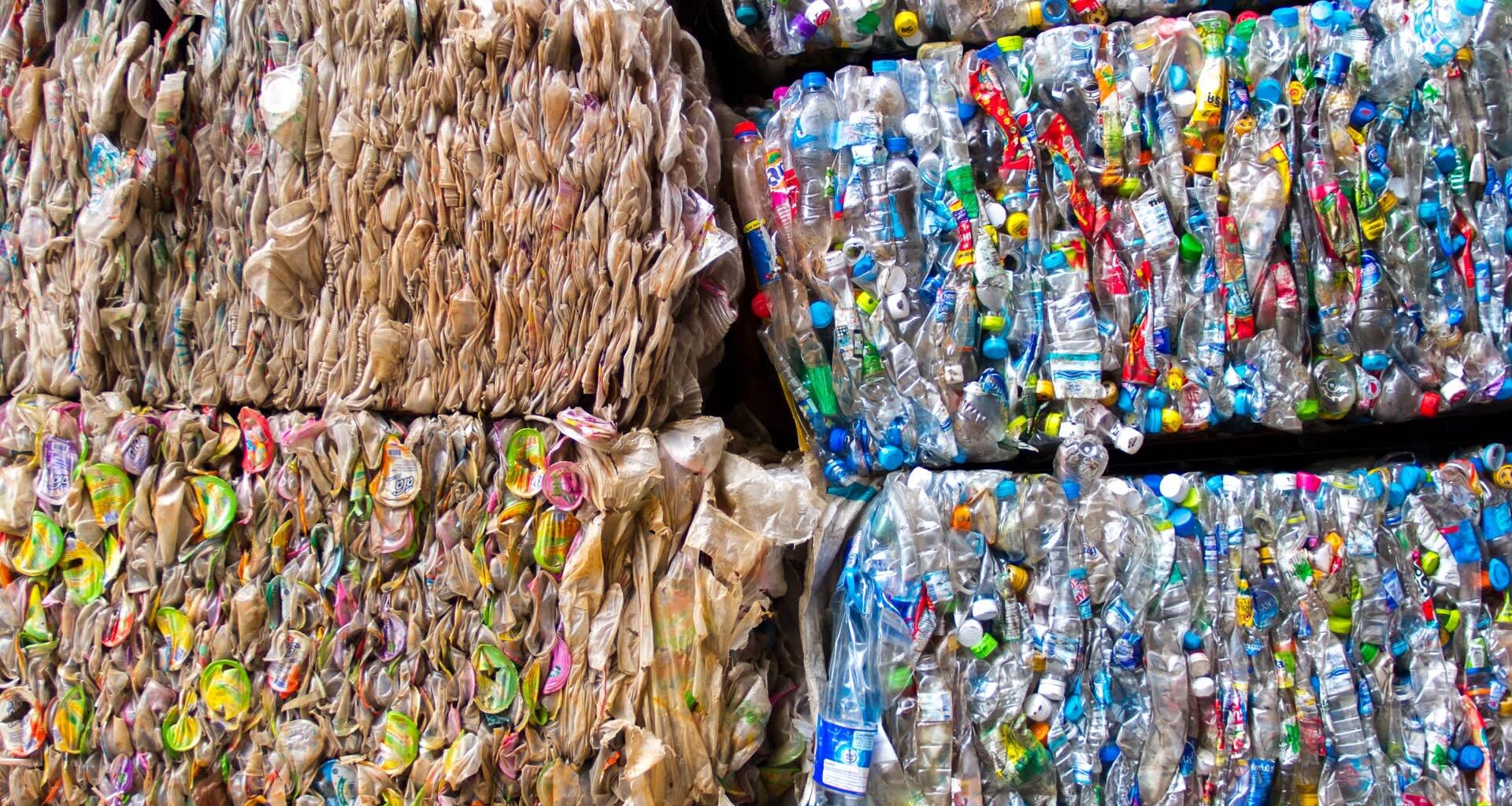
A recent study explored the potential for converting waste plastics into high-value carbon materials for numerous applications, including those supporting energy storage solutions.
This collaborative work by Chinese researchers was published in the journal Sustainable Carbon Materials and focused specifically on turning the global plastic waste problem into a valuable resource stream.
“This is a promising pathway toward a circular carbon economy,” said Professor Yan Chen, co-corresponding author from the South China University of Technology, according to Interesting Engineering.
“Transforming waste plastics into functional carbon materials could help close the loop between pollution control and renewable energy,” Chen added.
The United Nations shared that more than 440 million tons of plastic are produced each year, half of which are designed for single-use purposes. More than 12 million tons of this waste end up in lakes, rivers, and oceans — often as small microplastic particles — endangering marine life and humans alike.
Unfortunately, global recycling efforts are failing to reclaim most of this waste. Disposal methods include mechanical recycling, incineration, and landfilling, but less than 10% of this waste is actually recycled, and some of the other methods lead to secondary pollution, the study explained.

Unlock your next great adventure with a high-tech e-bike at an unbeatable price. Upway saves you up to 60% off retail prices from top-tier brands like Specialized, Aventon, Cannondale, and many more.
And this holiday season, you can get an extra $1,500 off your perfect ride, from electric city cruisers and cargo rigs to mountain bikes and road racers.
The work reviewed the physicochemical properties of major types of plastics used across industries, including polyethylene, polypropylene, polyvinyl chloride, polyethylene terephthalate (PET), and polystyrene, and explored viable use cases for these materials to help reduce environmental pollution.
By employing conventional processes and emerging technologies, the research points to the potential for creating highly useful carbon materials from this waste. These valuable outputs include carbon nanotubes, graphene, porous carbon, carbon spheres, carbon nanosheets, carbon quantum dots (CQDs), and soft carbon.
The study revealed that converting waste plastics into high-value carbon materials is an effective, low-cost pathway for creating products with higher economic and environmental value than traditional methods for preparing carbon.
Plastic-derived carbon products typically “possess tunable pore topology, modifiable surface chemistry, and excellent charge transport capabilities, making them exceptionally suitable for applications in environmental and energy fields,” according to the research.
TCD Picks » Upway Spotlight
💡Upway makes it easy to find discounts of up to 60% on premium e-bike brands
PET plastic bottles were particularly useful for CO2 adsorption and capture, providing an excellent environmental tool to help reduce planet-warming pollution from the atmosphere.
There were also environmental remediation benefits to carbon materials derived from waste plastics, including the ability to remove antibiotics and heavy metal pollutants, which can harm ecosystems.
Waste-plastic-derived carbon-based electrode materials are especially important to advancing green technologies, such as lithium-ion batteries.
When these materials were employed as lithium battery anodes, they exhibited three key advantages: enhanced kinetics, stabilized interfaces, and structural durability.
High discharge and cycling capacities can help improve battery performance and help drive innovation for electric vehicles and battery storage systems, which are key elements for our green energy transition.
Supercapacitors, which offer high-capacity storage, along with fast and powerful energy delivery, can also benefit from these recycled plastic materials.
While there are an increasing number of plastic-free alternatives on the market, overcoming humanity’s dependence on plastics in the near future will be difficult.
Through innovative recycling processes, the burden of plastic waste can become a beneficial resource to support more sustainable technologies without relying on dirty fuels.
💰Get TCD’s free newsletters for easy tips to save more, waste less, and make smarter choices — and earn up to $5,000 toward clean upgrades in TCD’s exclusive Rewards Club.
