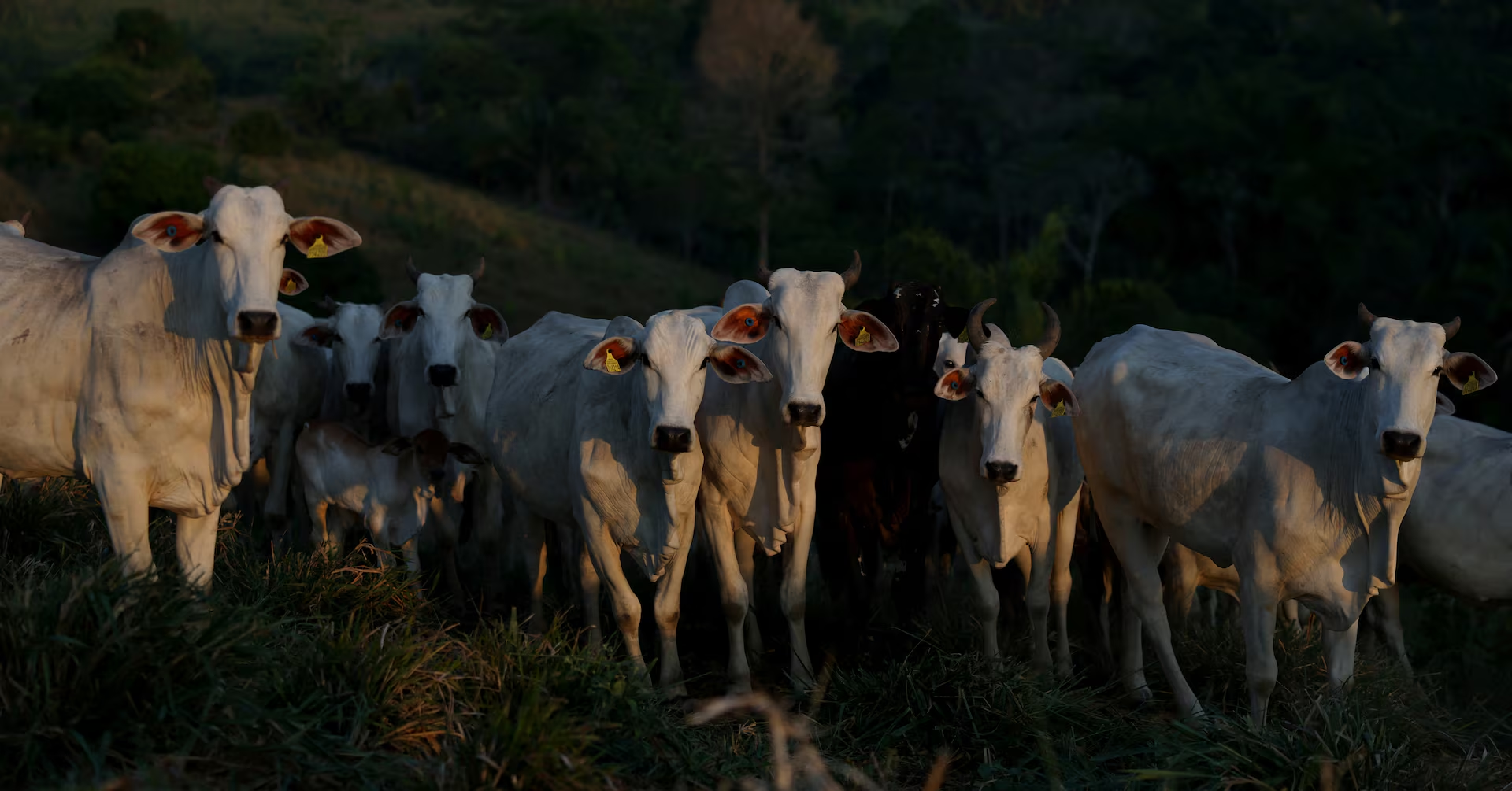
SAO PAULO, Dec 3 (Reuters) – Brazil’s state of Para has delayed the deadline for the introduction of tracking devices in its cattle herds, a blow to environmental efforts to introduce a regional policy that advocates say is key in preventing deforestation.
According to a decision published in the state’s official gazette on Wednesday, Governor Helder Barbalho has allowed the identification of bovine and buffalo to be completed by December 31, 2030.
Sign up here.
Previously, Para cattle ranchers had until January 1, 2026 to identify the herd with ear tags, provided they had their animal transit records in order. The final deadline for identifying and tracking all of the state’s animals was January 1, 2027.
Improvements in cattle traceability efforts would be a powerful tool to choke off ranching in illegally deforested farms in Brazil, the world’s largest beef exporter, according to environmentalists.
In a statement, non-profit Imaflora said the extension of the compliance deadline in the Amazonian state is a response to ranchers’ requests regarding what they see as “challenges” of putting the measure into practice.
“The ambitious deadline originally set was in line with the urgency imposed by climate change and created a favorable environment for generating innovative public policy solutions,” Imaflora said.
Para has a herd of 26 million head, nearly the same size as Australia’s, and is Brazil’s second-biggest cattle-herding state after Mato Grosso.
Implementation of Brazil’s national cattle tracking program will be in four stages, according to a Ministry of Agriculture norm issued this year. Under the norm, the federal government will ban all movement of cattle and buffalo that are not individually identified and registered in the official system from January 1, 2033.
Reporting by Ana Mano; Editing by Aurora Ellis
Our Standards: The Thomson Reuters Trust Principles., opens new tab