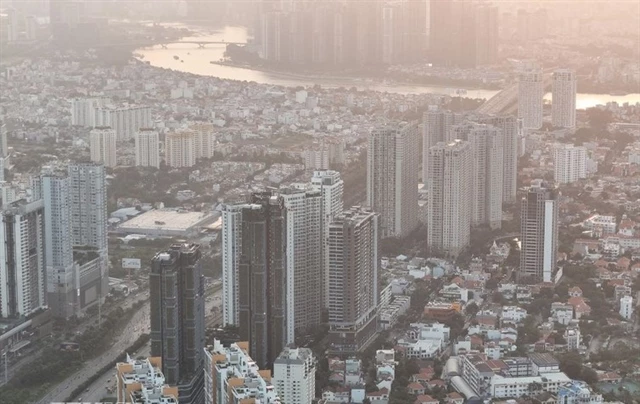
Doctors at major hospitals said the number of patients with respiratory illnesses typically rises on days with poor air quality.
The city plans to expand its air quality monitoring network to 100 stations by 2030, allowing for more accurate forecasting and public warnings.
Officials also encouraged residents to check air quality indices regularly and take preventive measures such as wearing masks and reducing outdoor activities during peak pollution hours.
Environmental experts emphasised that reducing emissions requires coordinated efforts across sectors.
They recommended speeding up public transport development, expanding green spaces, imposing emission fees for vehicles entering the city centre, and applying stricter control on construction and industrial activities.
The city is also studying measures implemented in other Asian megacities, such as Singapore’s congestion pricing and Seoul’s restrictions on old diesel vehicles.
However, experts noted that any policy must be tailored to the city’s specific characteristics and socio-economic conditions.
Efforts to raise public awareness are being stepped up.
Several districts have launched campaigns to limit the burning of waste, encourage waste sorting, and promote energy-saving practices.
Schools are also incorporating environmental education into their curricula.
The Department of Agriculture and Environment said it will soon submit a comprehensive air quality management plan to the People’s Committee, outlining priority actions to cut emissions, enhance monitoring and strengthen enforcement.
Officials stressed that restoring clean air requires long-term commitment and participation from both authorities and citizens.
As the city continues to grow, balancing development with environmental protection will be crucial to ensuring a livable and healthy urban environment.
Viet Nam News
Asia News Network