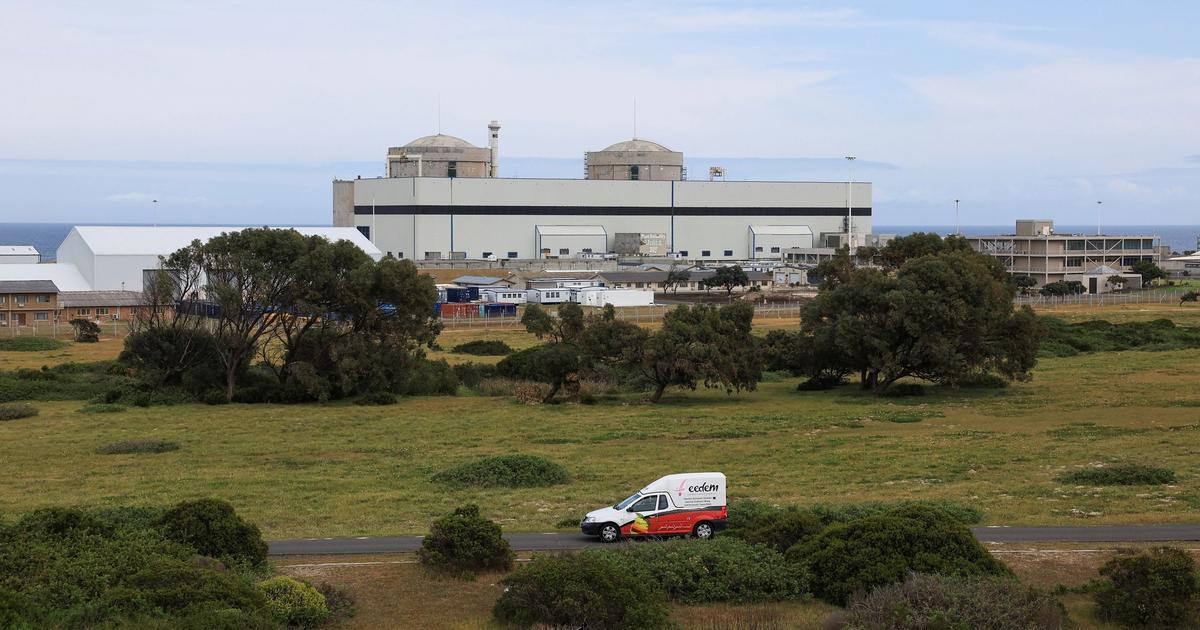
African countries could lean into nuclear energy to supply nearly a third of national electricity needs by the middle of this century with the right systems and financing incentives in place, a new report argued.
Ghana, Nigeria, and South Africa could each see nuclear energy account for up to 30% of total electricity supply by 2050, while nuclear energy could represent 24% of Rwanda’s power generation mix by the same year, said the report by The Rockefeller Foundation. The philanthropic group surveyed eight emerging economies including Brazil, India, Indonesia, and the Philippines. More investments in nuclear power could see each country’s electricity generation costs fall by at least 13%, compared with only relying on renewable sources, the report said.
More than half a billion Africans lack access to electricity. Nigeria — the continent’s most populous nation — is home to the largest number of people without electricity globally. The crisis has spurred ambitious interventions such as the World Bank and African Development Bank’s Mission 300 initiative: Around $90 billion is sought to meet Mission 300’s target of connecting 300 million people in Africa to electricity by 2030. But only about $50 billion has been pledged so far.
As with solar, wind, and hydropower, nuclear energy can “significantly contribute to scaling clean power for abundant energy” and so must be considered a key source for fixing the electricity gap in emerging economies broadly and Africa specifically, The Rockefeller Foundation, which is also a partner of the Mission 300 initiative, said.