
Key Points
-
Apple cores don’t decompose properly on the ground and can linger for months.
-
They attract animals to roadsides, increasing the chances of deadly crashes for wildlife and people.
-
Feeding wildlife can make animals sick, aggressive, and more likely to be killed by park rangers.
-
Tossed apple seeds can grow where they don’t belong and upset the balance of local plant life.
Spending months of the year in national parks, Kevin Jackson, founder and lead guide for EXP Journeys, has seen firsthand how even small actions—such as tossing an apple core out of a car window—can have unintended and negative consequences for wildlife and their fragile ecosystems.
“The bottom line is, even with good intentions, tossing an apple core out the window can contribute to wildlife roadside fatalities, human-wildlife conflicts and ecological disruption,” he says.
Jackson and other experts detail why apple cores and other food waste are harmful, and why the best way to protect our natural habitats is not to throw anything out, even the seemingly harmless bits.
Meet the Expert
Related: 12 Things You Should Never Compost, According to Experts
01 of 06
It Won’t Break Down Quickly
Organic items like apple cores do not decompose properly when tossed out a car window. “Composting relies on a well-balanced mix of moisture, heat, oxygen, and abundant decomposer organisms—bacteria, fungi, and invertebrates—to break down material efficiently,” explains Lauren Click, executive director of Let’s Go Compost. “Roadsides and highways rarely offer consistent moisture, warmth, or soil rich in microbes. Instead, your apple core sits exposed, drying out in the sun, splashed by traffic dust or pollutants, often too arid or too alkaline for decay.”
This all means your food waste can persist for one to two months or even longer, far beyond what people expect.
“We like to emphasize that proper decomposition only occurs in controlled composting conditions, like backyard or municipal bins, where microbial activity is optimized,” Click says. “The side of the road or a hiking trail is not a compost bin.”
02 of 06
Puts Animals (and Motorists) At Risk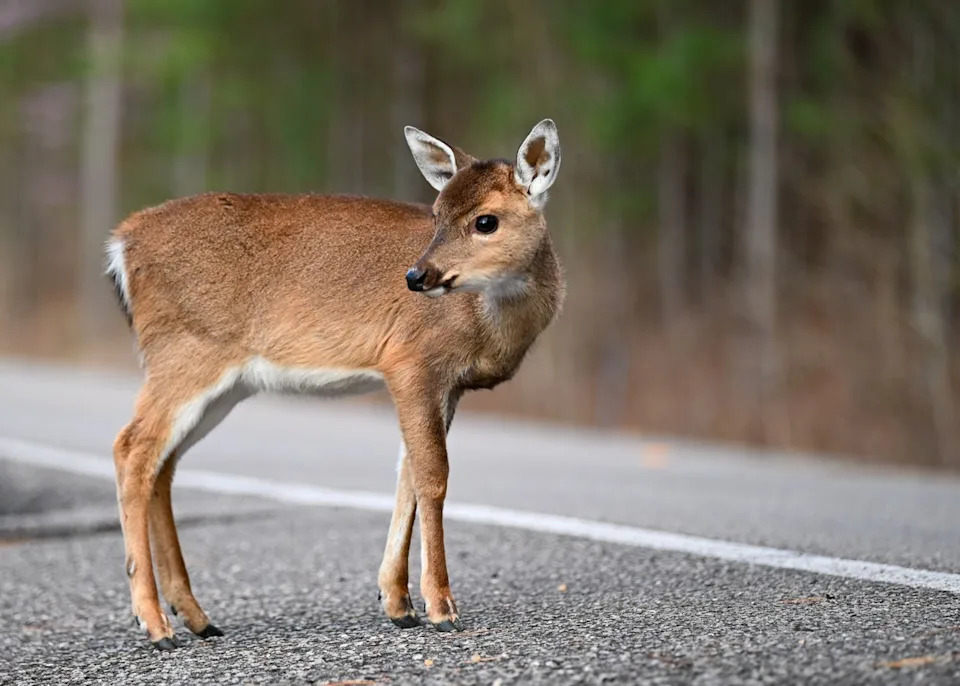
Melia Toney / Getty Images
Food waste, such as apple cores, attracts wildlife to roadsides, putting them at serious risk of being hit by cars, trucks, and even cyclists. “When animals start associating the roadside with an easy meal, they’re more likely to linger in these dangerous areas,” says Jackson. “It can take years for organic waste like apple cores to fully break down, and during that time, they continue to draw wildlife closer to humans and roads.”
If wildlife starts to see the side of roads as a source of easy food, then they are more likely to be on the side of roads—which increases their chances of getting hit by oncoming vehicles. “It creates dangerous situations for drivers who may need to brake or swerve suddenly,” says Michael Nelson, animal expert and founder of Kennel Store. “Encouraging animals to stay away from busy roads helps protect both them and those behind the wheel.”
03 of 06
Messes With Wildlife’s Digestion
Apples aren’t part of a wild animal’s diet, which makes it difficult for them to digest.
“Many animals are naturally drawn to discarded food, but apple cores often contain seeds and tough fibers that animals can struggle to digest properly,” says Nelson. “This can lead to digestive issues or, in some cases, choking hazards.”
04 of 06
Leads to Dangerous Wildlife-Human Interactions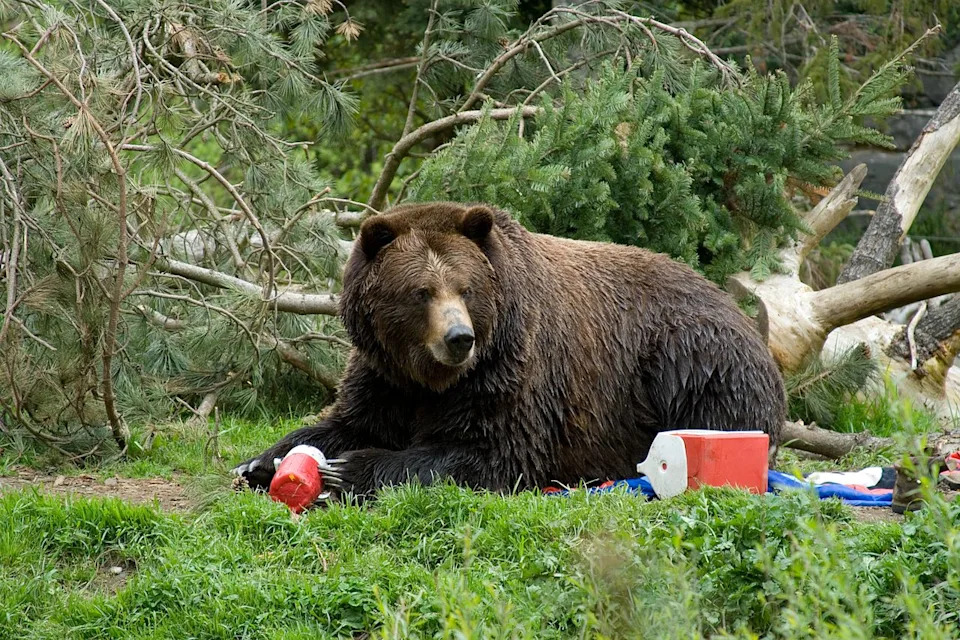
There’s a saying, ‘A fed bear is a dead bear,’ according to James Ian, founder of Parks Collecting. “If wild animals start to think of humans as a source of food, then they start to change their normal behaviors and can become aggressive in areas where people often are, like campgrounds,” he warns. “This then results in park rangers needing to put them down for everyone’s safety. Small actions can have big consequences.”
05 of 06
Introduces Non-Native Species
Discarded apple cores can disrupt delicate local ecosystems. “If the apple seeds sprout, they can potentially disrupt delicate local ecosystems, especially if they’re non-native varieties,” warns Ian. “It’s not uncommon for non-native species to crowd out native species, which can disrupt the entire ecosystem that those native species are a part of.”
06 of 06
Encourages Littering
“Fruit peels, rotting cores and other scraps remain eyesores and serve as visual litter,” says Click, “This diminishes the outdoor experience and encourages further littering by others.”
Read the original article on Martha Stewart