The funding is for ongoing conservation work at the park for several threatened native species
The park, which has been closed since October due to an outbreak of H5N1 bird flu originating from wild bird populations in Cork Harbour, has been forced to cull 73 birds from its population.
The park estimates that its ongoing closure is likely to result in a loss of over €1 million as it continues to care for its animals in the absence of gate revenue.
The park has been asking the public for donations, with a reopening date has yet to be confirmed.
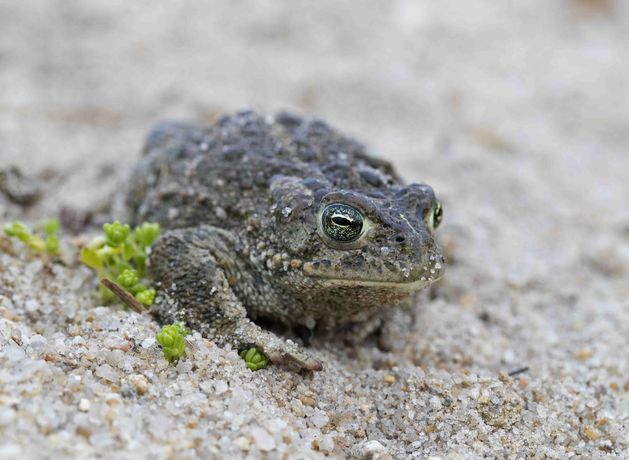
However, the new payment from the Department of Nature, Heritage and Biodiversity will allow the park to continue its ongoing conservation work for several threatened native species, namely the Natterjack Toad, White-clawed Crayfish, Curlew, Dunlin, and Corncrake.
The Department says the funding is being released to “bolster the continuation of delivery of actions under the 4th National Biodiversity Action Plan, for bespoke and endangered native species work, and to support off-site conservation management initiatives.
“This will serve to increase public engagement, awareness-raising, and behavioural change in relation to some of Ireland’s most iconic species,” the statement, released today (Friday, December 5), continued.
“Fota Wildlife Park is incredibly grateful for this vital intervention from the National Parks and Wildlife Service and the State during a very challenging time,” said Park Director Aileen Tennant.
“This financial support will secure critical investment in Ireland’s biodiversity infrastructure and allows our dedicated teams to continue with our native species work and international conservation programmes.
“With NPWS’ support and partnership, we’re engaging in important native species projects, from releasing over 13,000 Natterjack toadlets into the wild to supporting breeding waders and rescuing endangered white-clawed crayfish.”
“Fota Wildlife Park has been doing fantastic work with the NPWS for many years to give the best possible start to some of our most vulnerable species,” said Cork-based Minister at the Department, Christopher O’Sullivan.
“The early weeks and months are crucial for the long-term success of these species, as they are easy prey for hungry predators. Young are captured in the wild, either as eggs, spawn, or hatchlings, and brought to Fota Wildlife Park, where they are reared in captivity until they are resilient enough to be released back where they came from.
“This funding is going to ensure the future of these programmes and contribute to the broader conservation efforts that the NPWS is leading to protect these species into the future.”
It’s some relief for the park, which recently said that its weekly operational expenses total an average of €120,000, and that further financial impacts are being felt from the loss of annual passes, retail sales, gift vouchers, and onsite catering.
Staff from the park will once again be at the popular Marina Market this weekend, from 10am to 6pm, selling physical gift cards (with digital vouchers also available online), along with select items from the gift shop, as they work to maintain some revenue streams despite the ongoing avian flu issues.