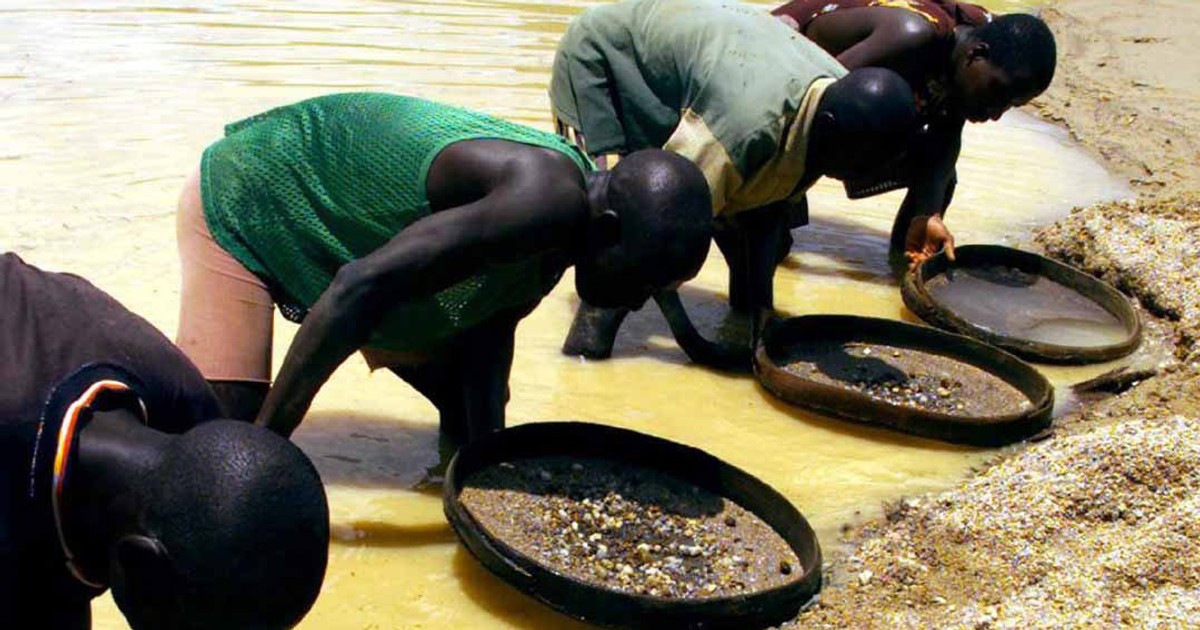
Africa is home to some of the world’s richest natural resources, yet many of its reserves remain largely untapped. From bauxite and copper to gold, uranium, and oil, these resources hold enormous potential to transform economies, attract foreign investment, and position the continent as a key player in the global supply of minerals and energy.
Some African nations such as the DRC, Nigeria, Ghana, and South Africa are globally recognised for their resource production; however, several other countries are sitting on significant wealth that has yet to be fully exploited.
Country-by-Country Overview of Untapped Natural Resources in Africa
According to data from World Population Review 2025, Africa’s resource endowment is extensive and diverse. Although certain countries have managed to convert these assets into measurable economic gains and increased investor confidence, many others still struggle to unlock the value of their reserves due to persistent governance challenges, insecurity, and inadequate infrastructure.
Somalia, for example, is endowed with significant deposits of bauxite, copper, gypsum, iron ore, salt, tin, and uranium. The country is also believed to hold considerable reserves of natural gas and oil; however, these resources remain underdeveloped due to persistent political challenges and limited infrastructure.
In addition, Namibia, a recognized global leader in uranium and diamond production, holds untapped deposits of cadmium, copper, lithium, lead, tantalum, tin, tungsten, and zinc. Suspected offshore deposits of oil, coal, and iron ore present further potential for economic expansion if systematically explored.
Similarly, Malawi is endowed with unexploited deposits of coal, uranium, and bauxite. Its extensive arable land and hydropower potential represent additional avenues for sustainable economic development that remain largely untapped.
Mali’s natural resource base comprises unexploited bauxite, copper, granite, iron ore, manganese, and uranium, alongside gold, gypsum, hydropower, kaolin, limestone, phosphates, salt, and tin. Collectively, these resources provide substantial opportunities for growth in both the mining and energy sectors.
Sudan contains modest yet significant reserves of chromium ore, copper, gold, iron ore, mica, silver, tungsten, and zinc. Combined with petroleum and hydropower potential, these assets could play a transformative role in the country’s economic development if effectively managed.
Furthermore, Guinea-Bissau is endowed with unexploited bauxite, clay, granite, limestone, phosphates, and petroleum, in addition to rich fisheries and timber resources. These assets provide a foundation for economic diversification and sustainable development.
Eswatini hosts largely untapped asbestos, cassiterite, clay, coal, talc, and minor gold and diamond deposits. The country’s forests, quarry stones, and hydropower potential further contribute to its sustainable development prospects.
Eritrea, ranked eighth on the list, possesses deposits of copper, fish, gold, potash, salt, and zinc, along with prospective oil and natural gas reserves. With strategic investment and systematic exploration, these resources could be harnessed to drive sustained economic growth.
Unlocking Africa’s Hidden Wealth
Africa’s natural resource wealth extends far beyond the continent’s traditionally recognized producers. Nations such as Somalia, Malawi, Mali, and Eritrea possess substantial untapped deposits. With improved governance, infrastructure development, and targeted investment, these countries could significantly enhance their influence in global mineral, energy, and industrial markets.