The year was 2016. The latest iPhone was the iPhone 7 and 7 Plus, and Google had just released Android 7.0 “Nougat,” which ushered in split-screen multitasking, improved standby battery, and enhanced notifications that let you triage most notifications (and reply to some!) right from the notification shade.
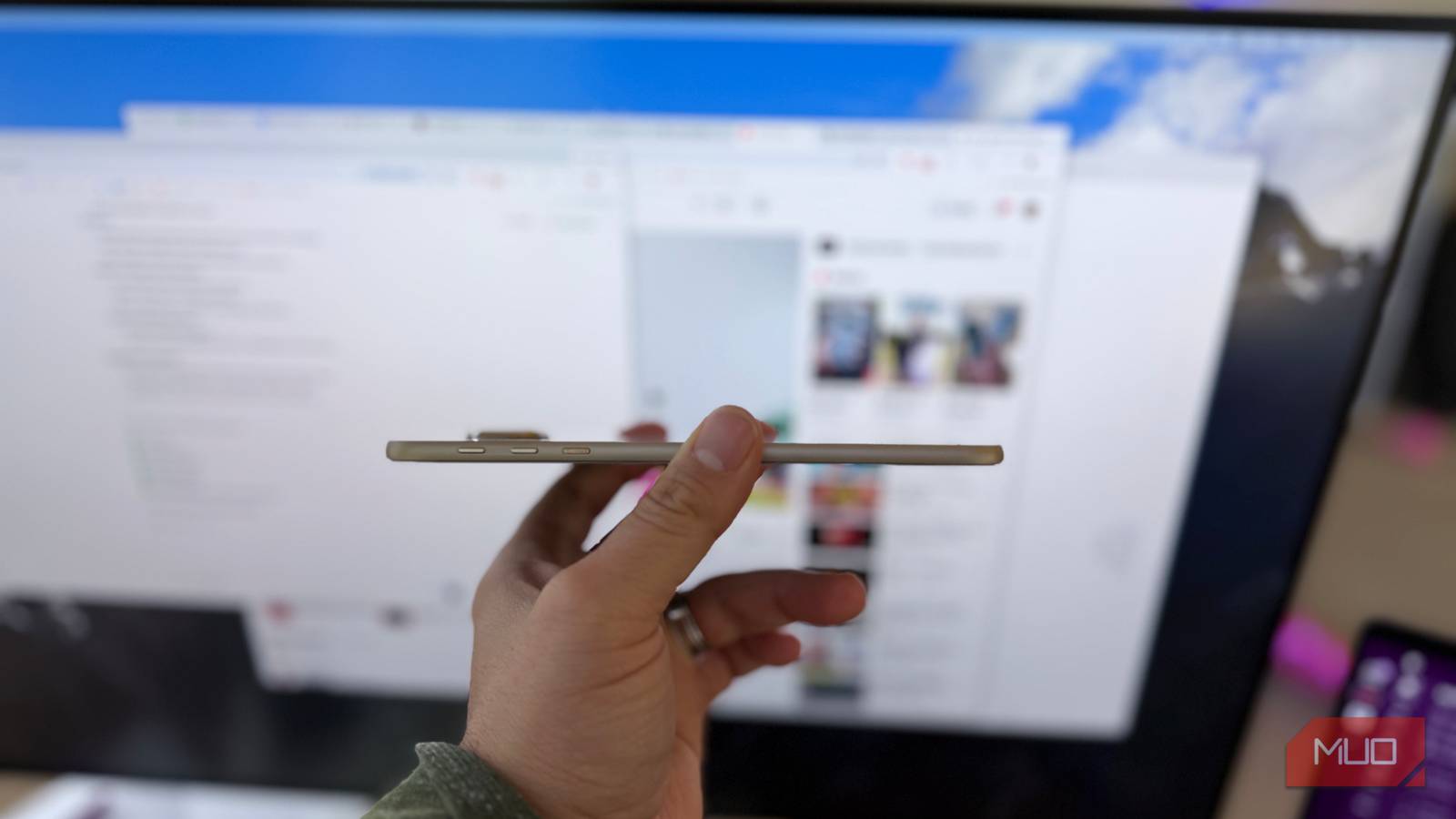
Something else happened that year: the thinnest phone ever made came out, the Moto Z, which was a shocking 5.2mm thick, which bests even today’s iPhone Air by 7.3% (which is 5.6mm thick). At 5.2mm, the Moto Z was barely thicker than the USB-C port.
Related
The iPhone Air has a single camera—and I’m totally fine with it
The iPhone Air single-lens camera isn’t a flaw. Explore why this single-lens camera could be a smarter choice for users like me.
I was so excited by the Moto Z that I actually bought more than one because I wanted to have both colorways: they sold a ceramic black version, which was black all around. But they also sold a stunning gold/white version, which I still own today. The gold-and-white version had a white front, matte gold sides, and a shiny gold back. It was stunning! And it’s so thin and light that using the phones for long periods or watching long YouTube videos felt absolutely effortless. The Moto Z wasn’t ideal for content consumption because it had a single speaker in the earpiece (that at least was front-facing). At just 4.8 ounces, the Moto Z was a full ounce lighter than the iPhone Air. It’s difficult to convey just how light this phone was—it was truly remarkable—especially compared to other phones that came out in 2016, like the Google Pixel (5.04 ounces), the LG G5 (5.6 ounces), and the Galaxy S7 (5.3 ounces).
The Moto Z had a secret
It was the first truly modular phone
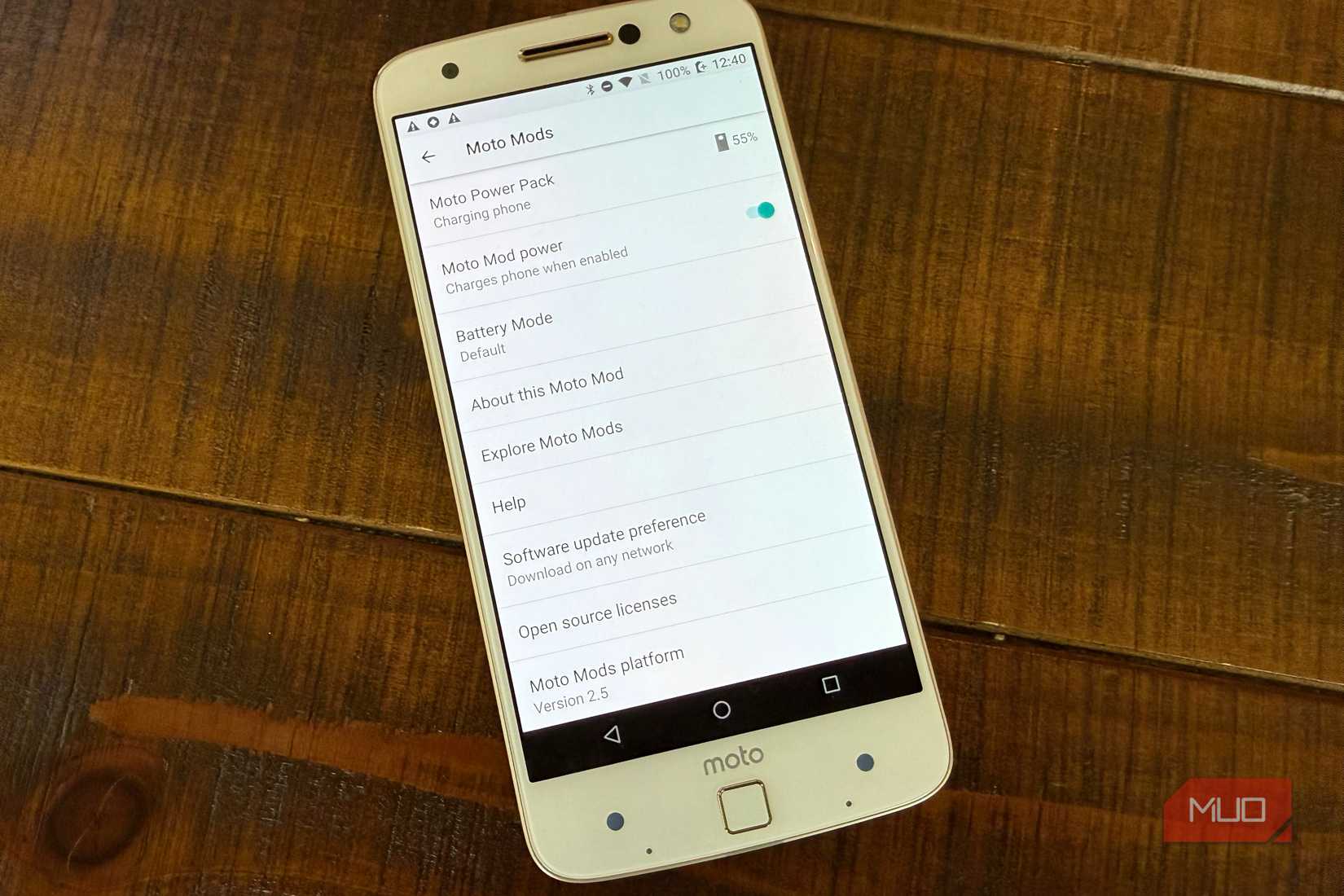
The Moto Z had a wild trick that gave it expandable functionality. It was modular, with a system of magnets and contacts on the back called Moto Mods that let you add “mods” to your phone to expand its functionality. I only owned the extended battery (which I’ll show you below), but you could also fit the Moto Z with the very loud JBL SoundBoost Speaker (which offered loud, clear sound for $79). You could give the Z a super camera with the Hasselblad True Zoom camera (which offered an impressive 10x optical zoom at $299). There was even a $299 projector mod and a $79 gamepad accessory. While Motorola offered an SDK to encourage developers to make mods, most Moto Mods were first-party, and an ecosystem of mods never really happened.
The only Moto Mod I bought was the Power Pack—a magnetic 1300mAh power pack which offered a 50% battery boost, which is the black slab shown in the gallery above. Using this mod, you could either pick “Default” mode, which would keep the main phone battery at 100% by using the Power Pack, or you could opt for Efficiency Mode, which keeps the main phone battery at 80% for an extended period of time. Either way, using the Power Pack turned the endurance of the Moto Z, which only had a 2600mAh internal battery, into a truly all-day phone. Because there were more than one version of the Moto Z, there were also larger packs available: the Moto Z2 had a Power Pack with a 2220 mAh modular battery.
Why the Moto Z didn’t succeed
Lessons learned for thin phones
While there were two generations of the Moto Z (the Moto Z2 Play and Moto Z2 Force came out in 2017), neither sold very well, and many in the tech media thought the idea of a modular phone was dead on arrival because people just wanted a good phone with good cameras and good battery life. Without spending extra on Moto Mods, the Moto Z didn’t achieve this bar: the singular rear camera was weak, especially in low light, and the small battery meant that unless you had a battery extender Moto Mod, you likely wouldn’t make it through a day without needing to charge. Overall, the Moto Z series was a seriously compromised concept, and it didn’t sell well.
Fast-forward to 2025, when devices like the iPhone Air again beg the case for a super thin and light phone. But this time it’s a more compelling case thanks to advancements in CPU efficiency and battery density that make a razor-thin phone like the iPhone Air possible to live with on a daily basis. But in 2016, the technology wasn’t ready for a 5.2mm thick phone, despite it being a cool party trick and “just because you can doesn’t mean you should,” and clearly the Moto Z was ahead of its time, but I personally enjoyed using the shockingly-thin-and-light phone back then.