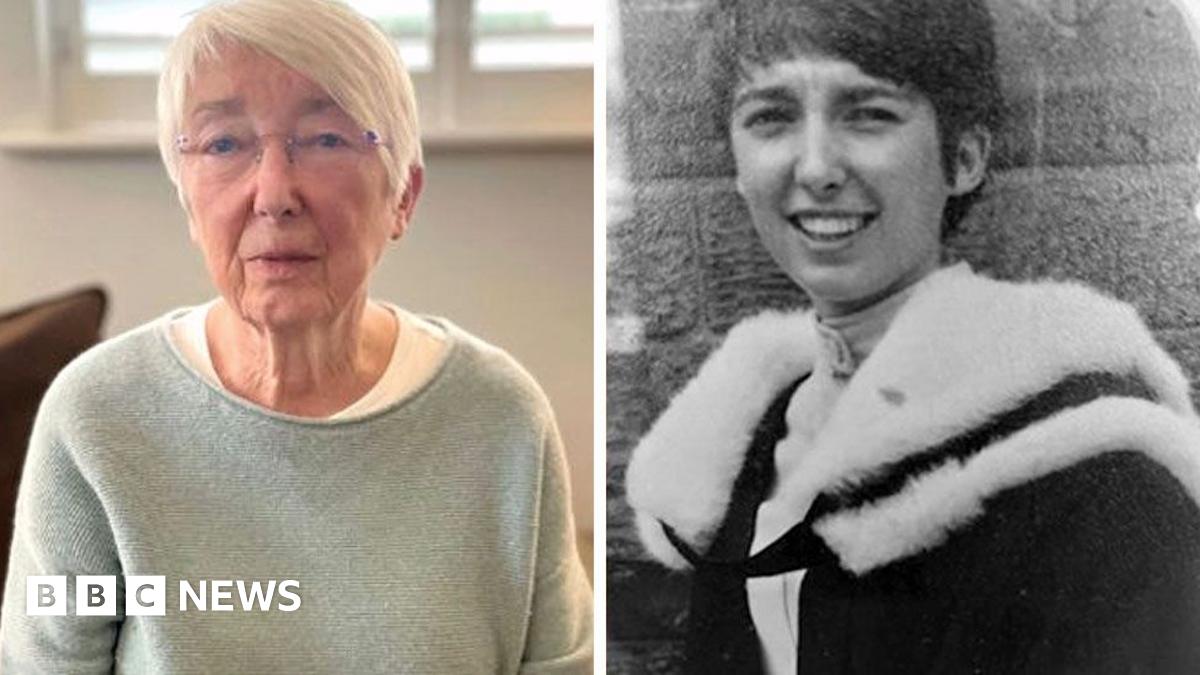
Recent research by Prof Hel Spandler, a leading historian of psychiatry and LGBT+ health, suggests ESAT practice was far more widespread than previously documented.
While the BBC has found records confirming more than 250 cases, Prof Spandler’s analysis of medical archives and oral histories indicates the true figure could be close to 1,000 cases across the UK.
She explains many treatments were never formally recorded at the time, and describes the treatment as operating like a “cottage industry”, with hospitals and clinics quietly replicating the method across the country.
“The treatment was often presented as cutting-edge behavioural science,” she notes.
Early versions of aversion therapy were first trialled on animals and then on humans for conditions such as phobias, compulsions, and addictions, for example, using mild shocks to reduce nail-biting or gambling.
“But in reality,” she said, when used to treat sexuality and gender expression, “it caused profound harm and lifelong trauma”.