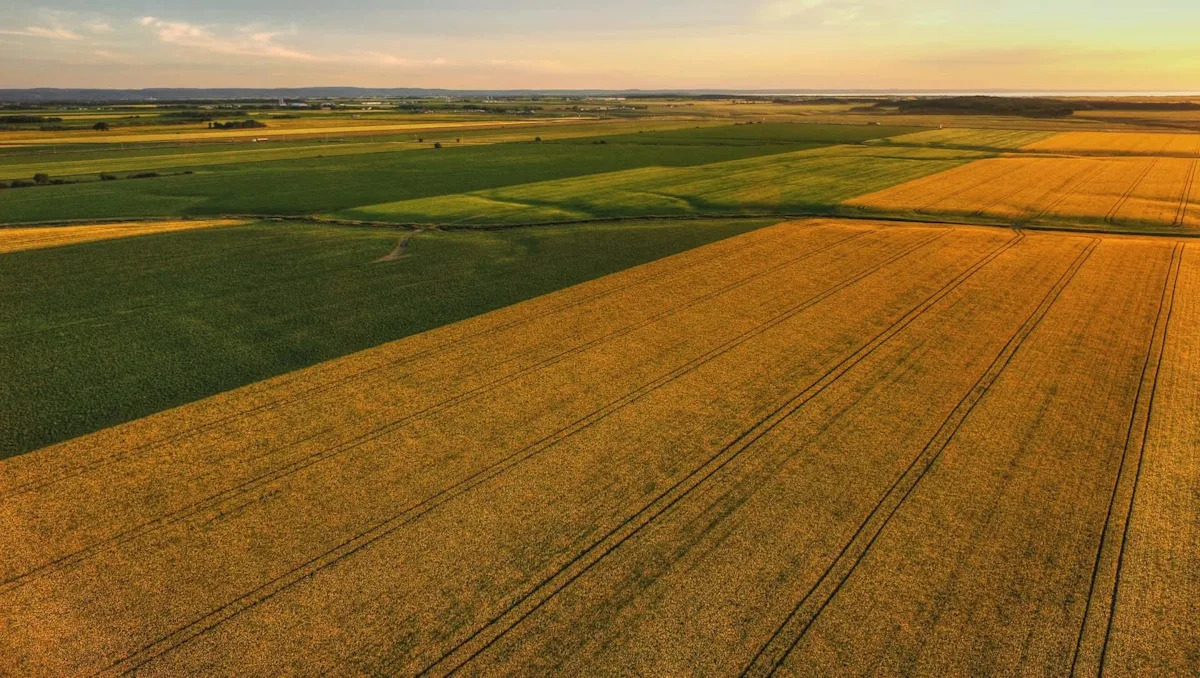
Scientists at the University of Guelph in Ontario, Canada, have developed a gene editing technique that improves canola yield for farmers by introducing a particular starch-producing enzyme into the crop’s genetic material.
According to the Manitoba Co-operator, the research took inspiration from a prior study which targeted thale cress — a genetically similar plant — by incorporating new genetic information drawn from maize DNA in order to encode the production of starch branching enzymes (SBEs). The inclusion of this SBE-linked genetic material was found to improve starch output, resulting in plants with greater overall biomass, typically in the form of thicker and denser stems and branches.
When applied to the canola crop, the same gene editing techniques similarly boosted canola seed yield and weather resilience without compromising on quality. In particular, this high-biomass canola has been demonstrated to perform well even under drought or heat-intensive conditions, at least under the controlled conditions in which these researchers have experimented so far.
In Canada, regulations on genetically edited crops have been loosening, and as of 2023, these crops face no more scrutiny than conventionally bred plants, per the Manitoba Co-operator.
Although many people sustain anxieties regarding the safety of genetically modified foods, most concerns are grounded in the rampant misinformation surrounding GMOs, when in reality, GMO crops must all be thoroughly vetted and pass certain safety standards before landing on our shelves. Decades of in-depth research on the subject have deemed the crops that pass these regulations safe for consumption.
On top of improving crop yield and safeguarding the livelihood of many farmers, gene editing research has helped scientists develop crops that demand less water, require little to no maintenance, and can withstand pests and disease outbreaks far more effectively than plants that are conventionally grown.
Especially as our pollution-heavy activities spur changes and instabilities in our weather patterns, it’s becoming more and more essential to fortify our food security in order to support our rising global population.
“I’ll just say genetic engineering … is a huge positive,” remarked Manitoba farmer Nicolea Dow, “and I see it as likely the most important tool for a future for agriculture that’s going to give us sustainability … [and] let us combat challenges, whether it be climate challenges or disease or insects or any kind of pests.”
The Guelph researchers have thus far limited their canola yield testing to controlled scientific environments, but the team should have more comprehensive, field-ready results by the summer of 2026, after further investigation into the crop’s yield, structure, and resilience.

��
Get TCD’s free newsletters for easy tips to save more, waste less, and make smarter choices — and earn up to $5,000 toward clean upgrades in TCD’s exclusive Rewards Club.