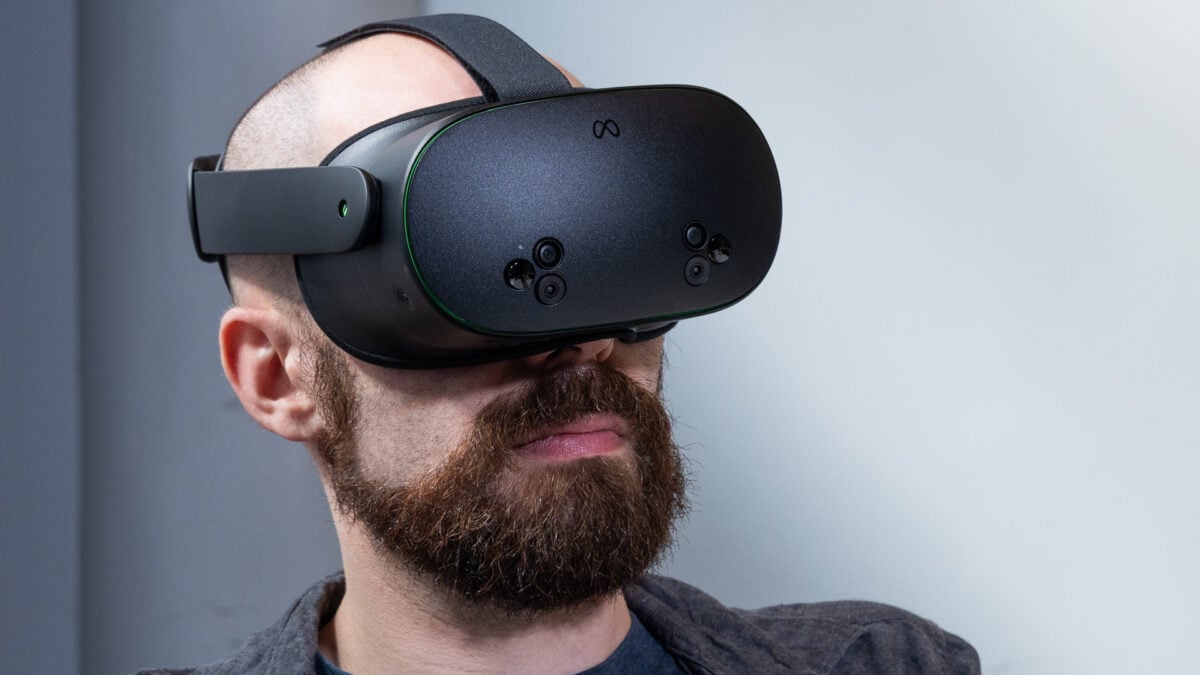
If you’re a fan of VR, I probably don’t need to tell you that zeal for hardware seems to be on the downslope. Not only was there no new Quest headset out of Meta Connect this year—a conference that’s historically been devoted to VR stuff—but rumors suggest next year could be more of the same.
According to a report from UploadVR, new Quest headsets have been pushed back until 2027 at the soonest, including the company’s rumored ultra-light headset and the Quest 4, a successor to the Quest 3, which came out in 2023. According to UploadVR, the Quest 4 may not come out until 2028, which admittedly feels like eons away in gadget years.
Despite the delay, memos viewed by UploadVR suggest some big things in the pipeline for the Quest once both headsets are finally released. On the ultra-light side of things, the “Quest Air,” as it’s being tentatively referred to internally, will reportedly be coupled with a compute puck that acts as the headset’s brain. Theoretically, offloading all the computing could drastically reduce the weight, making for a device that feels less annoying to wear over long periods. Whether it will be powerful and stable enough to actually enjoy is anyone’s guess, but at least you might not need to train your neck muscles before you wear it.
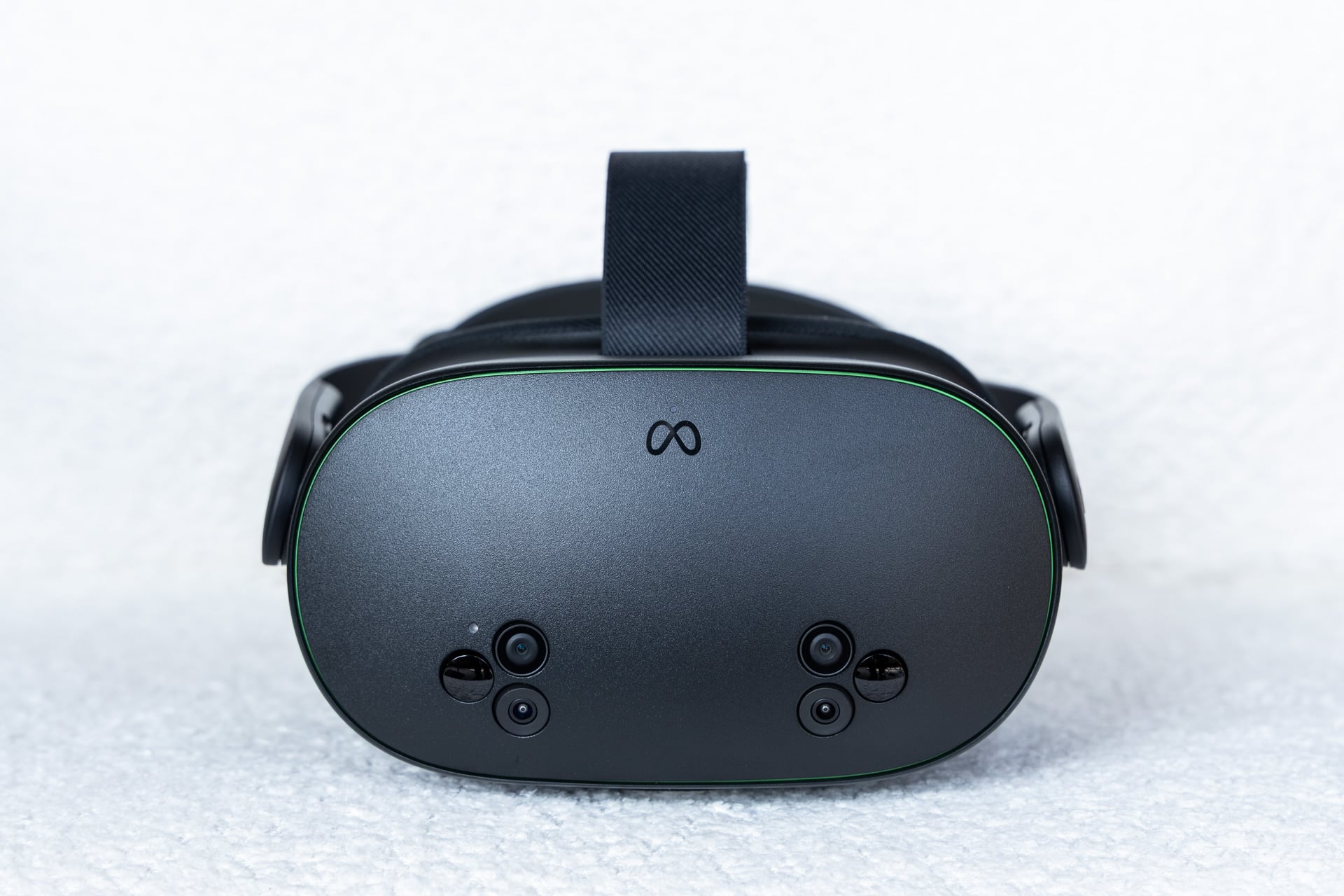 This year’s Xbox-branded Quest 3S was pretty nice at least. © Adriano Contreras / Gizmodo
The Quest 4, on the other hand, is reportedly shaping up to be a “large upgrade” to the Quest 3, according to memos, and will likely land as more of a competitor to the Apple Vision Pro than a budget-focused headset like the Quest 3S. Speaking of budgets, UploadVR also points out that headset pricing could drastically change in the next generation, with a memo stating that the Quest 4 will “significantly improve unit economics.” Either that means Meta has somehow found a way to make all of this hardware for a lower cost, or it plans on raising prices to try and squeeze a profit. Personally, my money is on the latter, especially because the memo reportedly states that Meta should be more focused on “making the business sustainable.”
Couple all of this with the fact that Meta may be on the precipice of drastically reducing its budget for Reality Labs, the division of the company that oversees VR/XR hardware, and it starts to make more sense. It feels like a bad sign for the Quest, and that may not be entirely inaccurate, but a slowdown does feel inevitable. Reality Labs has blown through tens of billions of dollars since 2022, which isn’t exactly a normal pace for a hardware market like VR/XR that still feels very niche. I don’t think anyone expected Meta to keep that burning so much cash forever.
Business Insider also reports that Meta has delayed the release of its “Phoenix” pair of XR glasses to “get the details right.” Does that mean Meta is souring on AR glasses already? Most likely not, given how heavily it pushed into the category of wearables this year via the Meta Ray-Ban Display and Oakley-branded smart glasses. I’ll admit, delays across the board for new Quest hardware aren’t encouraging, but I think the fact that new hardware is still even in the discussion is actually a good sign. That being said, roadmaps can always change. Tune in next time when Meta abandons hardware entirely for AI slop?