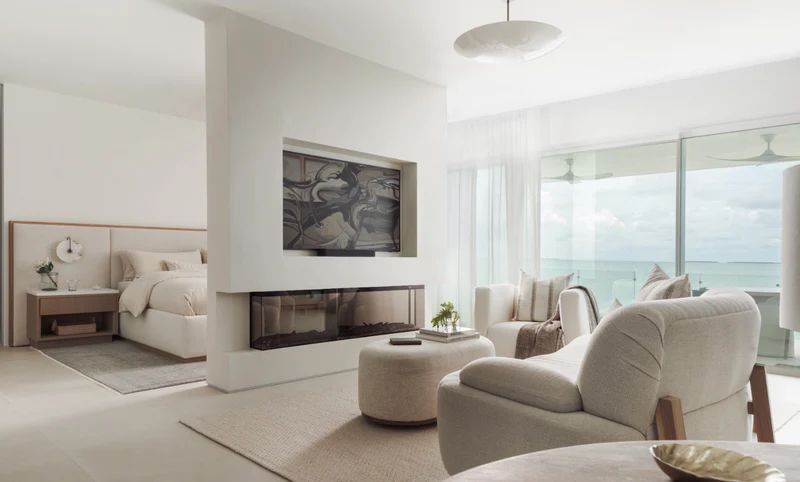
A relaxing home isn’t just about the music you play, the diffuser scents you pick, or your preferred dimmer switch setting. Intentional design choices like soothing paint colors and soft textures can also set the stage for how relaxing a house or apartment feels.
If you can close your eyes and picture a relaxing room (or any space, like a spa or hotel lobby) that always feels calm, and have wondered how you can recreate the scene in your own space, we’re right there with you. After all, returning to a calm backdrop every day can help reel in the chaos of busy routines.
We spoke to several interior designers for their best tips to create serene spaces. Here are nine things designers say all relaxing homes have in common.
Meet the Expert
- Emily Mackie is the owner and principal designer at Inspired Interiors in Chicago.
- Gala Magriñá is a holistic interior designer and the principal designer at Gala Magriñá Design.
- Philip Thomas Vanderford is the founder of Studio Thomas James in Dallas.
Simple, Neutral Colors
Credit:
“Relaxing homes almost always use gentle, tonal colors that soothe the nervous system and create an immediate sense of ease,” Gala Magriñá, an interior designer who specializes in holistic design, says. She adds that too much color can be “overstimulating.”
This applies not only to wall paint choices but also to pieces that take up lots of visual space, like furniture and bedding.
Want more design inspiration? Sign up for our free daily newsletter for the latest decor ideas, designer tips, and more!
Ambient Lighting
Credit:
“Lighting plays a huge role in how relaxed a home feels,” Emily Mackie, owner of Inspired Interiors, says.
Her advice? Multiple options for lighting are key. Think: Lamps—particularly lamps that have multiple brightness settings—sconces, overhead light, natural light, and even candles.
“Being able to adjust the light to the moment is what makes a space feel soft when you need it and bright when you don’t,” Mackie says.
Lots of Texture
Credit:
The pros say to focus on physical comfort by choosing soft, plush textures for spaces. In a bedroom, this might mean choosing 300- to 600-thread count sheets or plump down pillows. In a living room, this might mean there’s a high-pile rug underfoot, a velvet sofa, or a fuzzy, oversized blanket draped over the sofa.
Not only do soft textures look nice and make a space feel inviting, but they help the body physically settle, Magriñá says.
A Connection to Nature
Credit:
John Keeble / Getty Images
Even if you go with a mostly neutral color palette for your relaxed space, an important pop of color to include is a plant (or two).
“Plants are an instant mood booster and help reduce stress,” Magriñá says. “Incorporating greenery or natural materials like wood creates a grounding effect and brings the calm of the outdoors inside.”
Breathable Furniture Flow
Credit:
Although you can’t really change the floor plan of your space without a renovation (read: not relaxing at all), you can easily change furniture placement to optimize relaxation and eliminate any feelings of crowding.
“Relaxing spaces allow you to move and breathe easily,” Magriñá says, encouraging plenty of open pathways throughout a room.
Personal Touches
Credit:
Ivan Pantic / Getty Images
Even though you’re aiming to make your home feel less suffocating, don’t forget to have fun with decor. All of our pros say calming homes incorporate personalized, meaningful details that reflect who you are.
As Philip Thomas Vanderford, the founder of Studio Thomas James, puts it, they “elevate an interior from luxurious to intimate” —whether this is a vintage artwork, something you made yourself, or a family heirloom.
“These touches anchor the space in identity and soul,” he says.
Little Luxuries
Credit:
When you envision your most comfortable home setting, you might picture curling up on a couch with a cozy blanket, or maybe you’re standing by the kitchen window sipping out of your favorite mug, or sitting in bed with your favorite book.
The key here? Multiple options for making yourself feel right at home.
“Relaxing homes give people options. Options to sit. Options to curl up. Options to put on slippers by the front door. Extra throw blankets within reach,” Mackie says.
These thoughtful details “are what make a home feel lived-in and truly relaxing,” she adds.
Clear Surfaces
Credit:
Tfilm / Getty Images
Magriñá says cluttered surfaces like countertops and tables add visual noise and emotional weight to any room. So, while tedious, try to keep your kitchen and bathroom countertops clear.
Depending on what day-to-day life looks like in your home, keeping countertops clean might seem like an impossible task. If that’s the case, start with a smaller surface, like a nightstand right by your bed, and when keeping that clear becomes a habit, address an even larger surface.
Streamlined (Concealed) Storage
Credit:
Similarly, Vanderford says “things like elegant storage [and] concealed cabinetry … reduce visual clutter.”
So if you’re going for a relaxing vibe, next time you’re bookshelf or cabinet shopping, consider a piece with solid doors rather than glass doors or open shelving. Out of sight, out of mind.