Yet, the realities of living in Local Stitch connect to a darker side of Korean single household living, the 고시원. Unlike studio apartments, the 고시원 is a sort of temporary living space available to labourers for short-term stays. The provenance of the name connects to the ‘고시’ (civil service) exam and was originally meant for students who needed a separate space to focus on their studies. In recent times, these rentals have catered to low-income tenants and often the underbelly of senior poverty, another oft hidden social issue in Korean society. The format of these rooms is described as “a room with desks attached to the end of the bed”, making it difficult to stretch out your legs while sleeping. A clothes rack is positioned above the bed, hindering air circulation during sleep. While the internal layout and interior design vary slightly between each place, the majority are uncomfortable places to live (and this perception is widely held in society). The photographer 심규동 Shim Gyu-dong has documented the sad, depressing scenes of life in these spaces in his book 고시텔 Gositel.
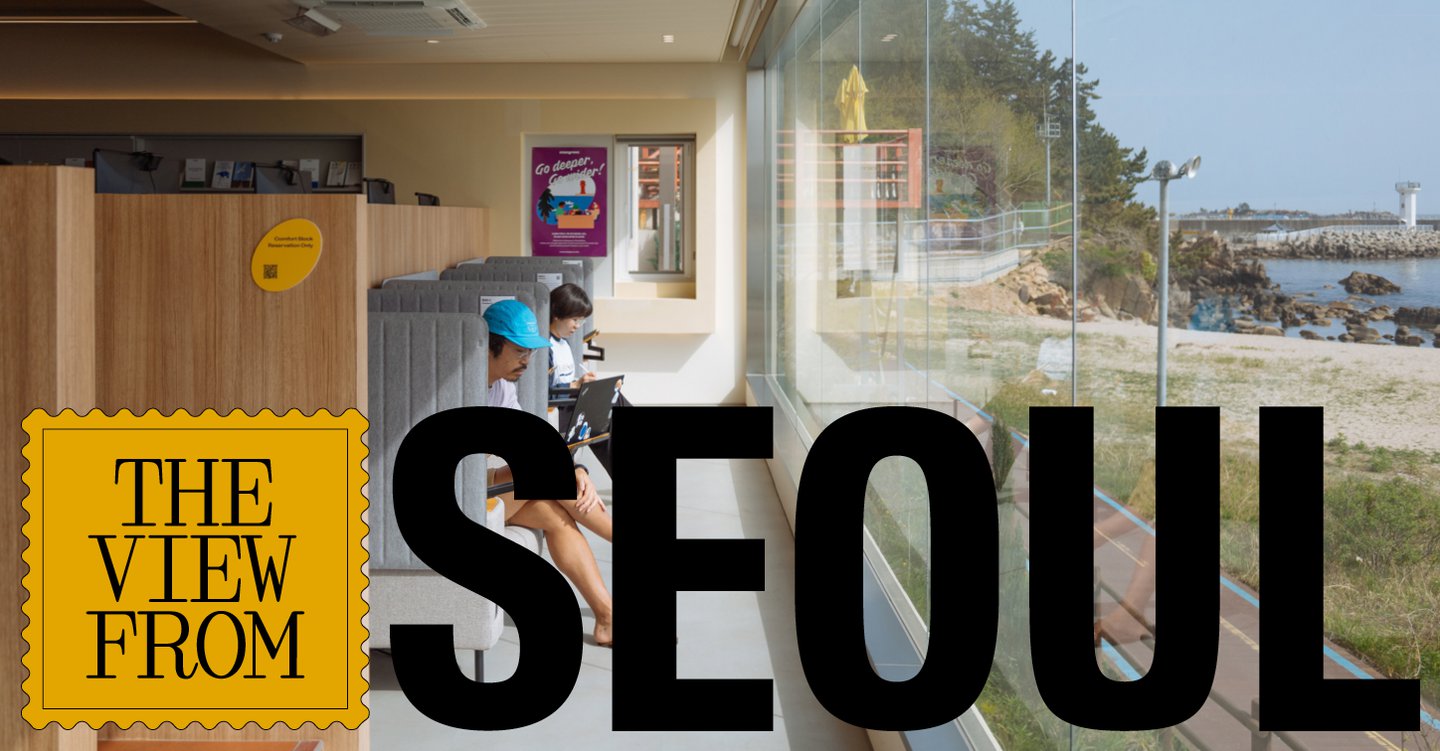
I spoke with a former Local Stitch resident, designer Sang-min Cha, for this piece, and he relates how similar the format of living spaces are to these notorious Korean spaces. Yet despite the cramped quarters of Sang-min’s residence, he did find some real benefits to being a Local Stitch resident. Linked to the brand’s focus on cultural discovery, while living at the Euljiro location Sang-min made a fortuitous connection with a 90-year “camera master”. From this relationship, which was fostered by the location being near an old camera market, Sang-min has developed a deep passion for film photography which nurtures his creative instincts as a UX and graphic designer. He now lives in Amsterdam, but he does credit Local Stitch for providing an accommodating space where he could work his European-based design job, while living in Seoul temporarily. This highlights another key brand message that Local Stitch caters to, the global nomad. The growing accessibility of remote work has shaped a new creature in global society that lauds a lifestyle of travel and adventure, all at the fingertips of a MacBook Pro and strong WiFi connection. Although these roaming gentrifiers have been cautioned in places like Mexico City and Bali, the Korean government seeks to attract more of these “talents” by beginning to offer a digital nomad visa in 2024. Local Stitch directly caters to these types of workers by holding comfortable workspaces as a hallmark of its properties. Sang-min’s studio partner Nicolai also stayed at the Hapjeon location for an extended period and was partly motivated by the location’s work settings. So, it can be summarised that Local Stitch holds two central brand ideas in its operations: work-life-balance through co-working convenience, and localised cultural insights to add tenant value.