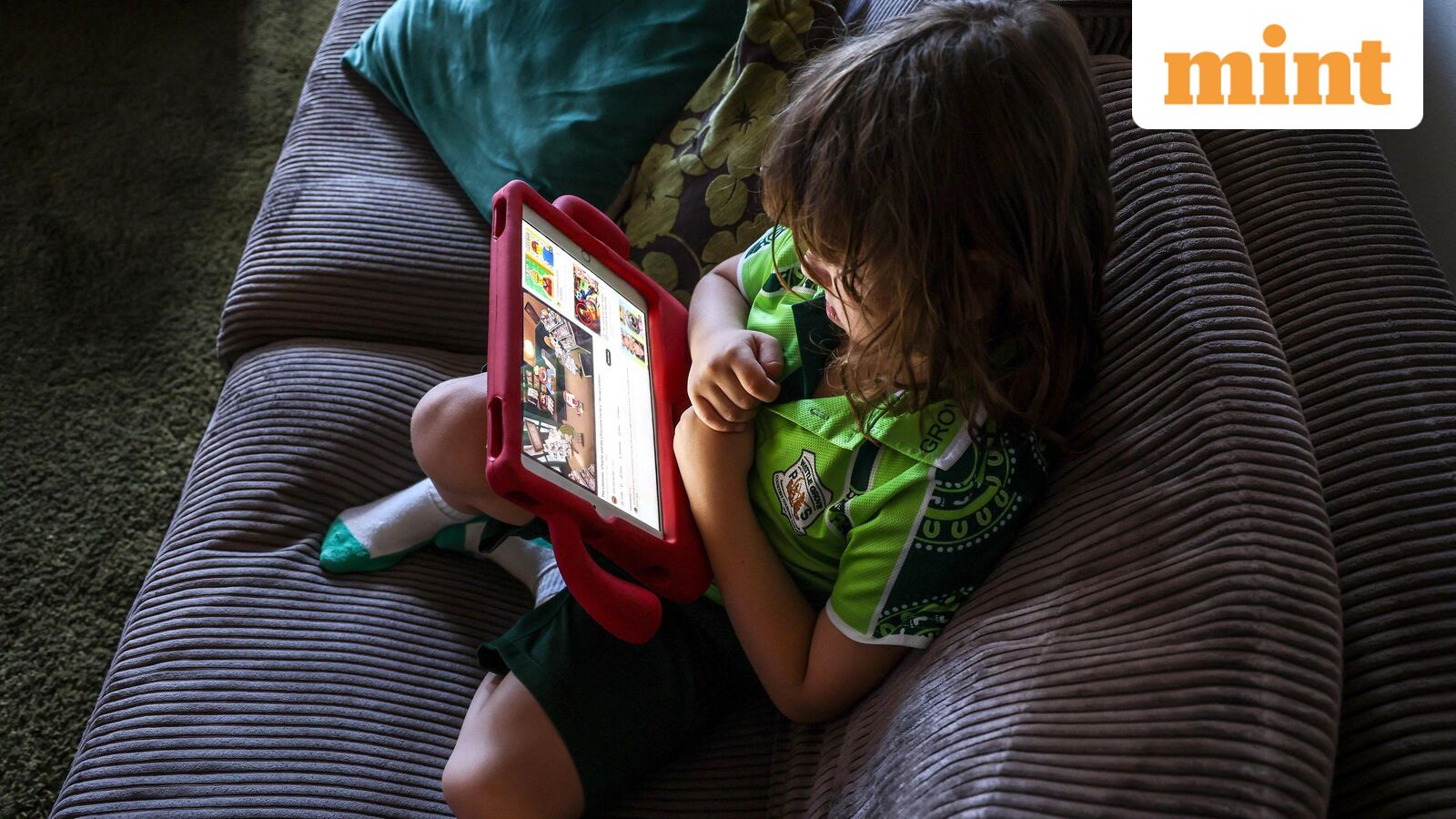
Australia on Wednesday began the first country in the world to put a ban on social media ban for children under 16. Ten of the biggest apps, including including TikTok, Elon Musk’s X, Alphabet’s YouTube and Meta’s Instagram and Facebook, were instructed to block access to the teenagers or face a penalty of up to A$49.5 million ($33 million). But did the Australia social media ban really work?
An estimated one million children have been affected by the new Australia social media ban, with many of them posting goodbye messages on their profiles. “No more social media… no more contact with the rest of the world,” wrote one teen on TikTok.
“#seeyouwhenim16,” said another.
However, the ban was only applicable to 10 of the biggest platforms. A Bloomberg report noted that alternative social media apps have shot up in terms of popularity after the Australia social media app ban.
- Coverstar: Another app that is becoming popular in Australia is Coverstar, which claims it is the “safest alternative” to TikTok for kids between 9 and 16 years of age. “Coverstar is intentionally designed for kids and teens and we keep the environment age-appropriate and safe. Adult, explicit, and sexual content is not allowed on our platform,” it says on its website. Coverstar also has no provision for DMs, resulting in protection from predators.
Meta sounds warning after Australia bans social media
Tech giant Meta on Wednesday said that the Australia ban on social media for under-16s is sending youngsters to less regulated platforms, making them less safe.
“We’ve consistently raised concerns that this poorly developed law could push teens to less regulated platforms or apps. We’re now seeing those concerns become reality,” the platform, owned by Mark Zuckerberg, said in a statement.
Meta said many alternative apps did not offer the same safety features, such as specialised teen accounts, that it had developed.