“There is a premier league of monogamy, in which humans sit comfortably, while the vast majority of other mammals take a far more promiscuous approach to mating,” said Dr Mark Dyble at the University of Cambridge.
In the animal world, pairing up has its perks, which may be why it has evolved independently in multiple species, including us. Experts have proposed various benefits to so-called social monogamy, where mates match up for at least a breeding season to care for their young and see off rivals.
Dr Dyble examined several human populations throughout history, calculating the proportions of full siblings – where individuals share the same mother and father – compared with half-siblings, individuals who share either a mother or a father, but not both. Similar data was compiled for more than 30 social monogamous and other mammals.
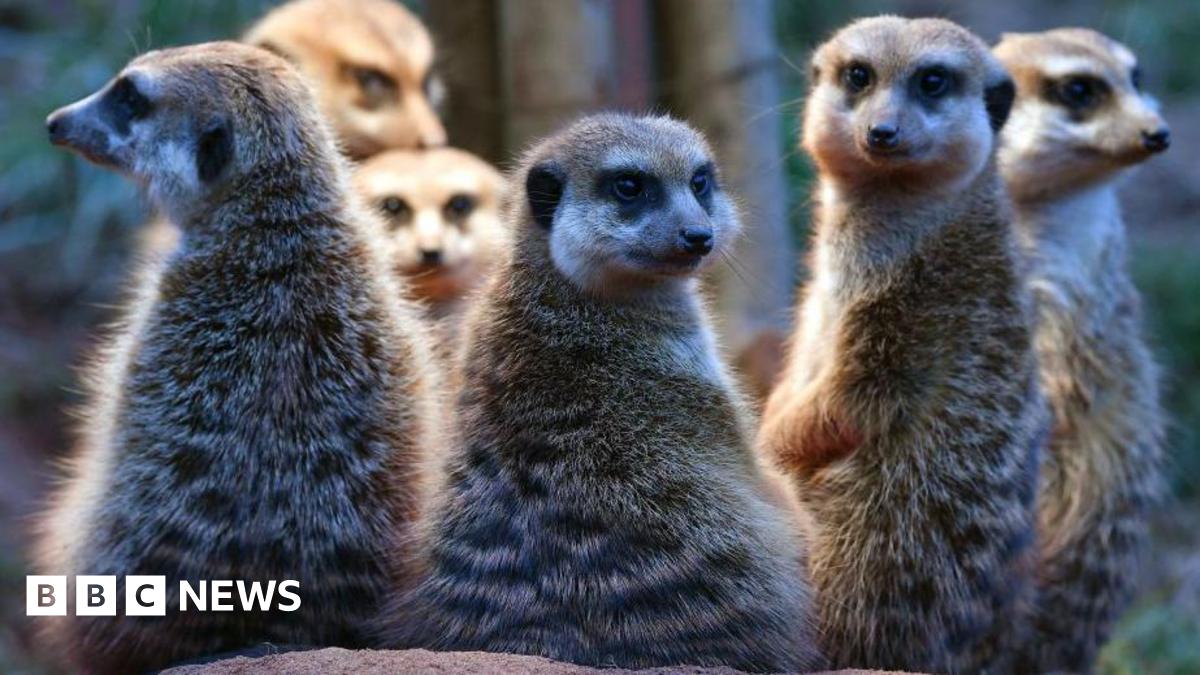
Humans have a monogamy rating of 66% full siblings, ahead of meerkats (60%) but behind beavers (73%).
Meanwhile, our evolutionary cousins fall at the bottom of the table – with mountain gorillas at 6% rating, while chimpanzees come in at just 4% (alongside the dolphin).
In last place is Scotland’s Soay sheep, where females mate with multiple males, with 0.6% full siblings. The Californian mouse came top, at 100%.