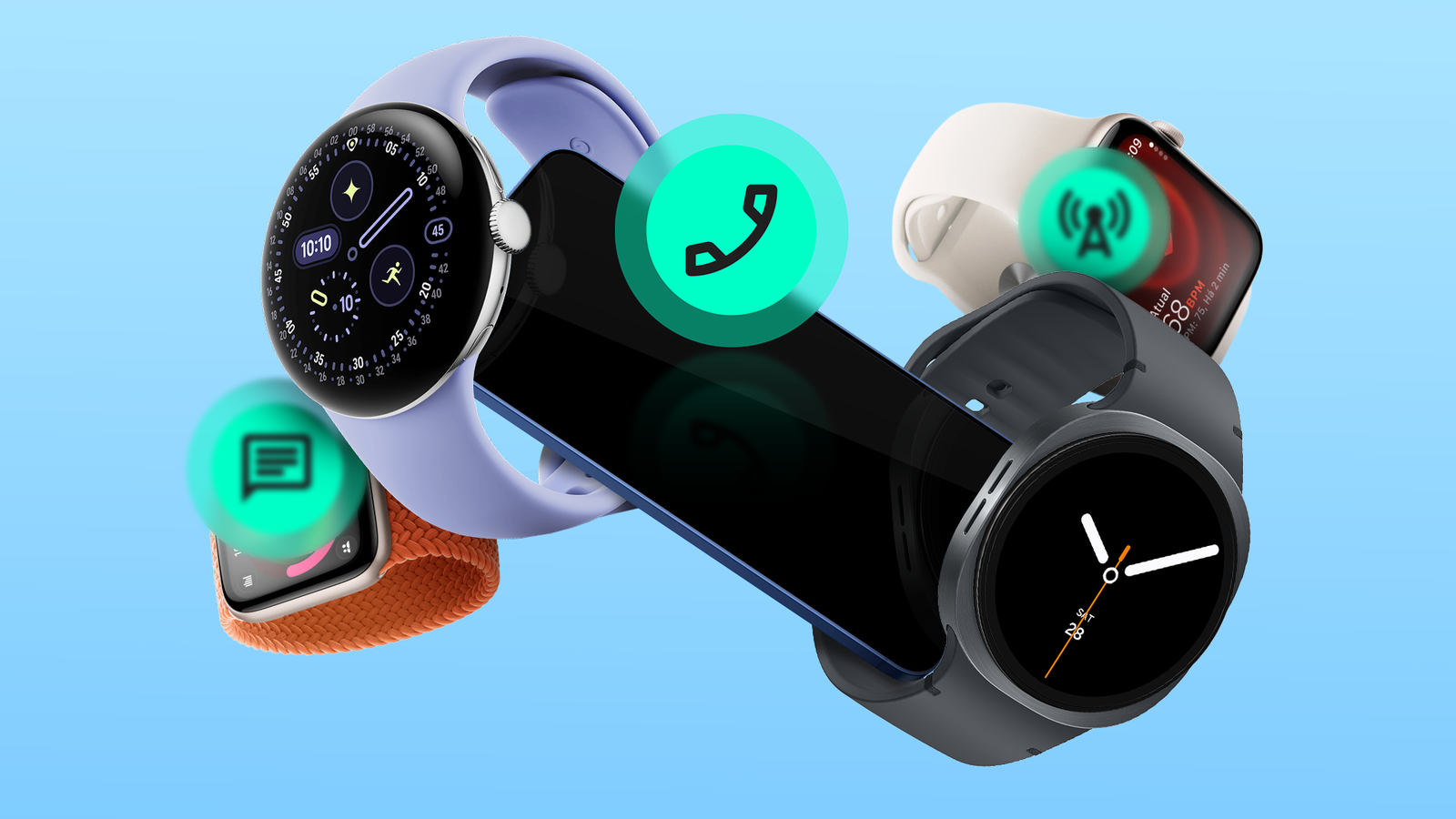
What is a phone? It’s no mystery that the devices we call “phones” today are not primarily used for phone calls. And now that I’ve purchased a smartwatch that can also place calls, isn’t that, too, also a phone?
Modern phones look nothing like the original phones
Language is fluid. When we said the word “phone” in the past, it referred to telephones that could only place calls. These were fiercely mechanical devices. You spun a rotary dial to each digit of a phone number. The call went out over a physical line, which initially wasn’t private. You could hear other people connected to the same line.
By the time I was a kid, rotary phones were phasing out for telephones with buttons you could tap, but these were still clunky products tethered to a wall.
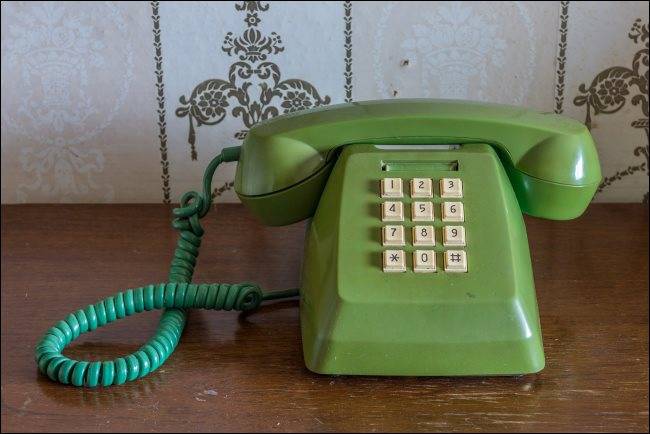
Credit: JoeyPhoto/Shutterstock.com
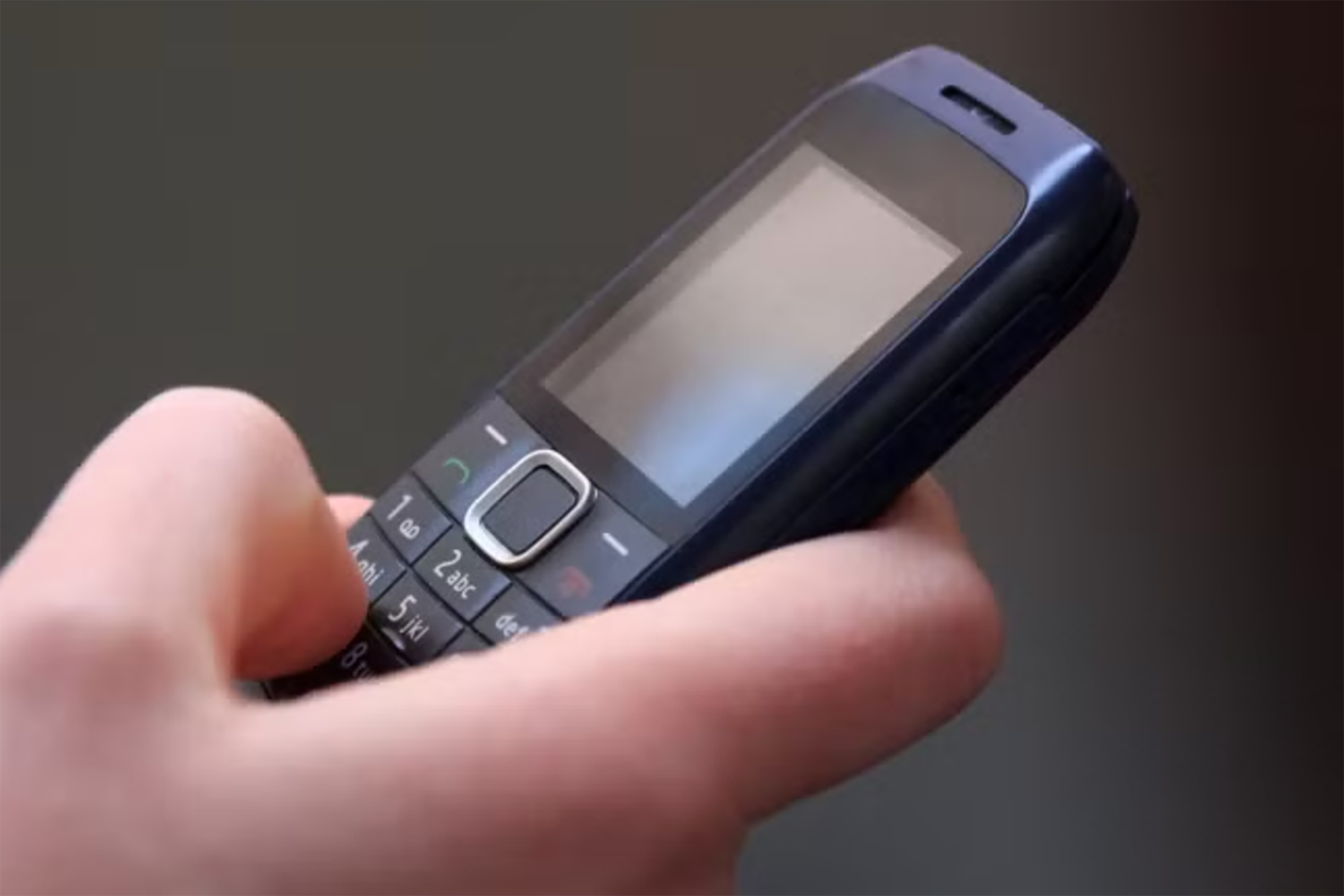
I watched as these phones gradually ditched the cord connecting the receiver to the base. Cordless phones allowed you to walk anywhere within range in the house. Then, mobile phones, also known as cell phones, removed the base entirely. Here were phones you could take outdoors and keep with you at all times.
Cell phones weren’t just for calls anymore, either. These phones could also send texts. For my generation, texting replaced calls as the primary thing we did on our phones.
Credit:
kyrien/Shutterstock.com
Smartphones further distanced phones from calls. Now phones run apps. We use them to browse the web, navigate down country roads, play games, read books, and watch hours of short-form vertical videos. We get irritated when someone calls us out of the blue, making us actually use our phone as a phone. We get even angrier if they have the audacity to leave a voicemail—making us go through the hassle of remembering how to check our voicemail inbox. What does the word “phone” even mean anymore?
The top definition from Google isn’t much help here. There, you’ll learn that phone is a noun defined as “a telephone, mobile phone, or smartphone.”
Looking up telephone instead provides a more helpful definition:
“an instrument used as part of a telephone system, typically a single unit including a handset with a transmitting microphone and a dial or set of numbered buttons by which a connection can be made to another such instrument.”
But that definition doesn’t merely apply to a smartphone. It now applies to the device on my wrist.
My smartwatch can now place and send calls
I recently made the leap from a Wi-Fi Samsung Galaxy Watch 6 to an LTE Galaxy Watch 8. This was the smartwatch upgrade I didn’t know I needed. My watch no longer needs to be near my phone to keep me informed of incoming calls or texts. In fact, my smartphone doesn’t even need to be turned on. I can leave my phone indoors and bring only my watch as I go to the store without losing the ability to phone my wife and double-check if there’s anything else I need to add to the grocery list.
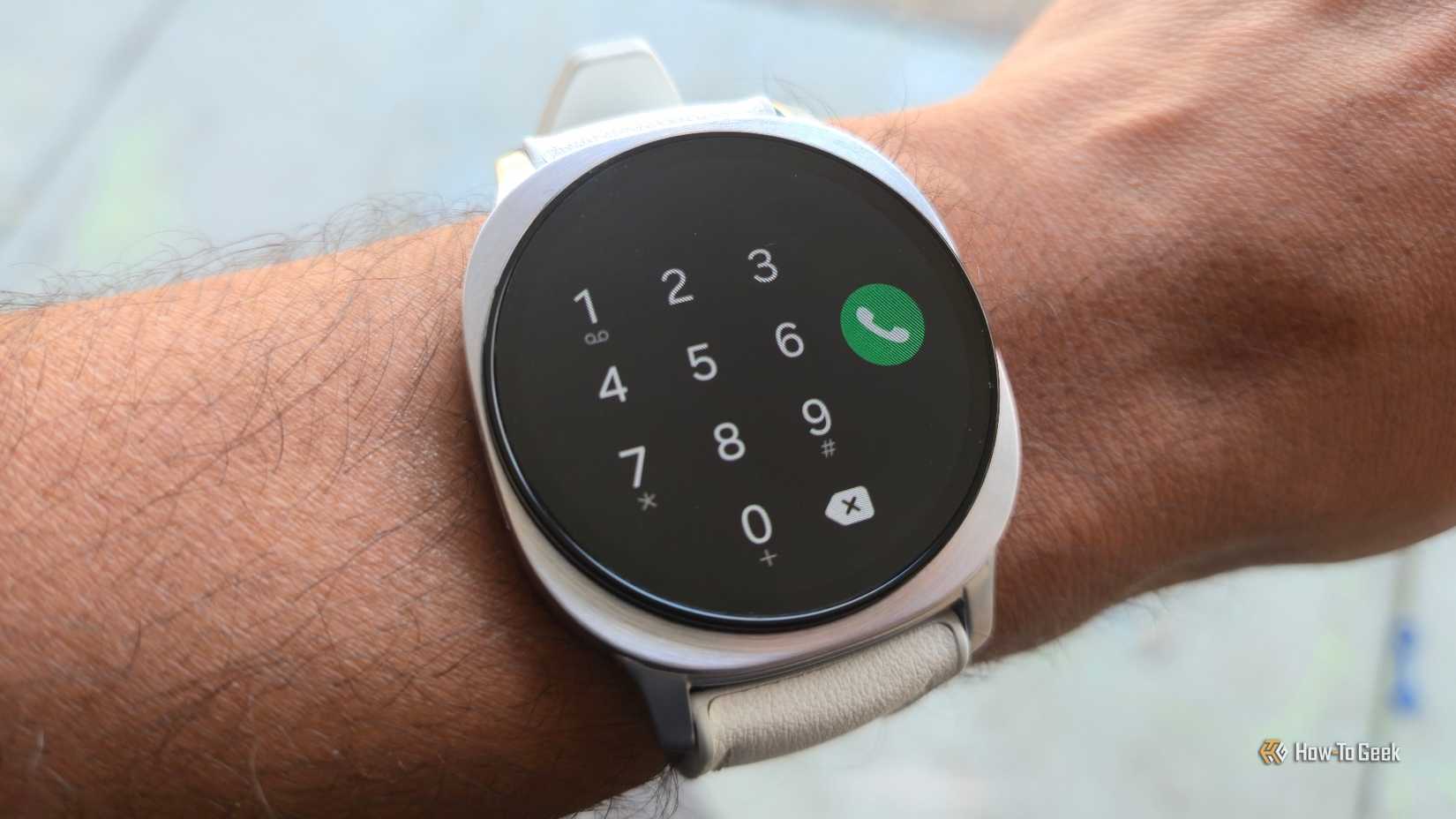
Credit: Bertel King / How-To Geek
When I’m talking via my watch, I can either use the speakerphone or connect Bluetooth earbuds. Admittedly, if I don’t have buds on me, there’s no discrete way to carry out a call. While this is a downside, it’s a minor one. I consider holding my phone to my ear an act of last resort. I already default to earbuds and switch to speaker if I’m home alone. Holding the phone to my ear is a backup, and even then I tend to ask people to hold on while I go grab my buds. I largely talk via my watch the same way I use my phone.
What makes a phone a phone?
I wonder if my kids will even have the same association between phones and calls. For them, phones are what we reach for when we want to listen to podcasts and music. We pull them out when we want to know the weather outside, and they’re how we keep track of our daily schedules. We use them to set timers when brewing tea.
A smartwatch is just as capable as a phone at all of these tasks. The biggest distinction has little to do with voice calls and everything to do with screen size. Watches aren’t as good for browsing the web or scrolling through vertical video, but is that what makes a smartphone a phone? If it is, well, I just bought a VR headset that does the same things using the same apps. With most of the screens in my life running Android, the line between each is increasingly blurred. Galaxy XR is only a SIM card away from being my third phone—and I can already download a VoIP-based dialer if I really wanted to place calls directly from this device as well.
My Galaxy Z Fold 6 and my Galaxy Watch 8 are both capable of placing phone calls and sending texts. They may still be tethered together, but it no longer feels like I only have one phone. If I leave my Z Fold 6 at home but tell my family that I still have a phone on me if they need to reach me, it wouldn’t be a lie.