Rapid spread of disease and record-breaking heat
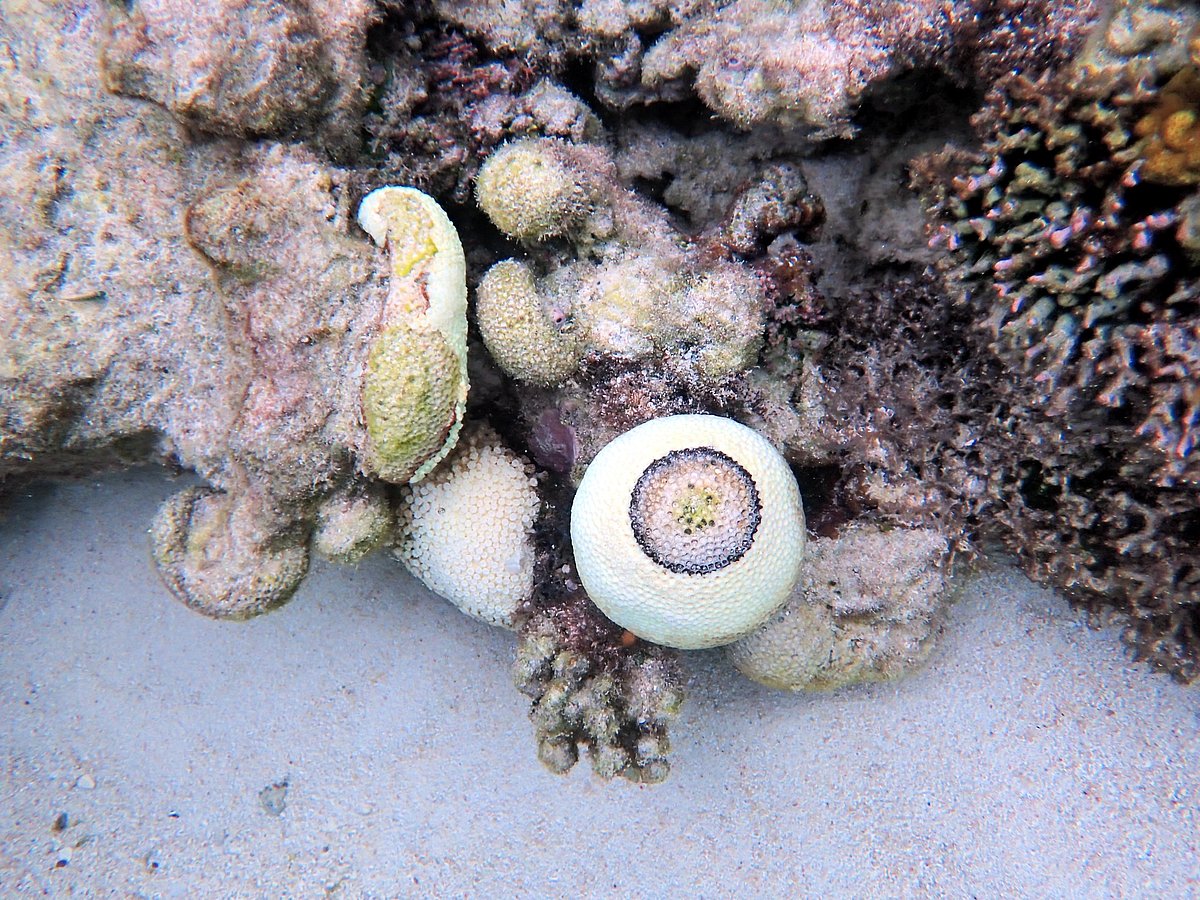
Black band disease, common in the Caribbean but historically rare in the southern Great Barrier Reef, appeared in a few colonies in February 2024. By April, 61 per cent of bleached colonies were infected, and the disease spread in an epizootic-like manner, the authors noted.
Population surveys of more than 700 Goniopora colonies revealed the same pattern: widespread bleaching, rapid disease progression and high mortality. The disease occurred only on corals that had bleached.
Temperatures at OTR between December 2023 and February 2025 were extreme, with mean, minimum and maximum daily temperatures above 28 degrees Celsius (°C), 29°C and 30°C respectively. During the bleaching event, water temperatures exceeded 28°C for 74 consecutive days. Temperatures were above 29°C for 21 days in January-February 2024, and peaked at 34-35°C during the year.
Researchers noted that while BBD is often associated with pollution and nutrient loading, OTR’s offshore location means it is largely sheltered from such coastal stressors. Although the lagoon can experience slightly elevated nutrient levels, Goniopora corals are typically found on turbid inshore reefs, making this an unlikely trigger.
“Rather than recovering from bleaching as the water cooled, as might be expected if temperature was the main stressor, survival plummeted. Clearly, BBD was a major driver of mortality as the aggressive black band invaded the tissue,” the scientists concluded.
Surveys in the northern Great Barrier Reef during 2024 recorded very low BBD incidence, affecting only 1-2 per cent of Acropora and Montipora corals, with no coincident bleaching.
“The question arises as to why this relatively rare coral disease appeared in the Goniopora colonies at OTR. No other coral genera that bleached in the 2024 event at OTR developed the disease,” researchers wrote.