Composition is not a set of laws, and treating it like one makes your frames timid. If you want images that feel alive, you need options that go beyond placing a subject on a grid.
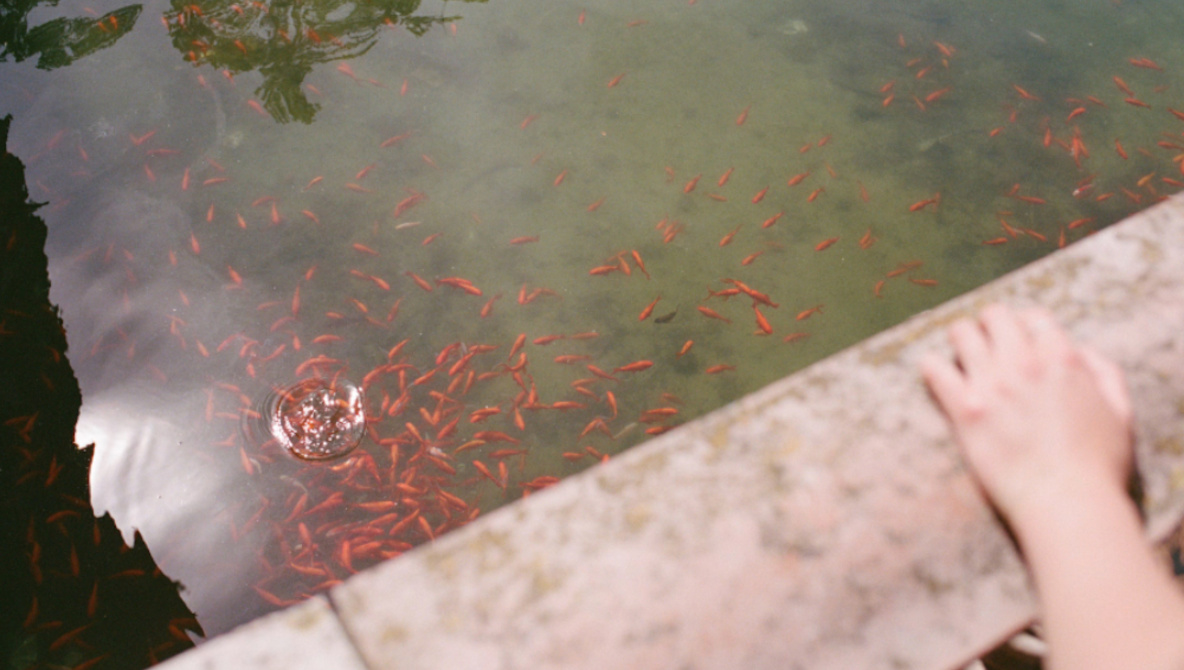
Coming to you from Max Kent, this opinionated video argues that most “rules” work better when you treat them like tools you can pick up or drop. Kent starts by challenging the usual advice you hear about classic guidelines, then quickly moves into approaches that create tension and curiosity. One of the first ideas is “disembodied subjects,” which is exactly what it sounds like: you show only part of someone or something instead of the full figure. A cropped arm, a leg, or even an animal’s hooves can pull attention harder than a complete portrait when it’s done with intent. It also forces a question into the frame, like what the person is reaching toward or what just happened outside the border.
Kent builds on that with “relationships,” meaning the way two elements in the frame change each other’s meaning. He describes a scene where a partial subject and a splash in water suggest one story, then another detail reframes the cause of the splash. That’s the point: the photo stops being just a record of objects and turns into a small problem the viewer tries to solve. If you ignore relationships, you end up with frames where everything sits next to everything else, and none of it connects. If you learn to notice relationships, you start catching accidental implications too, like a background shape that makes a gesture look aggressive when it wasn’t.
He uses an example of photographing the Golden Gate Bridge through a broken chain-link fence, not as a flex, but as a straightforward way to show framing and foreground. The fence becomes structure, depth, and context in one move. Kent also points out you can “frame” without making a neat border, like using a large out-of-focus wall or shadow as negative space that presses attention onto the subject. That kind of choice can make a common location feel less like a postcard and more like a moment caught from a specific position, especially when the foreground is imperfect.
From there, Kent introduces what he calls the “extra element,” the thing you didn’t plan but you can prepare to catch. He talks about making an image at blue hour that looks good on its own, then waiting for a car to add movement and a different mood. That idea sounds simple, but it changes how you shoot: instead of taking the frame and leaving, you hold your ground and watch for the next layer. He extends the same thinking to places that get photographed constantly, where a single person doing something slightly odd can shift the entire meaning of the scene. Check out the video above for the full rundown from Kent.