About this report
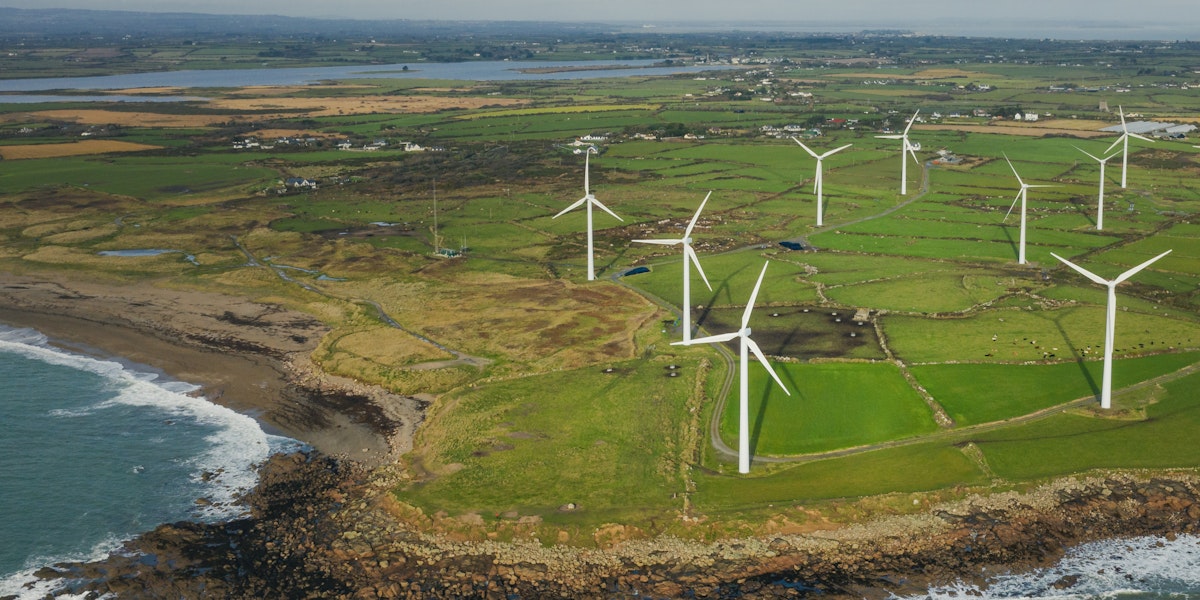
Ireland has emerged as a frontrunner in integrating wind power, which supplied around a third of its electricity in 2024. As this power system transformation continues, electricity is set to be the backbone for achieving Ireland’s climate, energy and socio-economic ambitions, making electricity security critical to realising progress in key areas including housing, digital infrastructure, transport and heat. Going forward, Ireland faces strategic choices on how to align its ambitions while ensuring secure electricity supply to 2035.
This report assesses the outlook for Ireland’s energy security to 2035, drawing on international experience and detailed power system modelling developed with EirGrid, Ireland’s transmission system operator. The Adapted Transition Pathway illustrates how climate, energy and socio-economic goals align around the electricity system, potentially doubling demand and requiring faster infrastructure delivery and deployment of renewables. We find that there is a clear need to establish a unified cross-sectoral energy strategy to set a vision that guides this transition, supported by a detailed security study on the electricity supply mix.
The analysis sets out five pillars for policy action: Establishing a cross-sectoral energy security strategy for the 2030s; delivering the enabling infrastructure to accommodate the growth of electricity demand and supply; accelerating the delivery of generation capacity, storage and demand-side flexibility; enabling secure system operation under high renewable penetration; advancing workforce skills, strengthening partnerships and facilitating electrification. Ireland can build on its progress in power system transformation to set an example of secure integration of large shares of variable renewable generation while safeguarding energy security.