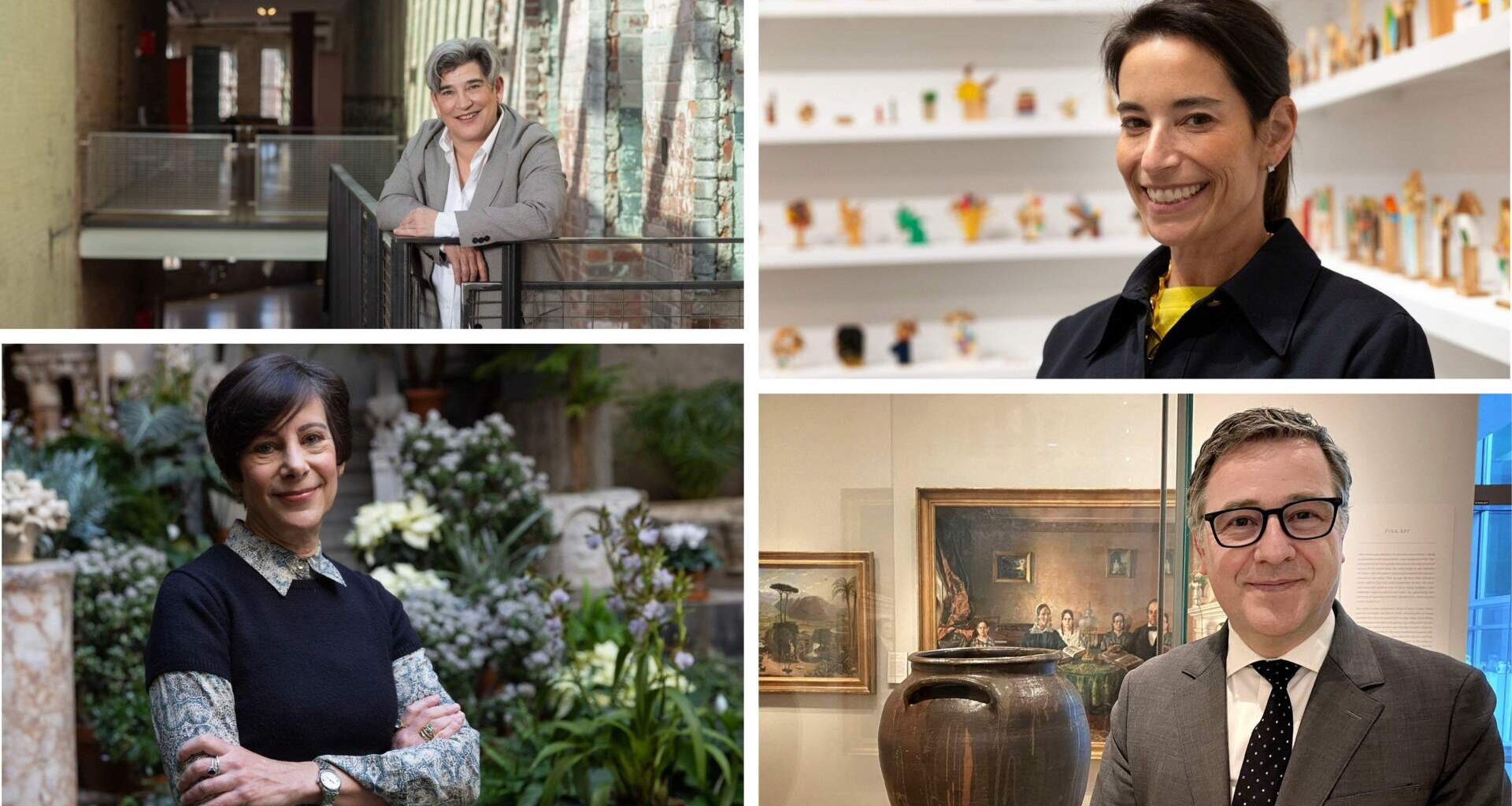
Boston’s Institute of Contemporary Art was open late on a recent December night for its popular First Friday series. A DJ was spinning disco tunes in the lobby, while dolled-up guests rubbed shoulders at the bar and perused the galleries upstairs. To all appearances, it was a triumphant cap to 2025.
The reality is more complicated.
“In terms of what’s happening in the larger context of museums in this country, this has been an extremely tumultuous year,” said ICA director Nora Burnett Abrams. “And that’s probably an understatement.”
Like many museum leaders, Abrams has been closely watching the Trump administration’s efforts to influence programming and what is displayed at the nation’s cultural institutions. The government has taken aim at diversity, equity and inclusion, among other politically polarized issues, and revoked millions of dollars from arts organizations around the country. In Massachusetts, dozens lost federal grants.
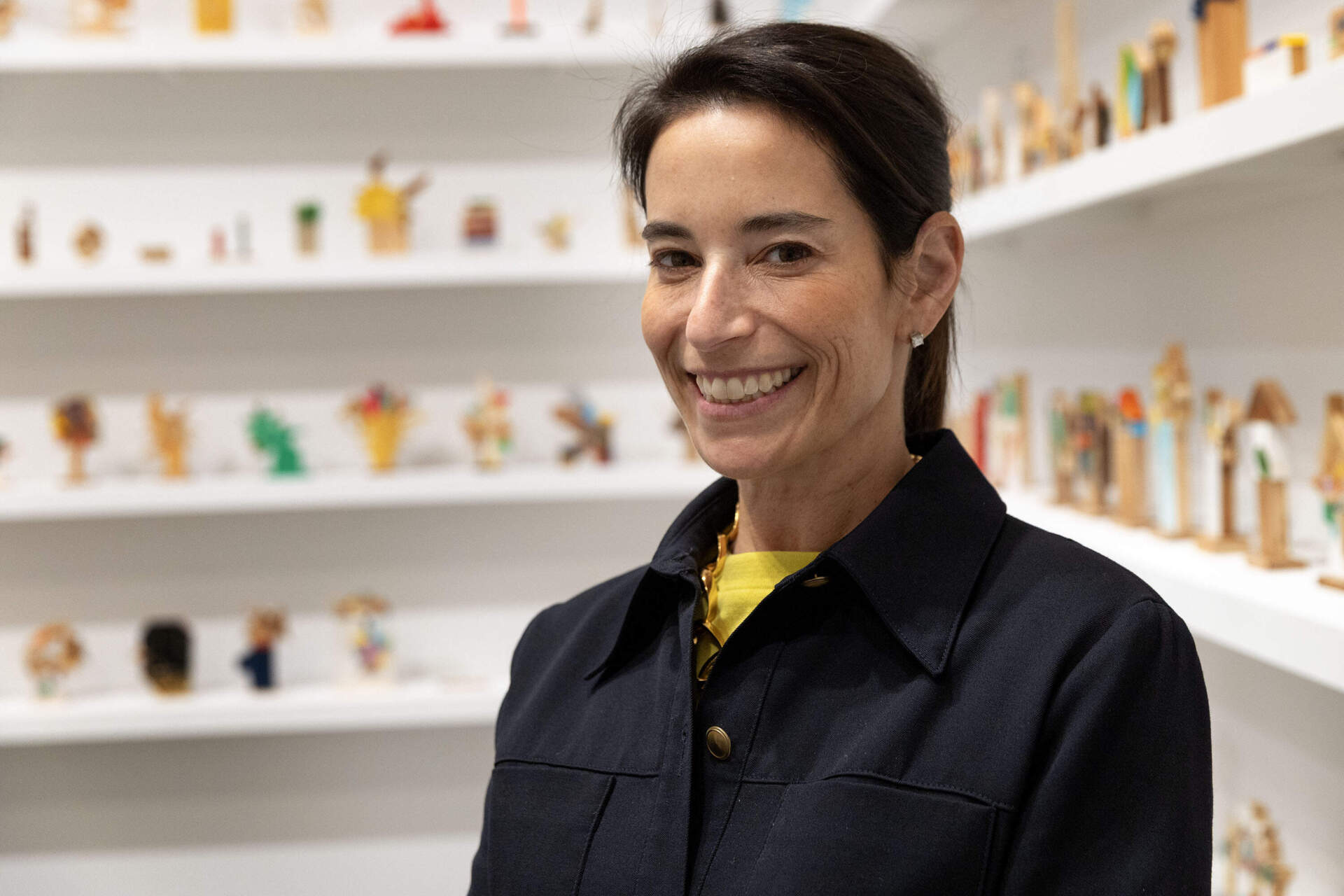 ICA director Nora Burnett Abrams in a gallery lined with small sculptures by Milton artist Damien Hoar de Galvan. (Robin Lubbock/WBUR)
“The gravest threat that has emerged, in my opinion, is the culture of uncertainty,” Abrams said. “ Whether it’s artists who are put in more vulnerable situations, whether it’s our community partners who are not able to deliver their mission because they’ve lost funding, or whether it’s the museum itself because there’s some executive order that is really trying to mandate the content that we can produce and share.”
In its annual report, the American Alliance of Museums found that one-third of the 511 responding museums had lost government grants or contracts. In August, the White House announced a wide-ranging review of Smithsonian exhibitions and published a list of the content it found objectionable. That same month, President Trump wrote on his Truth Social platform that he had instructed his attorneys to “go through the Museums, and start the exact same process that has been done with Colleges and Universities.”
It all adds up to a “chilling effect” on museums, said AAM president and CEO Marilyn Jackson.
“Museums are beginning to look at their programs and policies and saying, ‘Is this in line with the administration? Should I be doing this? Should I not be doing this?’” she said.
The ICA found itself asking similar questions after it received a $60,000 grant from the National Endowment for the Arts to support “An Indigenous Present,” an exhibition of abstract work by Indigenous artists that opened in October. Museum leadership worried that accepting the grant would invite increased scrutiny of the ICA; an Aug. 7 executive order tightening oversight of federal grants affirmed those concerns. In the end, the museum made the unusual decision to decline the money.
“ We just felt that we didn’t want to be bound by certain expectations,” Abrams said.
The ICA wasn’t the only Boston art museum to make that choice.
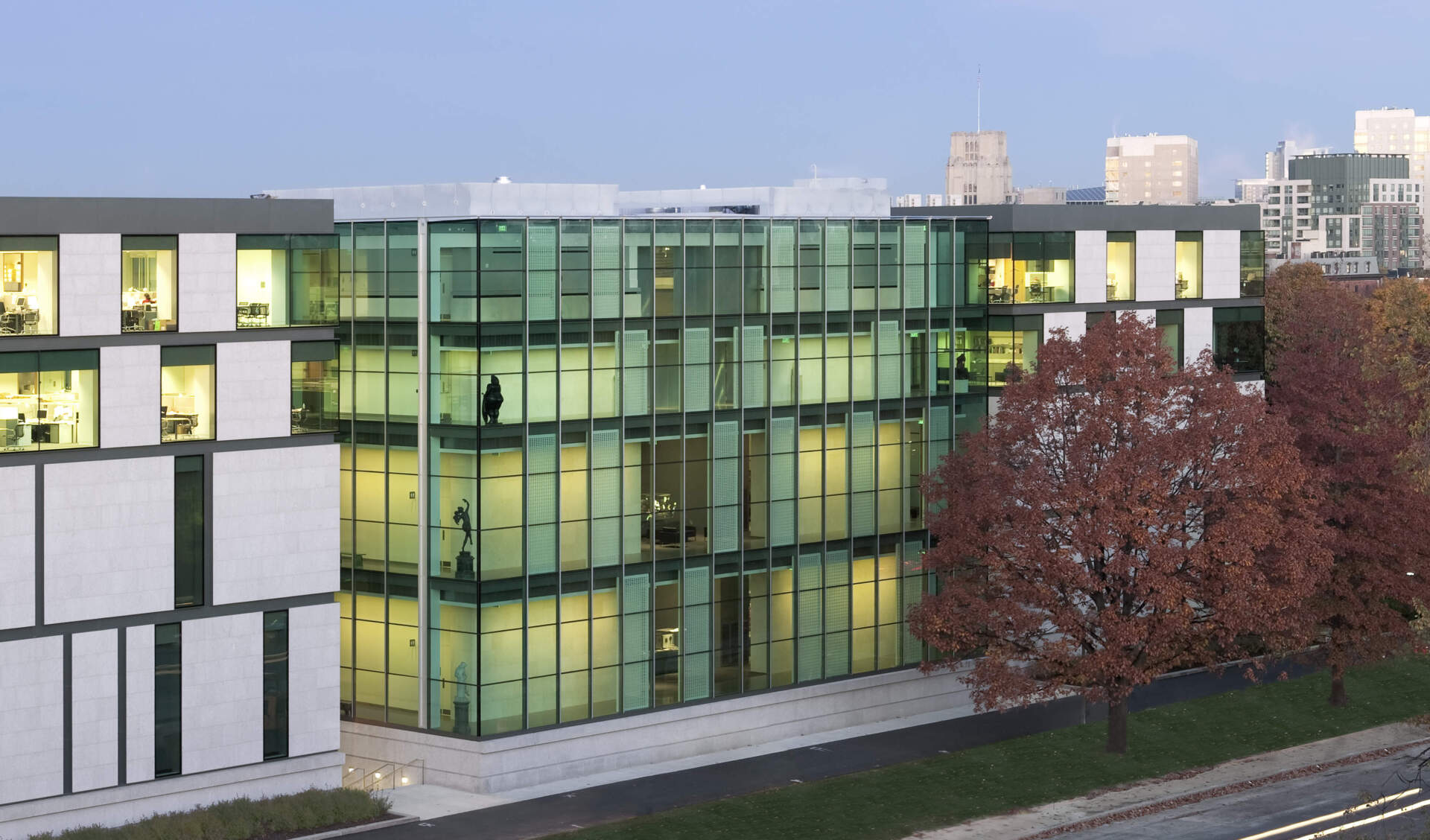 An exterior view of the MFA’s Art of the Americas wing. (Courtesy Museum of Fine Arts, Boston)
The Museum of Fine Arts, Boston turned down $400,000 from the National Endowment for the Humanities this year. Director Pierre Terjanian explained that accepting federal funding would require his institution to sign a certificate of compliance. “It’s not quite clear what, exactly, we have to comply with,” he said.
The document’s broad language regarding DEI and other loosely-defined parameters were some of the reasons why Terjanian turned down the grant. The money was awarded to help mark next year’s 250th anniversary of the Revolution with a massive reinstallation of the MFA’s Art of the Americas wing.
The redesigned displays will include new narratives and acquisitions that “feature different perspectives on the question of American identity and on what the Revolution has accomplished,” Terjanian said. “And even though the grant was obtained on those terms, we’d rather keep a free hand in what story we want to present to our public. We are not changing our programming or interpretation in return for funding if that were to be transactional.”
The MFA also declined an NEA award of $50,000 for its exhibition about pioneering 17th and 18th-century Dutch painter Rachel Ruysch.
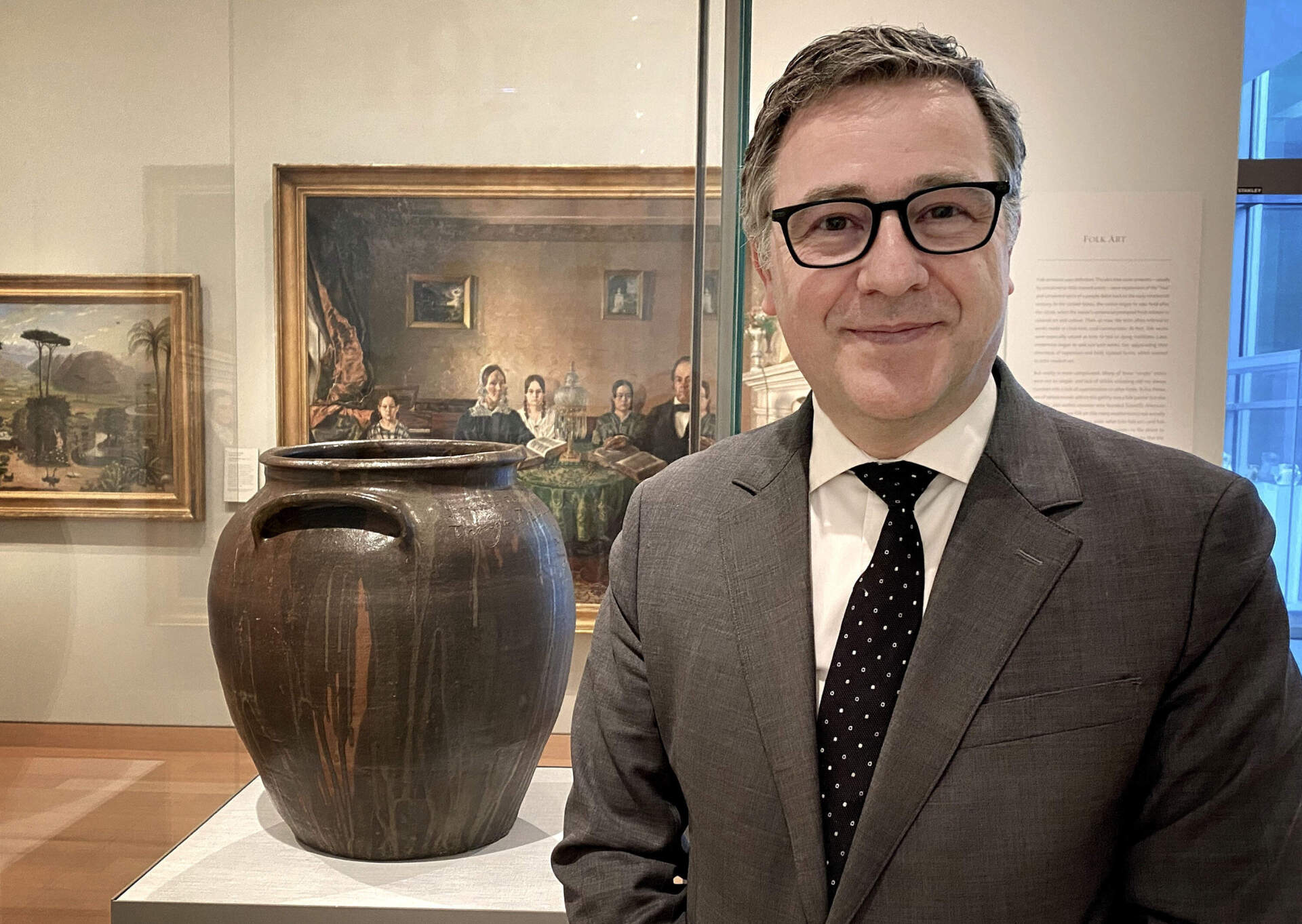 MFA director Pierre Terjanian standing next to a pot made by Dave Drake in the museum’s Art of the Americas wing. (Andrea Shea/WBUR)
What’s at stake for Terjanian is his museum’s independence, along with its accountability to audiences, the MFA’s Board of Trustees and donors. He acknowledged being in a position to decline federal grants is “the silver lining of being an institution that receives very limited government funding.”
But the MFA is tightening the belt on costs in the face of overall economic uncertainty. The museum is scaling down some projects and cutting back on expensive loans for future exhibitions. “This is not a time to go wild,” Terjanian said.
The director is also seeking additional private funding to help balance the MFA’s $100 million-dollar budget. Nearly half of the museum’s revenue is driven by philanthropic giving.
According to the AAM report, a shifting donation landscape is the biggest concern among museum directors. In 2026, competition for dollars could get fierce.
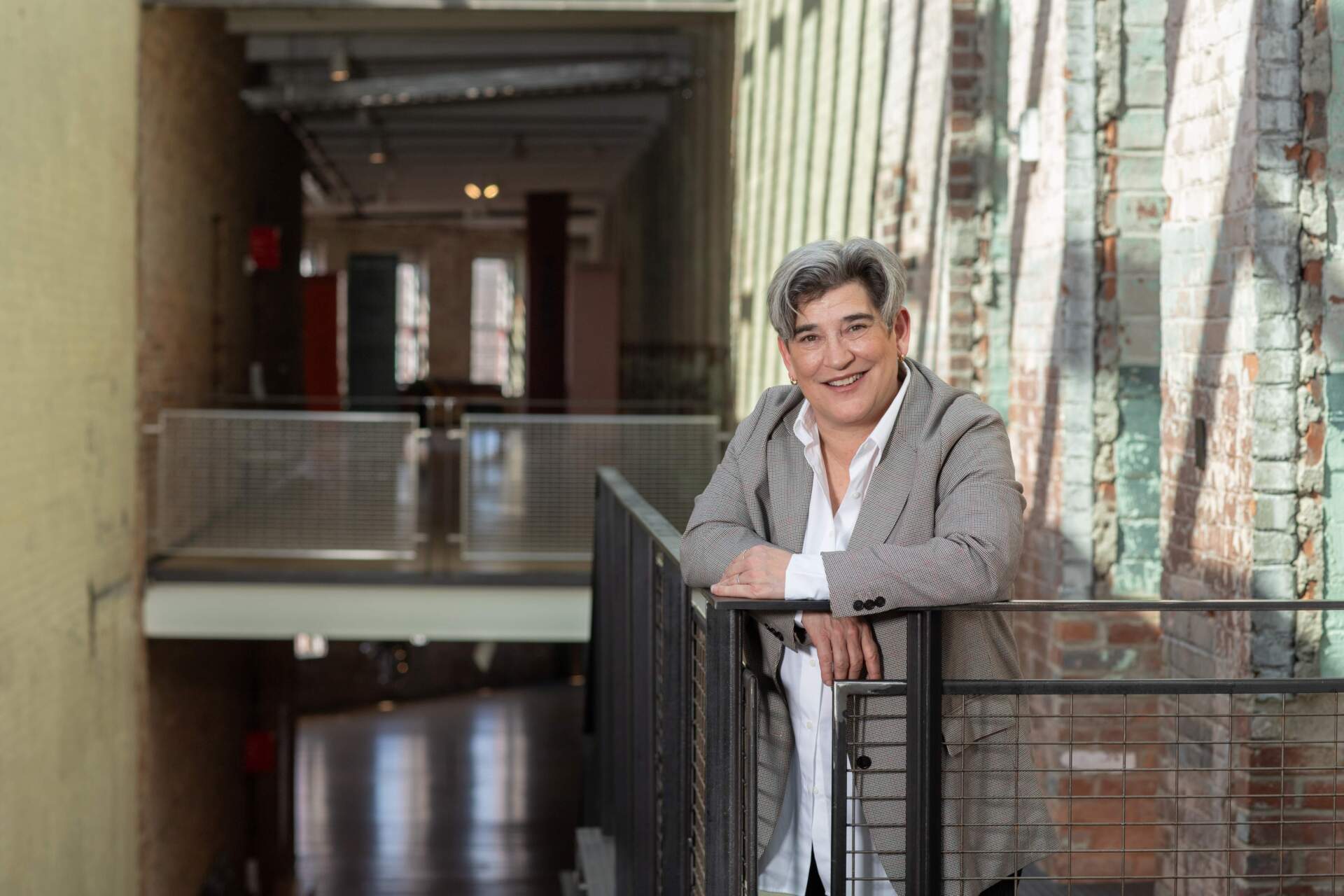 Kristy Edmunds, director of MASS MoCA. (Courtesy Greg Nesbit)
“When you have your government partner pulling out of the deal, your private philanthropy has to make up for it,” explained Kristy Edmunds, director of the Massachusetts Museum of Contemporary Art in North Adams. Her organization — like so many others across the country — experienced federal funding chaos earlier this year.
“One of the big flashpoints,” Edmunds said, “was when we started receiving termination letters from the White House administration agencies.”
The NEA informed MASS MoCA it was cancelling a $50,000 grant for an immersive exhibition by queer, indigenous artist Jeffrey Gibson. It stated the agency’s updated grantmaking policies would be reallocating federal funds to projects that align with the Administration’s agenda. (The NEH and Institute of Museums and Library Sciences also revoked grants from MASS MoCA).
The loss of government support has caused financial and emotional stress, but Edmunds is proud Gibson’s celebratory show, “Power Full Because We’re Different,” is still going strong at the museum.
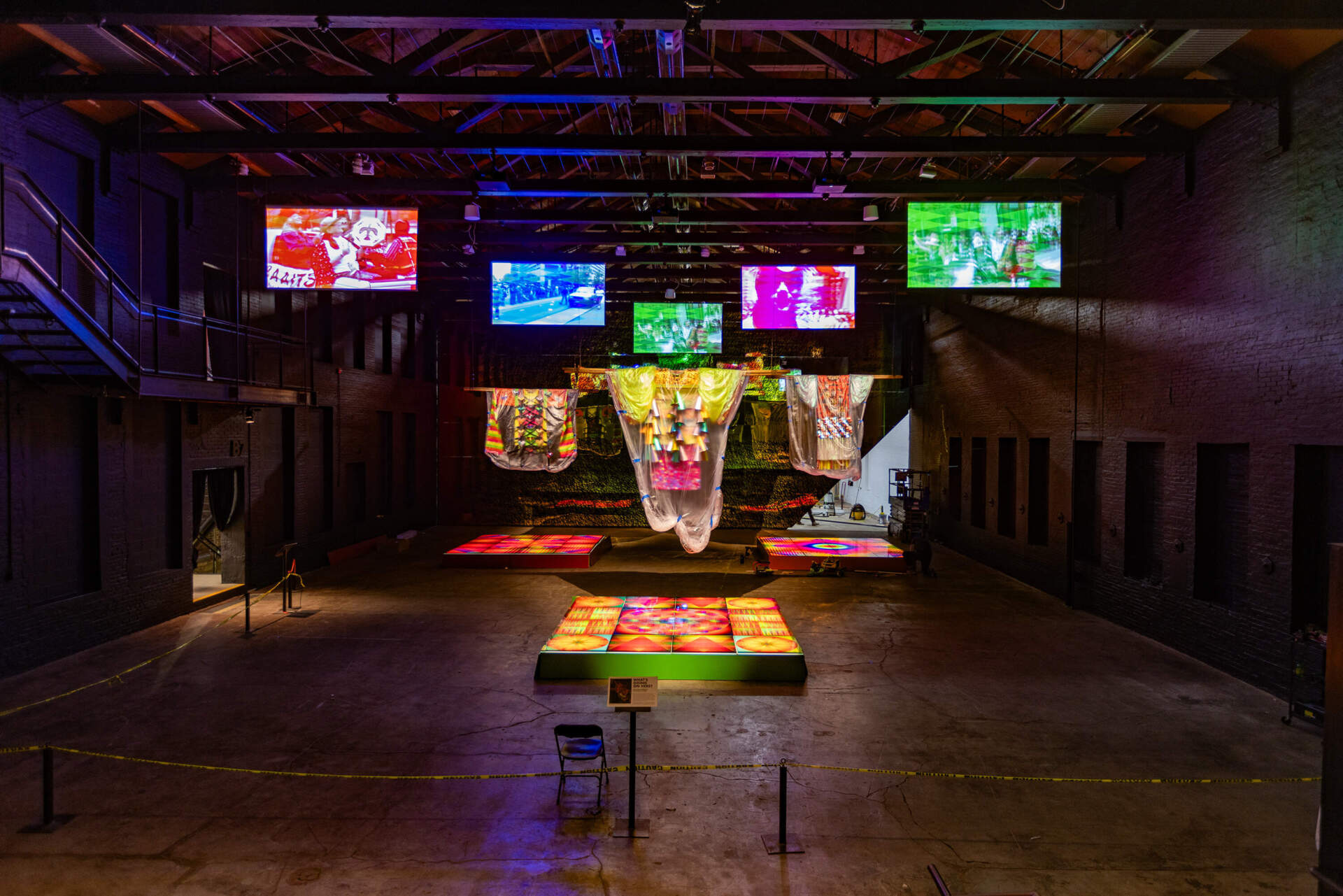 The front gallery, “Your Spirit Whispers in My Ear,” of Jeffrey Gibson’s exhibit “Power Full Because We’re Different” in the largest space at MASS MoCA. (Jesse Costa/WBUR)
“You can tinker around with money, but the fundamental point is the upholding of a public promise to an artist, to a creative and to be an organization and institution that’s reliable for people,” she said. MASS MoCA is not just an art museum, Edmunds added, “We’re an economic anchor for this community.”
Looking ahead, Edmunds said her institution will not waver on pillars of its mission, including diversity, equity, access and inclusion.
“These are values and they are principles,” she said. “MASS MoCA totally recognizes the dignity of all people, the intrinsic value of every human being.”
Isabella Stewart Gardner Museum director Peggy Fogelman echoed that sentiment.
“We’re really talking about ethics. We’re really talking about fairness,” she said, adding that the ability to “ unearth new narratives or to bring attention to marginalized stories and histories when they’re being downplayed or erased in other places is integral to how we define our mission.”
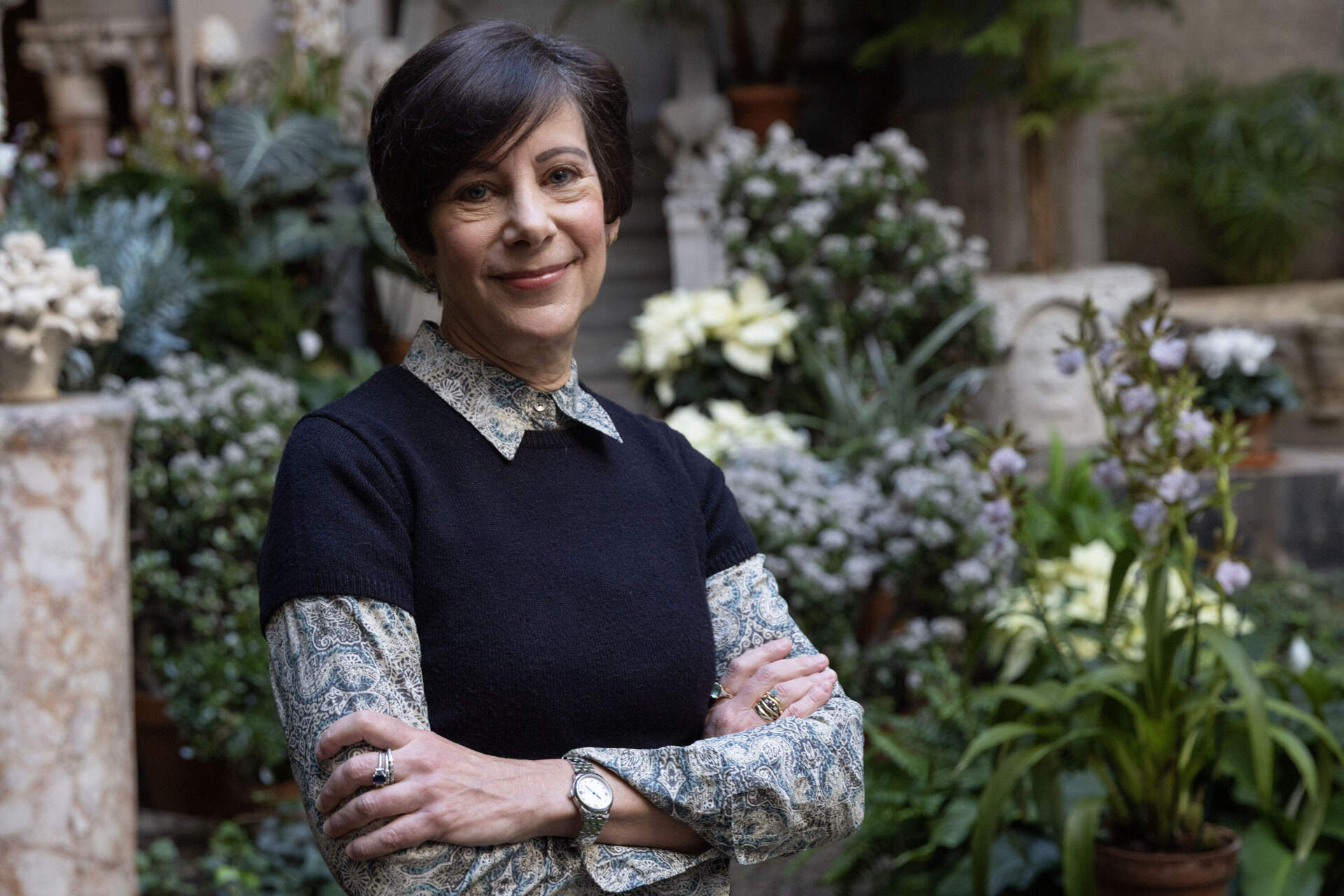 Peggy Fogelman, director of the Isabella Stewart Gardner Museum in Boston. (Robin Lubbock/WBUR)
The Gardner is doing well by many metrics, including attendance, which has surpassed pre-pandemic levels. (MASS MoCA, the MFA and ICA also reported rebounding visitation for 2025.) But Fogelman sounded a note of caution about the potential for an economic downturn — and for the possibility that changing social norms could make the museum’s job harder.
“What I personally have found to be the biggest challenge is the shift from civic discourse to polemic,” she said. “I think we’re losing the skill of respectful dialogue.”
Fogelman has been disappointed to see the culture move away from the sense of empathy the Gardner tries to cultivate.
“That concept of empathy has been characterized by some of our politicians as a weakness,” she said. “And in fact, it’s a huge strength and it’s vital to thriving communities and to the pluralism that feeds functioning democracies.”
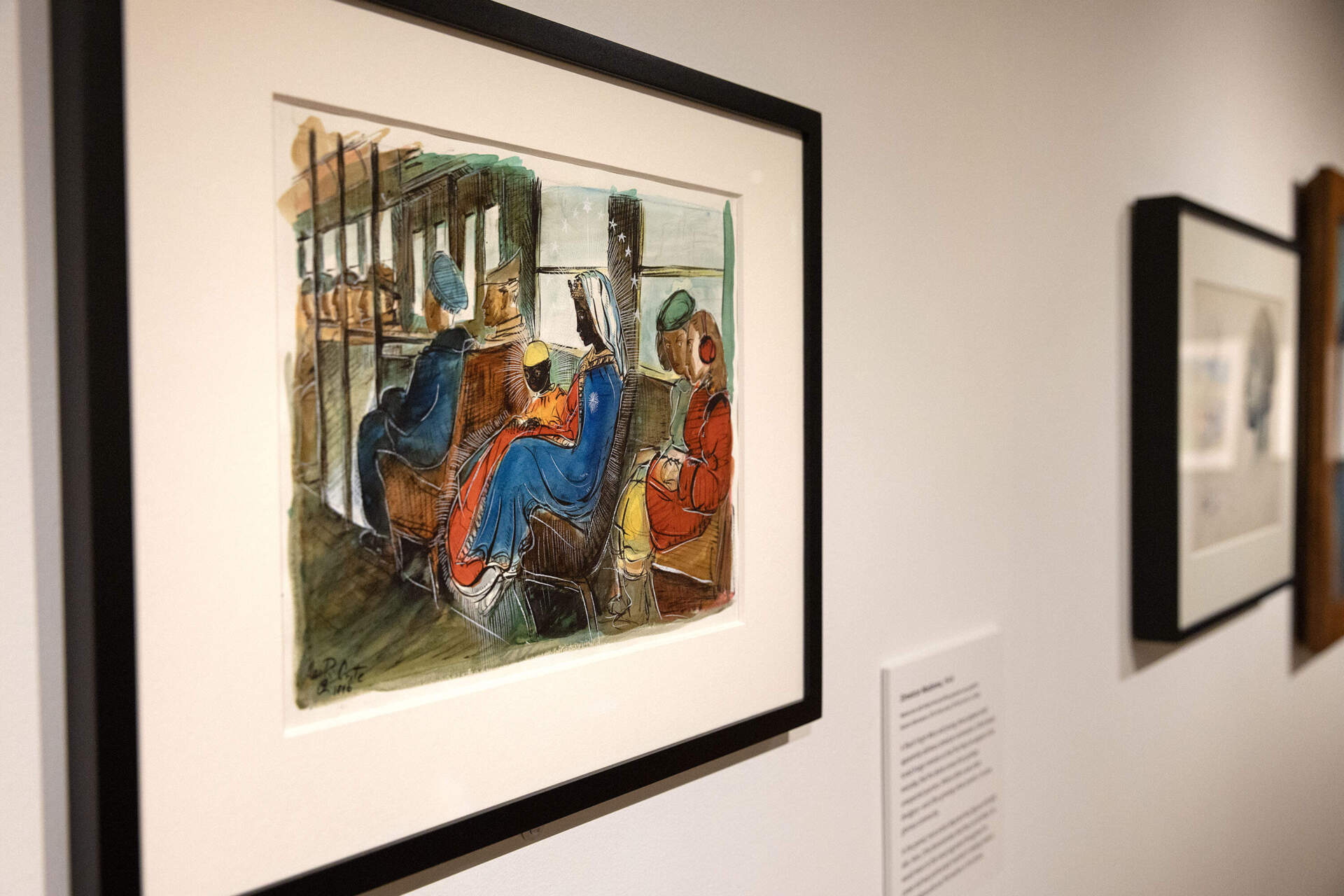 Allan Rohan Crite’s painting “Streetcar Madonna” depicts a black Madonna and child riding a Boston streetcar, at the Isabella Stewart Gardner Museum. (Robin Lubbock/WBUR)
Abrams, Terjanian and Edmunds echoed the belief that art museums have a role to play in bridging differences and fostering dialogue. Museums, they said, can also be places of respite for their communities.
“ I think the bravest thing that an organization can do right now is be committed to what it’s committed to and stay true to that,” Abrams said. “Be unwavering in why we exist, in the purpose of why we are here.”
And, she added, they need to prepare for whatever lies ahead.