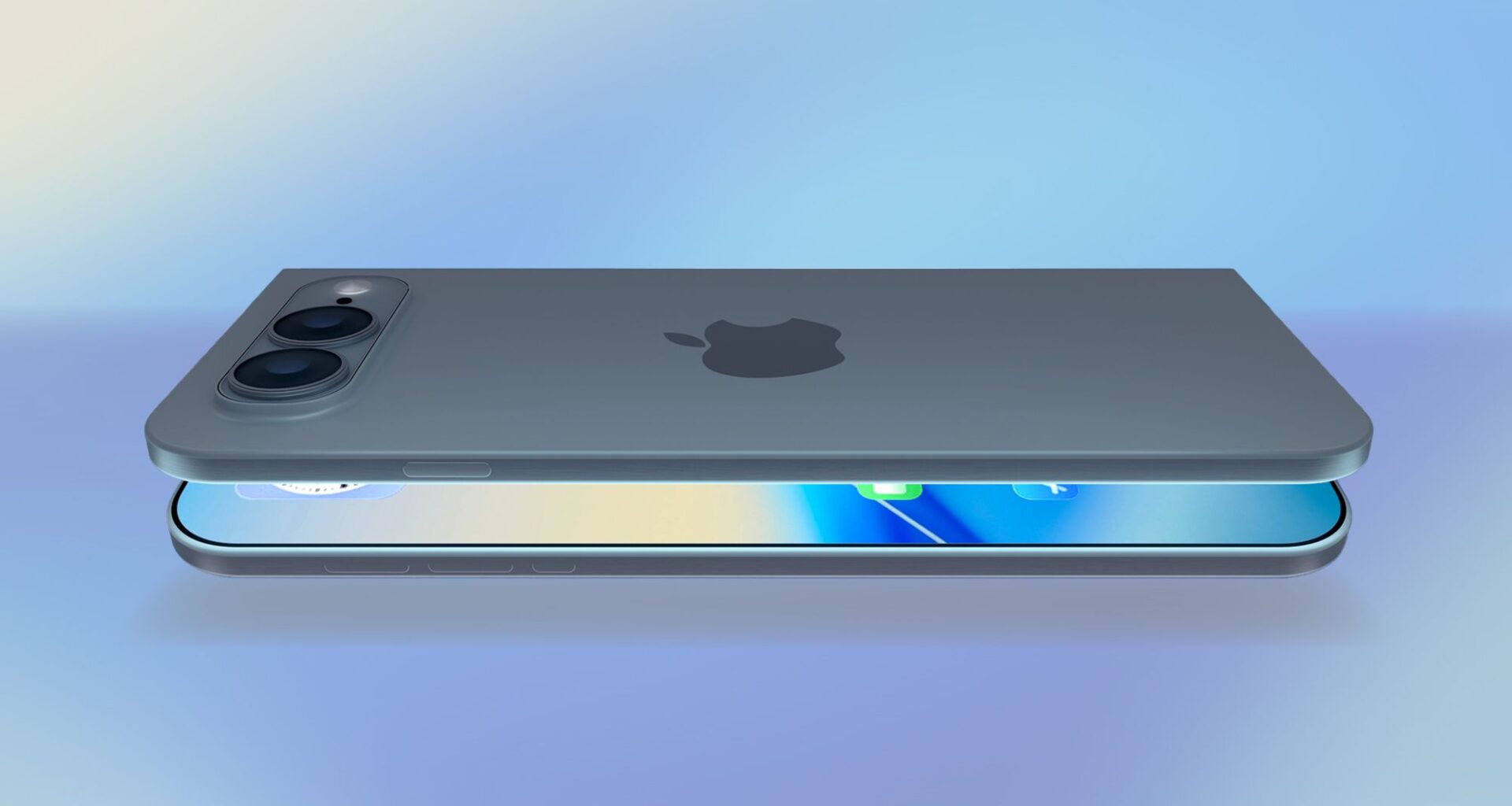
With an iPhone Fold tipped to come out in the fall, everyone seems to be expecting big things from Apple’s first foldable device. That includes market analysts, who expect the iPhone Fold to capture over one-fifth of the foldable phones market in the first year — even with Samsung and Google having well-established devices of their own.
Certainly, initial leaks about the device paint an impressive picture of the iPhone Fold. Yet, at this early stage, I have some nagging doubts about what Apple’s reportedly planning.
You may like
By waiting until it’s good and ready to release a foldable, Apple can take advantage of the lessons previous foldable phone releases have taught us — both good and bad. For instance, while other device makers have taken years to make the crease that appears on the main display of their foldables less visible, the iPhone Fold looks set to feature a completely creaseless display.
iPhone Fold display size
(Image credit: Future)
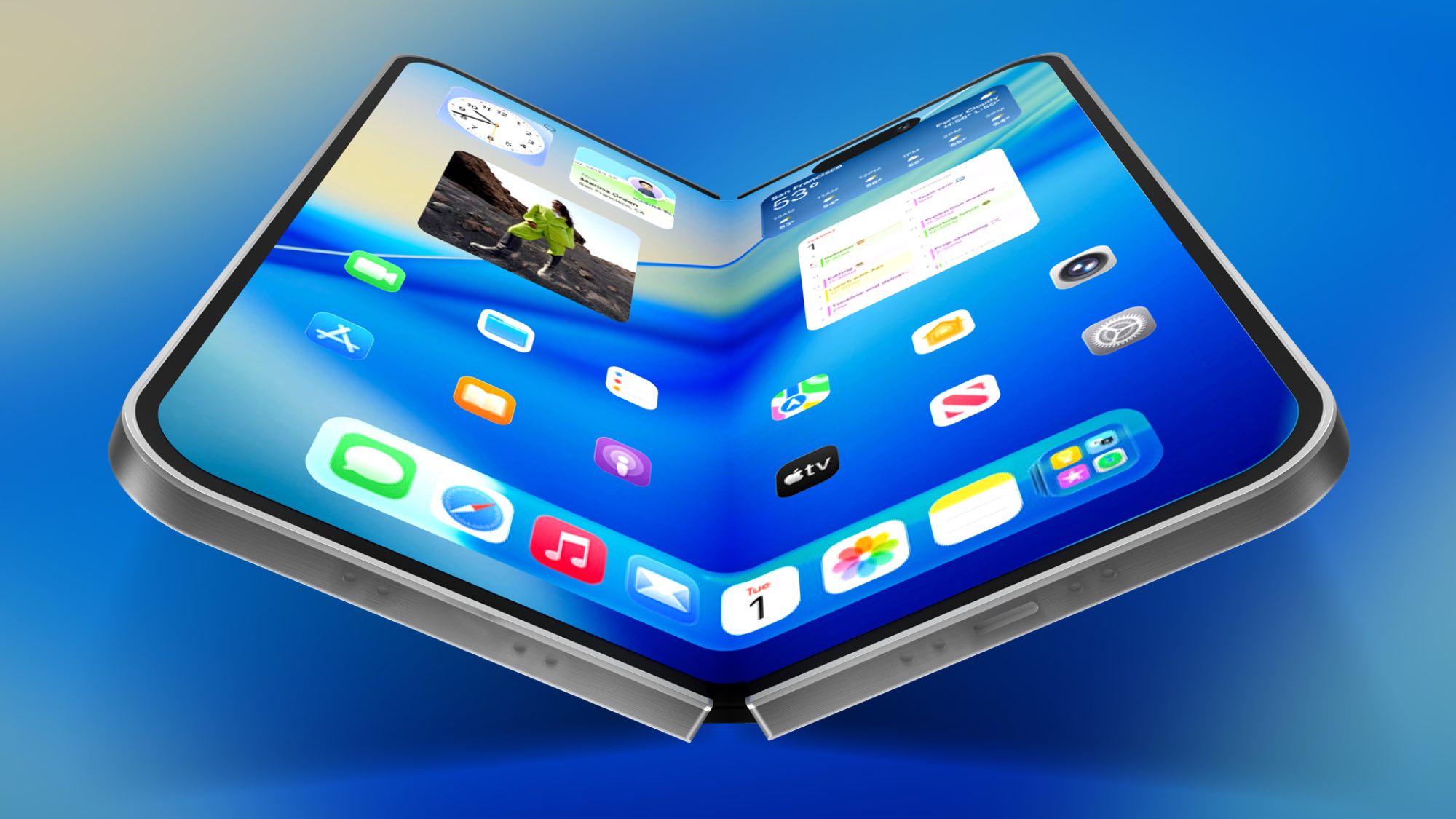
The most important aspect of any foldable phone is the display, and that looks like an area where the iPhone Fold could disappoint. According to rumors, Apple’s first foldable could feature a 7.8-inch main display and a 5.5-inch front screen.
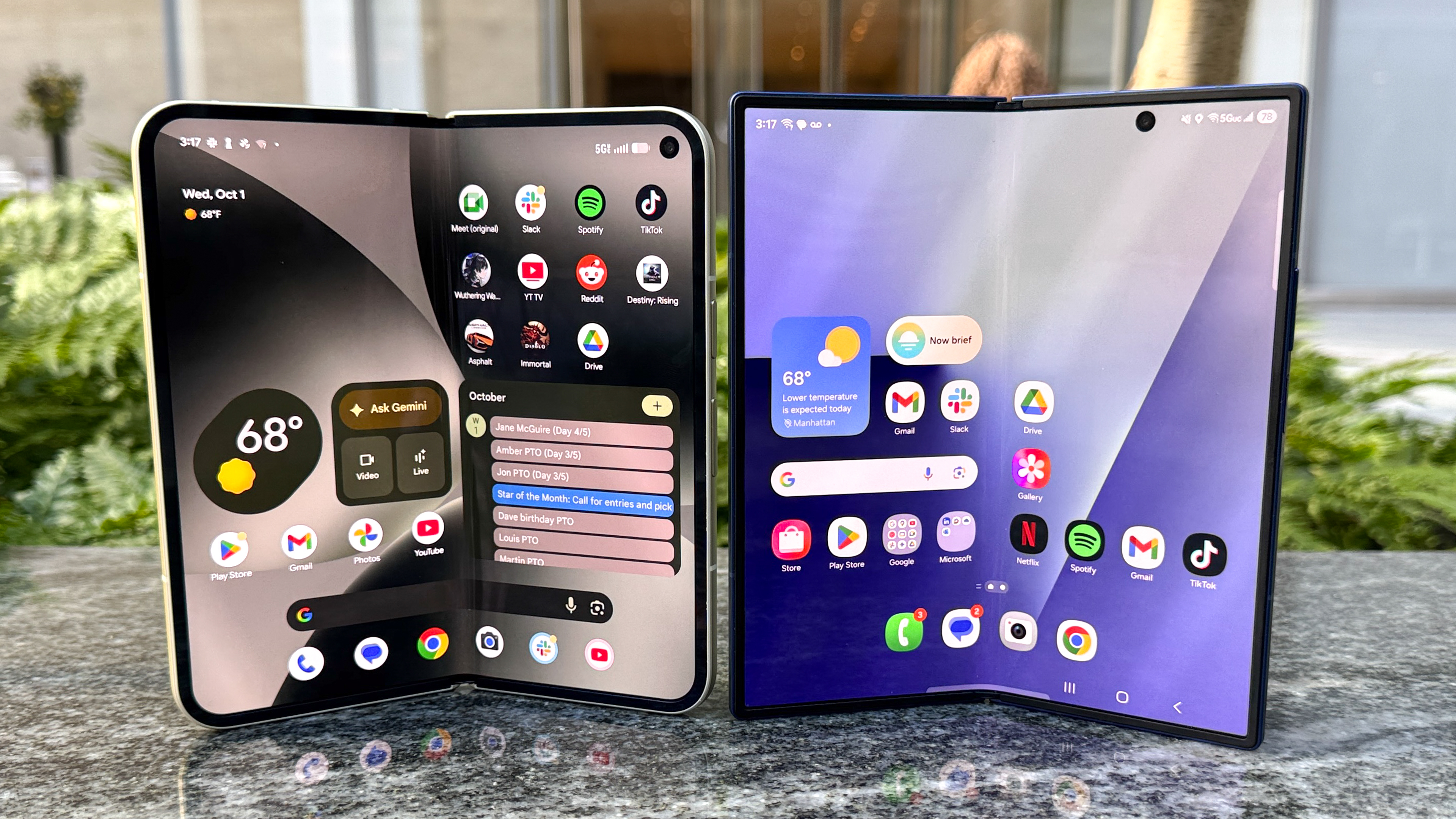
That main display would certainly dwarf the 6.9-inch screen on the iPhone 17 Pro Max, not to mention the other conventional phones in Apple’s lineup. But it’s small potatoes compared to other foldables. For example, the Galaxy Z Fold 7 offers an 8-inch main display and a 6.5-inch outer screen.
A while ago, I tried out several streaming apps on my Galaxy Z Fold 5, which offers a 7.6-inch main display — a size more in line what what rumors say the iPhone Fold will offer. During the test, it was painfully apparent that many apps like Disney Plus and Netflix are not designed to make the most out of the extra screen real estate. Since Apple has mastered finding ways to optimize apps so that they make the most out of its hardware, this hopefully won’t be an issue for the iPhone Fold.
More concerning is that rumored 5.5-inch front display, which I fear will be a pain to use. If you’ve never tried to type out a message on a thinner screen, trust me, it’s a nightmare. And while you could just unfold the phone to handle your business, that’s more annoying than it should be when you just want to quickly respond to a message.
Under-display camera rumors
(Image credit: Future)
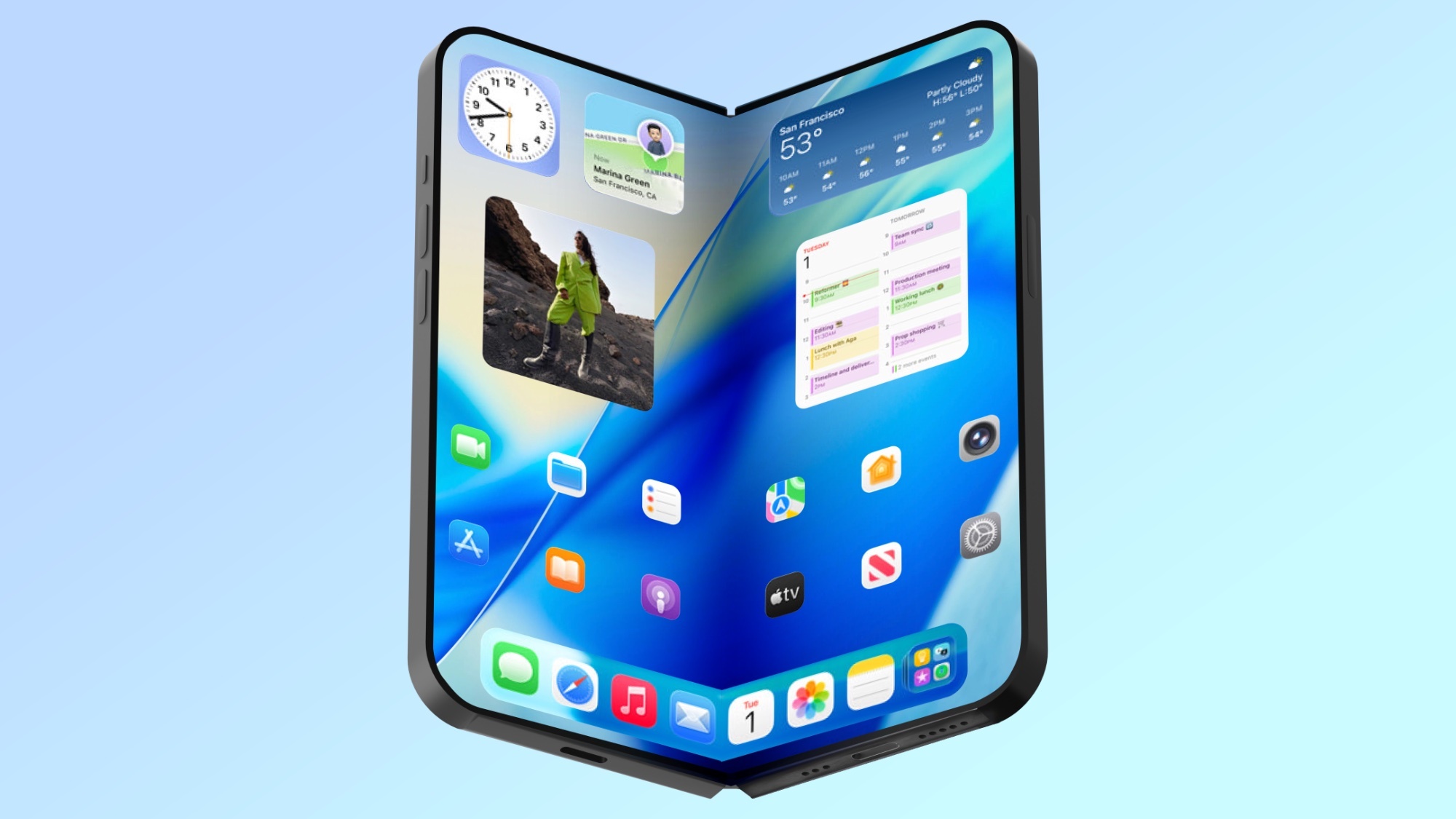
The screen might be small, but as Mark Gurman of Bloomberg points out, Apple’s main focus will be to make the screen the best it can be. However, this could be part of the reason that many rumors hint that the iPhone Fold’s inner display could feature a 24MP selfie camera that rests underneath the display.
You may like
Historically, cameras placed under displays don’t produce quality images Samsung utilized the design for years on the Galaxy Z Fold, but the images looked so poor that the Galaxy Z Fold 7 turns to a whole-punch cutout on the interior display.
No one has figured out the way to solve a central problem with under-display cameras — that the display pixels above the sensor block light, leading to hazy images. The camera also has to see through the pixels to take the image, which can heavily impact resolution.
A possible solution could be using AI to make up the shortfall, but we’d have to see the improvements in person before we can decide if that’s a viable option.
Design and camera concerns
(Image credit: Future)
The news that the iPhone Fold could be the thinnest iPhone ever produced when unfolded sounds encouraging, but even that comes with its own limitations. To keep the phone thin, Apple could elect to feature a side-mounted fingerprint sensor on the Fold.
I worry that would make it much easier to accidentally unlock your phone while reaching into your bag or pocket. Not only can that impact device safety, but it’s also just generally quite irritating. Depending on the placement of a fingerprint scanner, there can also be some unique ergonomic issues, especially if you’re left-handed or have mobility issues that make precise finger placements difficult.
I’m also a bit cautious about the rumored specs for the iPhone Fold cameras, primarily that the phone could only have two rear 48MP cameras — and neither one would be a telephoto lens. Consider that top devices like the Google Pixel 10 Pro Fold and Galaxy Z Fold 7 both offer triple cameras, including a dedicated zoom lens, and you’d be concerned that the iPhone Fold would come up short.
About that rumored price
(Image credit: Svyatoslav Alexandrov/YouTube)
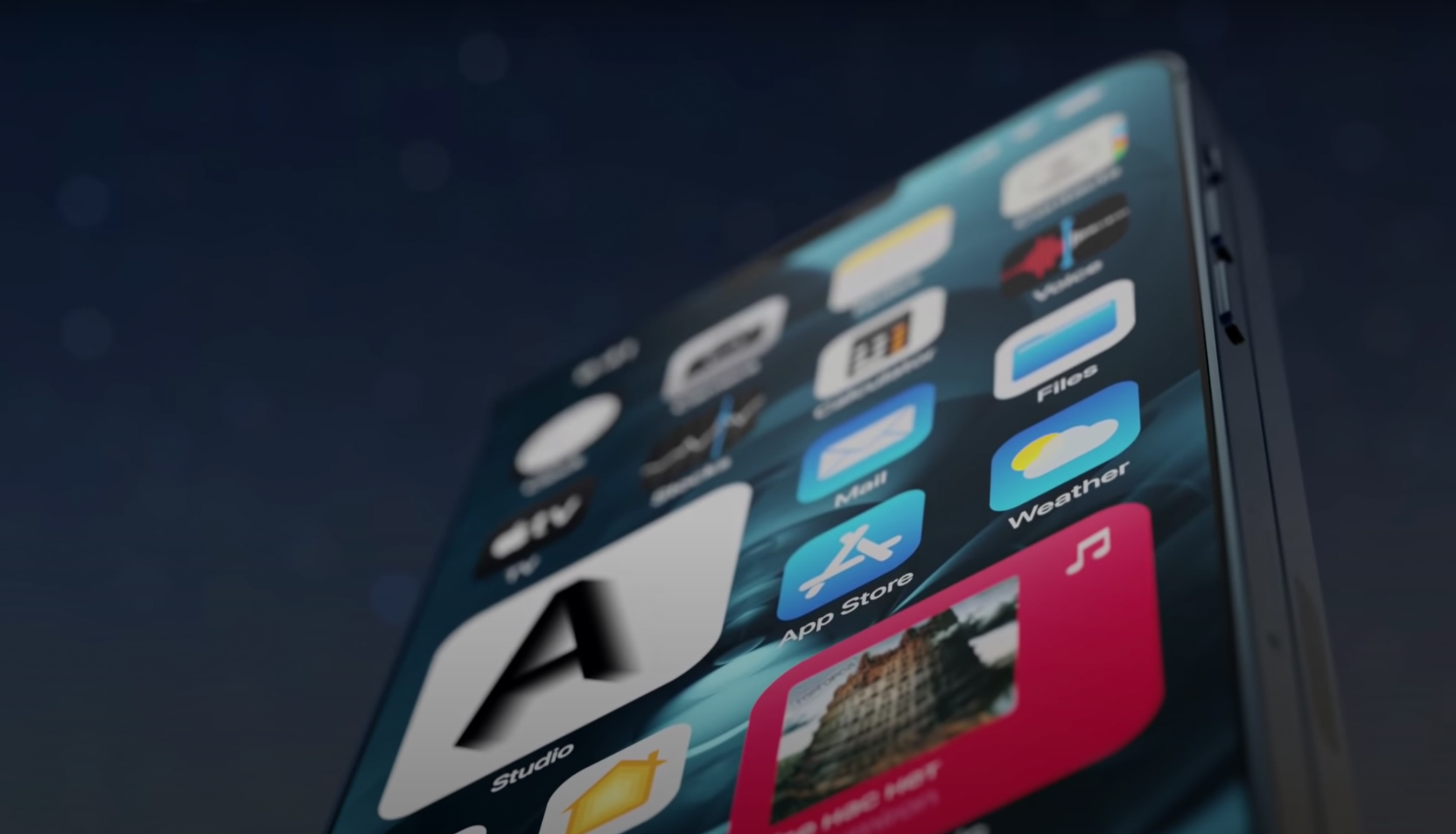
You could overlook some of the rumored iPhone Fold specs and how they compare to existing foldables if Apple winds up producing a competitively priced device. But that may not be in the cards.
A persistent rumor has the iPhone Fold costing as much as $2,399. For reference, the Galaxy Z Fold 7 starts at $1,999 — and that’s an awfully high price for a phone, even one that folds. For $400 more, you may wind up with a foldable that ships with fewer cameras, takes lower-quality selfies and forces you to work on smaller displays.
iPhone Fold outlook
It’s worth remembering that all my concerns are based on rumors, not official specs. Apple never comments on unannounced products, so we don’t really know what form the iPhone Fold would take.
That’s why I’m hoping many of the foldable rumors we’ve heard up until now are off base. But if there’s any truth to them, Apple may have a hard sales job ahead of it with the iPhone Fold.

Follow Tom’s Guide on Google News and add us as a preferred source to get our up-to-date news, analysis, and reviews in your feeds.
More from Tom’s Guide
Today’s best Samsung Galaxy Z Fold 7 and Google Pixel 10 Pro Fold deals