Vimeo used to be the place where your best work looked better, loaded cleaner, and felt like it belonged in a serious portfolio. If you shoot photos and video, the platform you choose can quietly shape how clients judge your work before they ever reply.
Coming to you from Matt Johnson, this sharp video walks through how Vimeo separated itself from YouTube in the late 2000s, right when DSLR video started changing what small crews could pull off. Johnson points to the moment when Canon EOS 5D Mark II footage stopped looking like a compromise and started looking like a choice. Vimeo leaned into higher-quality playback and a cleaner viewing experience, with fewer distractions built into the player. That mattered if you were sharing a cut to sell a look, not chase clicks. It also set expectations: once people got used to that level of presentation, everything else started to feel slightly cheaper.
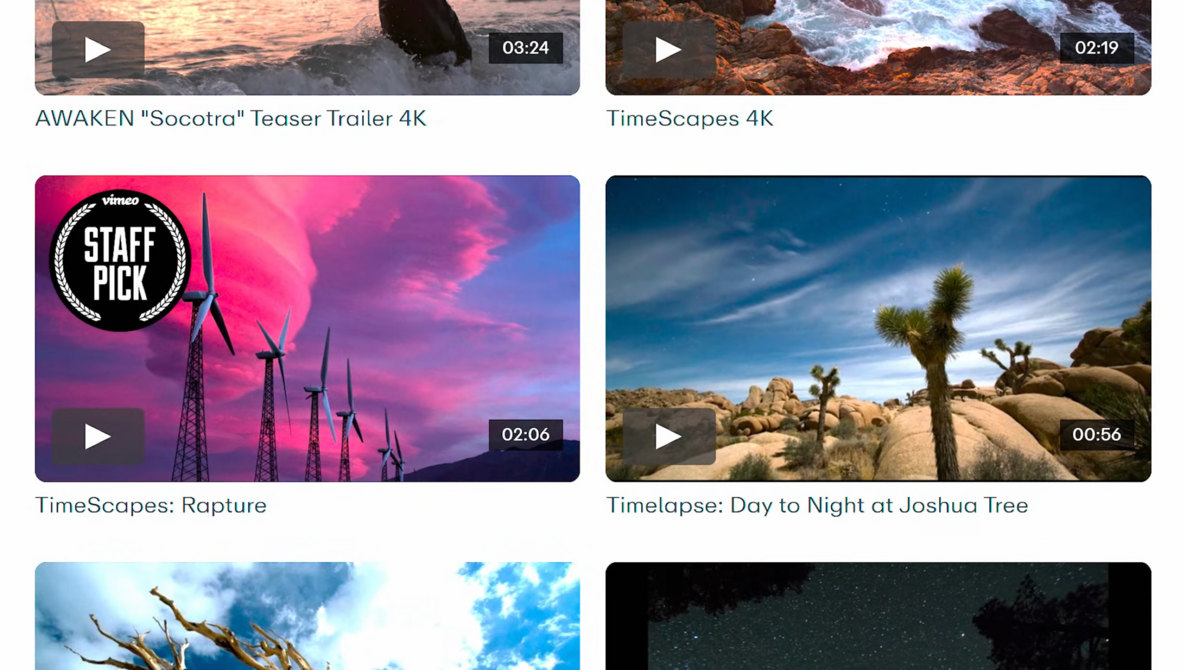
Johnson also gets into how Vimeo built status around curation, not volume, and how that shaped what people uploaded. Staff Picks was not just a playlist, it was a career accelerant for a certain kind of creator who cared about craft and pacing. He describes a collaborative contest called “The Story Behind the Still,” tied to Sundance, that pushed people to build on each other’s work rather than compete in isolation. Laforet shows up here as a key figure, which is a reminder that platform history is often driven by a handful of well-timed releases and a few names with real influence. If you rely on attention from agencies, editors, or brands, the video will make you rethink how much leverage a platform can have when it controls taste-making.
Where the story turns is not about aesthetics, it is about friction and risk. Vimeo’s early advantage was streaming quality, but Johnson argues that higher resolutions exposed weak spots, especially when playback stutters, buffers, or breaks when you skip ahead. If you have ever sent a client a link and worried whether it will play smoothly on their laptop, this part hits close to home. He also ties platform decline to policy shifts, especially around copyright enforcement that reached back into older uploads, including private or unlisted videos. That is the nightmare scenario for anyone with a long archive, since a rule change can reach into work you stopped thinking about years ago. Johnson shares a specific wedding-film example involving Romo, Crawford, Simon, and a Coldplay track, but he does not treat it like gossip, he treats it like a warning sign.
The last section is the one to watch closely if you still host deliverables on Vimeo or you are debating a move. Johnson connects the platform’s business pivots, bandwidth limits, app support changes, and subscription pressure to a bigger question: what happens when a hosting service stops treating creators as the core community. He then raises the stakes with Vimeo’s September 2025 agreement to be acquired by Bending Spoons, and he compares it to what happened after other acquisitions, including FiLMiC Pro and Evernote. He mentions newer alternatives that have stepped in on mobile, including Blackmagic Camera and Final Cut Camera, and he frames that shift as a practical response to pricing and product decisions. If your workflow includes private links, password protection, portfolio pages, and client review notes, the specific failure modes he lists will sound uncomfortably familiar, especially when a client is waiting and the link throws an authorization error. Check out the video above for the full rundown from Johnson.