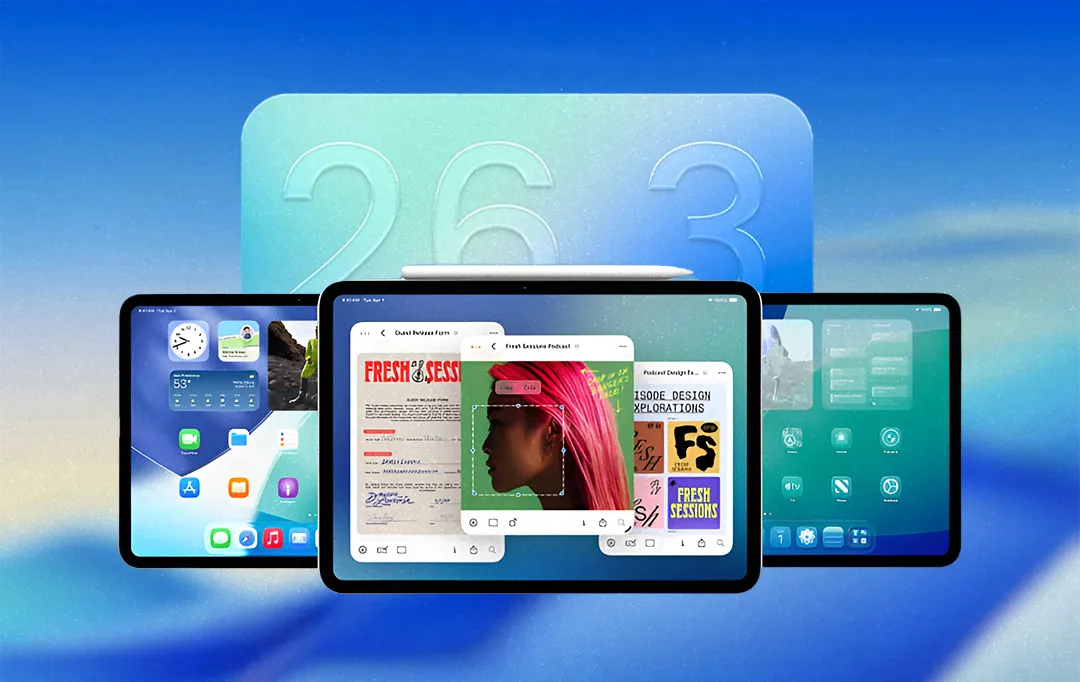
Apple’s latest software update marks a historic shift in smartphone interoperability, featuring an unprecedented Apple-Google collaboration and EU regulatory compliance measures.
Apple on Wednesday released the first public betas of iOS 26.3 and iPadOS 26.3, introducing features that signal a significant departure from the company’s traditionally closed ecosystem approach. The update, which follows just days after the public release of iOS 26.2, brings a streamlined tool for transferring data to Android devices and notification forwarding capabilities for third-party wearables.
Apple and Google Join Forces
The standout feature in iOS 26.3 is a new “Transfer to Android” system, developed as part of a joint collaboration between Apple and Google. This marks a remarkable moment of cooperation between the two tech giants, who have long competed fiercely in the smartphone market.
Users can now navigate to Settings > General > Transfer or Reset iPhone > Transfer to Android to begin the process. The system works by placing an iPhone next to an Android device, whereupon the two smartphones connect wirelessly via Bluetooth and Wi-Fi.
Once the devices are connected, users can transfer photos, messages, notes, apps, passwords, and phone numbers to their new Android device. Data transfers occur with no need to download and use a separate app, making the process simpler.
Google is working on a similar tool for Android, with signs of it being found in the latest Android 16 Canary build. Both companies have indicated that additional data types will be added as beta testing continues across both platforms.
However, not everything transfers seamlessly. Health data, devices paired with Bluetooth, and protected items like locked notes are not transferred over to the new device.
EU Regulations Drive Third-Party Wearable Support
iOS 26.3 adds a new “Notification Forwarding” system that allows iPhone notifications to show up on a third-party smartwatch or other wearable form factor. The feature is found in the Notifications menu within the Settings app.
The move was likely made to ensure Apple’s compliance with interoperability requirements, namely those of the European Union’s Digital Markets Act. In essence, the DMA requires Apple to make some of its proprietary features available on devices from other manufacturers.
Apple has made its position on these regulatory requirements clear. According to the company’s public statements, the DMA is “forcing Apple to build features and technologies for non-Apple products,” making options available to European consumers “more similar” and reducing differentiation.
The notification forwarding feature is currently limited to users in the European Union, where DMA compliance is mandatory. If you’re outside Europe, you won’t be getting this feature yet.
More Refinements
Beyond the headline features, iOS 26.3 brings modest interface improvements. Apple has separated the Weather and Astronomy wallpaper categories into individual sections, making them easier to navigate. The company has also added a few new pre-built wallpapers in the Weather category that display live weather conditions for users’ current locations.
Release Timeline and Availability
iOS 26.3 will likely be released in late January. The public beta is now available to anyone through Apple’s Beta Software Program, accessible via the Software Update section in Settings.
Looking beyond iOS 26.3, iOS 26.4 is expected to be the first version that includes the long-overdue upgraded version of Siri with enhanced Apple Intelligence capabilities that users have been anticipating.
The iOS 26.3 beta represents more than just incremental software improvements. It demonstrates how regulatory pressure, particularly from the European Union, is reshaping even the most tightly controlled technology ecosystems—forcing cooperation between longtime rivals and potentially ushering in a new era of smartphone interoperability.