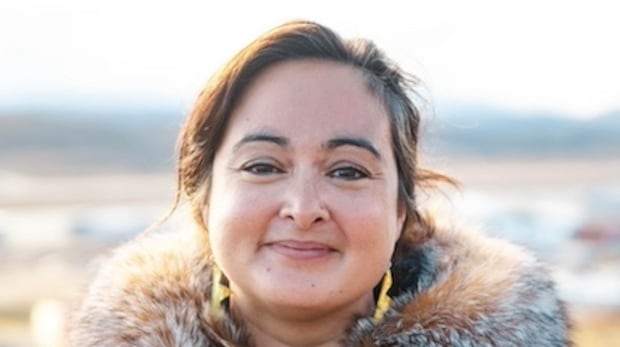
Even before Gwen Healey Akearok began her new role as Nunavut’s Minister of Family Services, she was tuning into the Office of the Auditor General’s (OAG) hearings on the state of the Family Services department.
As one of the founders of the Qaujigiartiit Health Research Centre, she was interested as a researcher, and heard first-hand the variety of issues with the department.
The Family Services department has been the subject of numerous damning reviews by the OAG since 2011. The latest report, released in March this year, found a lack of progress by the department to fix the care it provides to vulnerable children and youth.
Healey Akearok is well aware of the task at hand, and while she’s not making any big promises yet, she said she is listening to people’s thoughts about what needs to change.
“What I’m actually committed to is learning and listening, visiting our frontline staff, continuing to engage with our communities and ultimately, I think we are all committed to seeing improved outcomes for our children,” she said.
WATCH | Nunavut’s new Family Services minister faced with a big job ahead: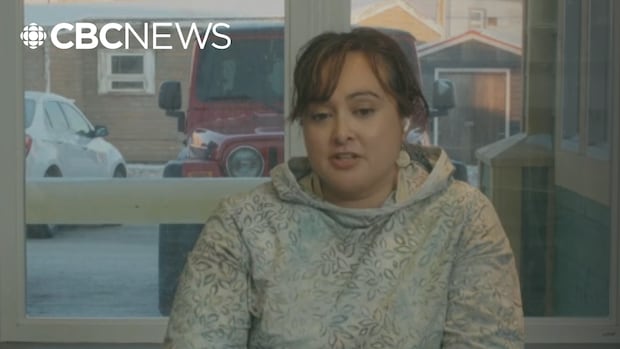
Nunavut’s new Family Services minister faced with a big job ahead
Faced with numerous damning reports into the department, Gwen Healey Akearok is well-aware of the task at hand. While she’s not making any big promises just yet, she says she is committed to listening to people’s thoughts on what needs to change. The CBC’s Samuel Wat reports.
Jane Bates, Nunavut’s representative for children and youth, is optimistic about the new leadership, but stressed the need for clear standards and procedures for children in care.
As of March 2025, there were 444 children in the territory receiving family services from the government, and 89 outside the territory — a huge number, in Bates’s view, considering the size of Nunavut’s population.
“The department hasn’t set out what the expectations are, so every child isn’t getting the same service if they’re a child in care,” she said.
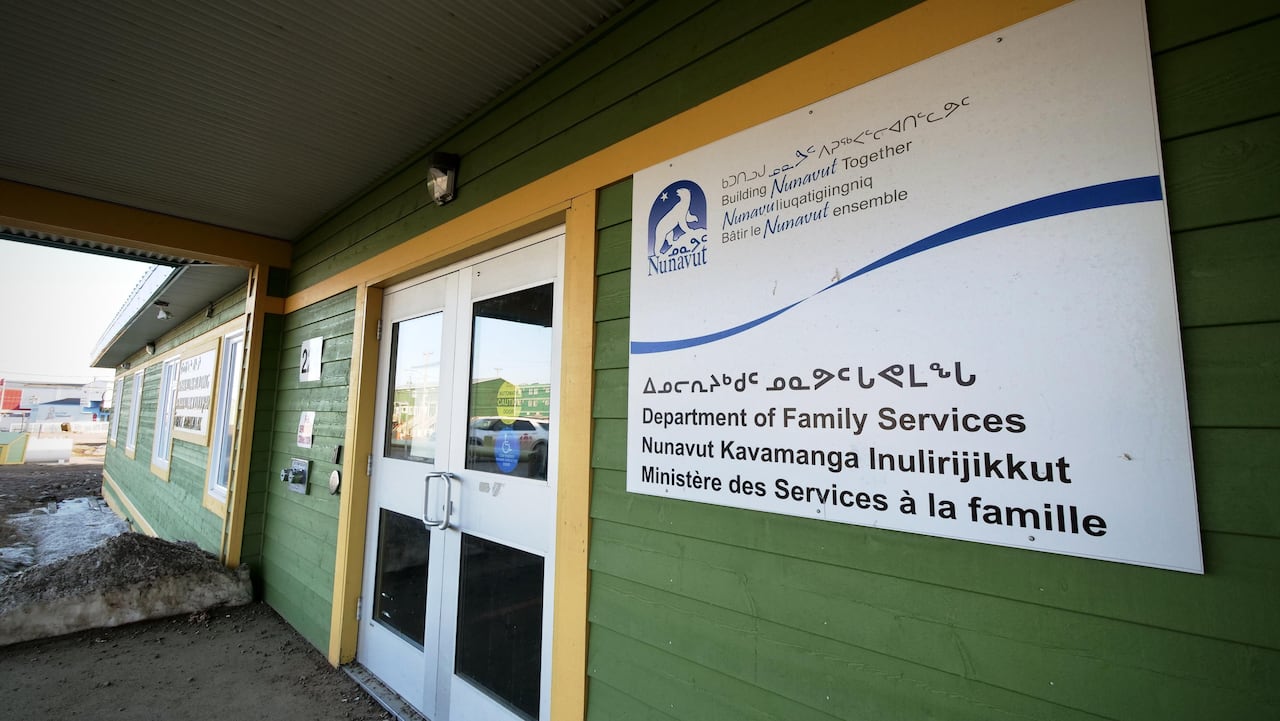 The Department of Family Services in Iqaluit. The department has been the subject of numerous reports by the Office of the Auditor General since 2011. (Matisse Harvey/Radio-Canada)
Healey Akearok acknowledges those concerns, but she points to the Ilagiitsiarniq Strategic Action Plan 2023-2028, which she believes provides a clear roadmap for transparency and accountability.
“The foundation of the strategic plan is [also] based on the concept of Inunnguiniq, which is the philosophy for Inuit in Inuktitut of supporting a child from infancy all the way into adulthood in a way that helps them become capable,” she said.
The OAG’s 2025 report however found the plan “lacked targets and baselines needed to measure progress, specific timelines and clear accountabilities.”
Poverty a precursor
Margaret Hollis, a researcher for Amautiit Nunavut Inuit Women’s Association, believes there needs to be more emphasis on poverty as a contributing factor to children being taken into state care.
“The problem is if you don’t have enough money to supply the necessities of life for your children, well, that is the threshold for when children get apprehended, when their parents cannot supply the necessities of life, and the income assistance system in Nunavut pretty much makes that true,” she said.
Hollis takes issue with income assistance regulations, which were inherited from the Northwest Territories. According to Section 16 of the Income Assistance Act, income assistance officers can terminate support for people who refuse to participate in activities such as community service, counselling and employment.
“If the person doesn’t do it, they get cut off from welfare. Doesn’t matter if they’ve got a good reason,” Hollis said, though she stresses most officers try to be compassionate.
Healey Akearok agrees the income assistance regulations are due for a refresh.
“The legislation for income assistance is aged and aging and there will hopefully be opportunities in the future to examine the legislation,” she said.
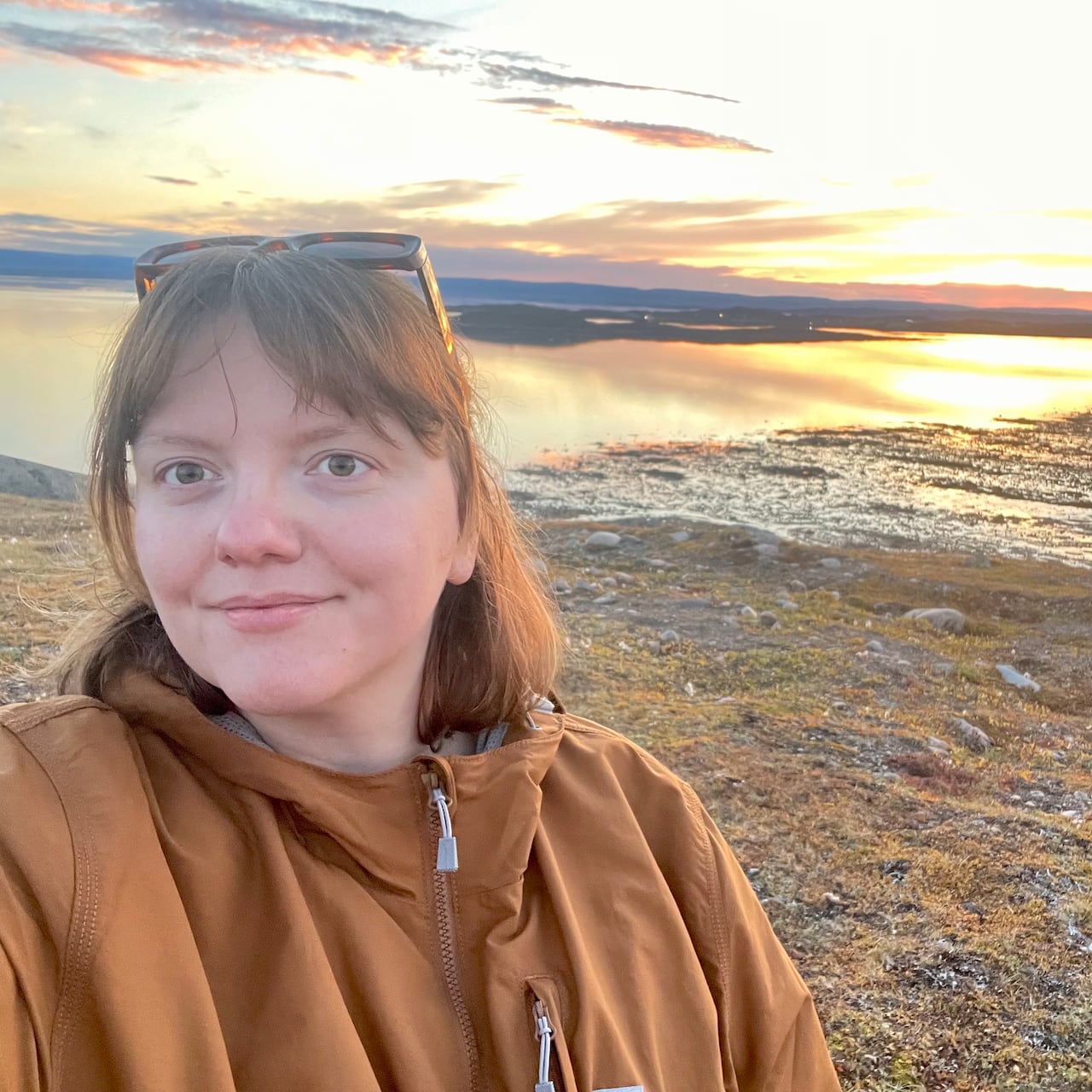 Jeneca Fanjoy, the director of Qupanuaq, says all levels of government need to put more money on the table to help Nunavummiut afford the bare necessities. (Submitted by Jeneca Fanjoy)Barriers to access
As the executive director of Qupanuaq, a non-profit organization helping families in the Qikiqtaaluk region access income support, Jeneca Fanjoy sees many families who struggle to get the help they need.
“There’s little information online on how to access support through the territorial government and a lot of the information is shared by word of mouth, and with the transiency in staff, a lot of families are experiencing inconsistencies in services as well,” she said.
“A lot of families are telling me that they don’t feel like they are Canadian or that they live in Canada because why should they not have access to food for their child? ”
According to Statistics Canada, almost 60 per cent of Nunavut households reported being food insecure in 2024 — the highest percentage in the country. Fanjoy believes all levels of government need to put more money on the table for children to have access to the basics.
“Whether that means an increase in income support, an increase in the Nunavut Child Benefit, there needs to be something that helps families access those basic necessities that are completely unaffordable in the North,” she said.
 Jane Bates, Nunavut’s representative for children and youth, stresses the need for the Family Services department to set clear standards and procedures for children in government care. (Samuel Wat/CBC)Cases of harm and neglect
In the representative for children and youth’s 2024-2025 report, Bates wrote that there were several areas which are not trending in the right direction. Among them is child abuse.
Her report stated that there were 1,573 referrals to the department of harm or neglect that year. Healey Akearok acknowledges the gravity of the issue.
“I can’t underscore the importance of prevention, of working collaboratively to not only respond to abuse, but also to prevent it, and that includes supporting our families, providing mental health services, addressing key determinants of health such as housing and poverty reduction,” she said.
Bates said she understands how complex investigations and follow-up support can be, and there are a multitude of factors that put children at risk of abuse. She’s holding out hope that the new territorial government will, in its mandate, prioritize the needs of young Nunavummiut.
“Really, young peoples’ survival depends on this.”