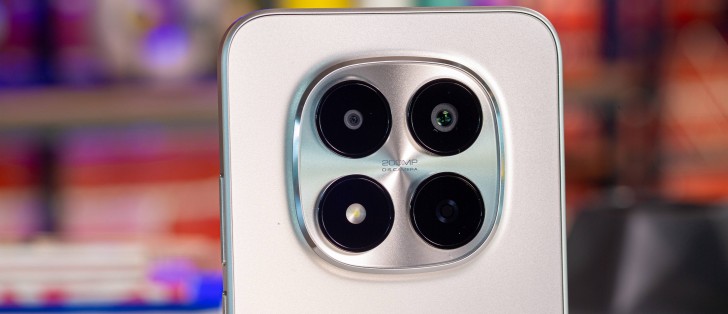
The competition
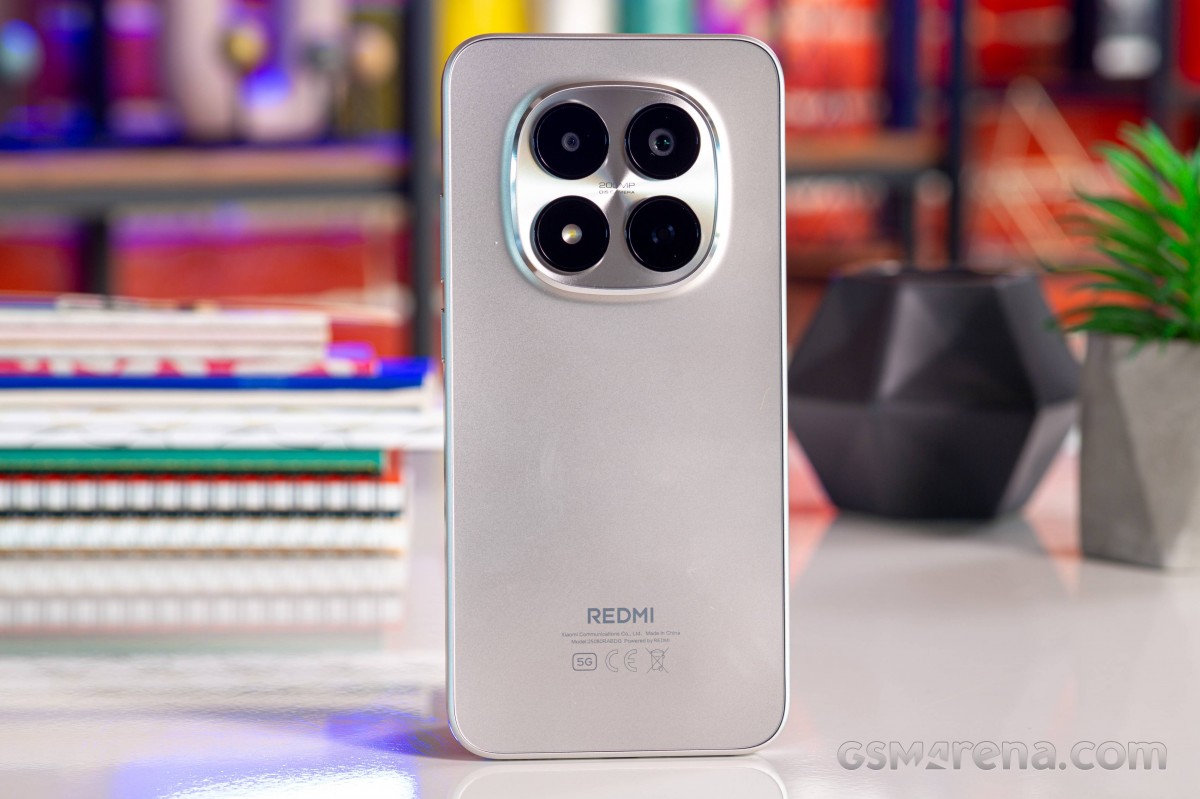
The Redmi Note 15 Pro 5G (not to be confused with the Redmi Note 15 Pro 4G) has an MSRP of €379 ($410). That theoretically gets you a base 8GB/256GB unit. We only say theoretically, since at the time of writing, actual store listings for a base unit are hard to come by. Amazon Germany does, however, carry the 12GB/512GB model for €450.
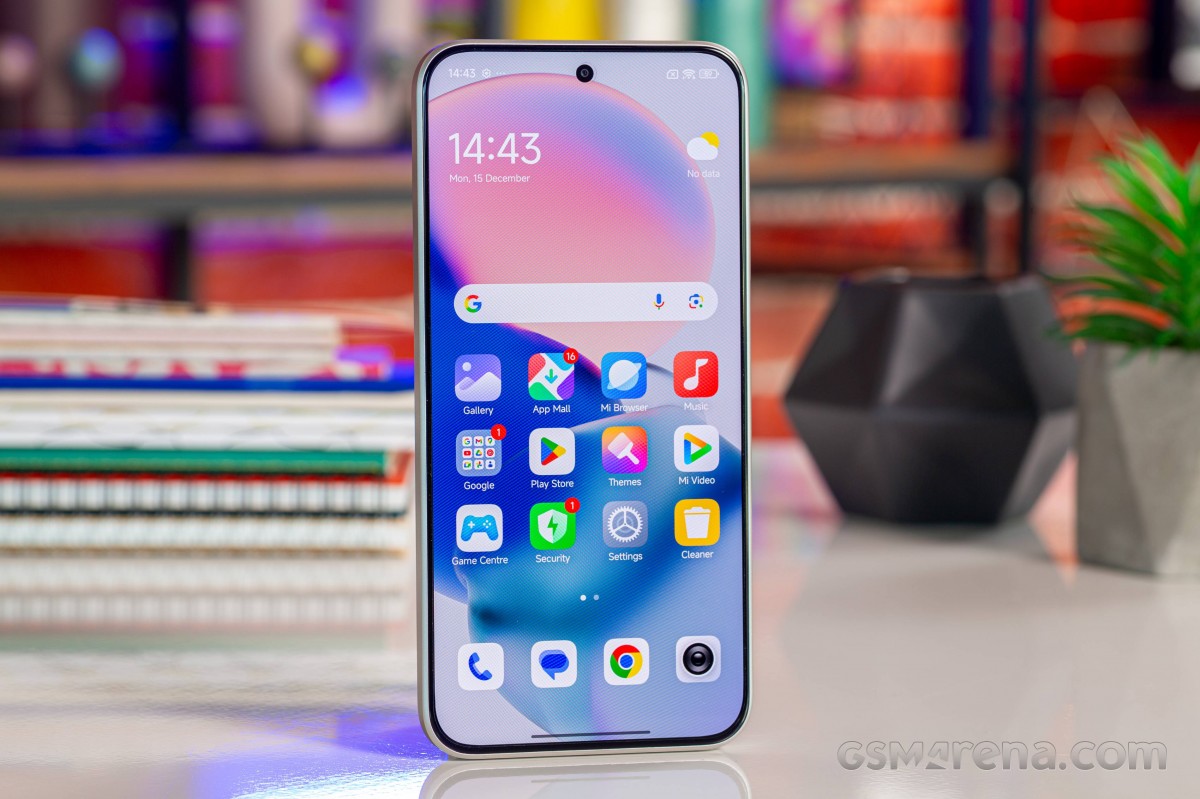
While this is not what we would call cheap in absolute terms, in the grand scheme of things, it is fairly affordable by modern standards. Plus, as far as we are concerned, it’s a good value proposition overall. Still, that doesn’t mean that there aren’t good alternatives and competitors out there.
From within Xiaomi’s own ranks, the Poco X7 Pro instantly comes to mind. Its main claim to fame is the excellent MediaTek Dimensity 8400 Ultra chipset. Paired with fast UFS 4.0 storage, it offers performance on a different level. The Redmi Note 15 Pro 5G does strike back with a slightly larger and brighter display, more battery and an arguably better main camera, but these are hardly major advantages.



Xiaomi Poco X7 Pro • Xiaomi 15T • Samsung Galaxy A56 • Motorola Edge 60 Pro
One also has to wonder whether it is not worth it to spend the same amount of money or perhaps slightly more to get the same storage with the Xiaomi 15T. It has the same display as the Redmi Note 15 Pro 5G but offers a more potent chipset with faster storage, faster battery charging and a telephoto camera.
If Samsung is more your speed, you can definitely fit a Galaxy A56 within budget. To be perfectly frank, the Redmi Note 15 Pro 5G has it beat in some obvious ways like display, battery and durability. Still, the Galaxy A56 is a solid all-rounder that does not disappoint. Its biggest draw is arguably One UI, which is accompanied by a whopping six-year software update promise.
The Motorola Edge 60 Pro is in the same rough price ballpark as the Redmi. With its IP68/IP69 and MIL-STD-810H ratings, it is another particularly sturdy device. It also runs on a more potent Dimensity 8350 chipset, paired with faster UFS 4.0 storage. Plus, the Moto not only has a much better 50MP autofocusing ultrawide, which puts the Redmi one to shame, but it even has a dedicated 3x optical zoom telephoto camera.
Our verdict
Xiaomi’s Redmi Note 15 Pro 5G is exactly what you’d expect from a “middle-ground” Redmi Note – a sensible, polished package that does a lot of things right without trying to reinvent the wheel. There is an excellent 6.83-inch 12-bit AMOLED with Dolby Vision/HDR10+ support and proper Widevine L1, and it even gets seriously bright in our tests. The new flat design feels modern, is easy to protect with a screen protector, and the phone is sturdier than ever with Gorilla Glass Victus 2 up front and that impressive IP68/IP69K rating.
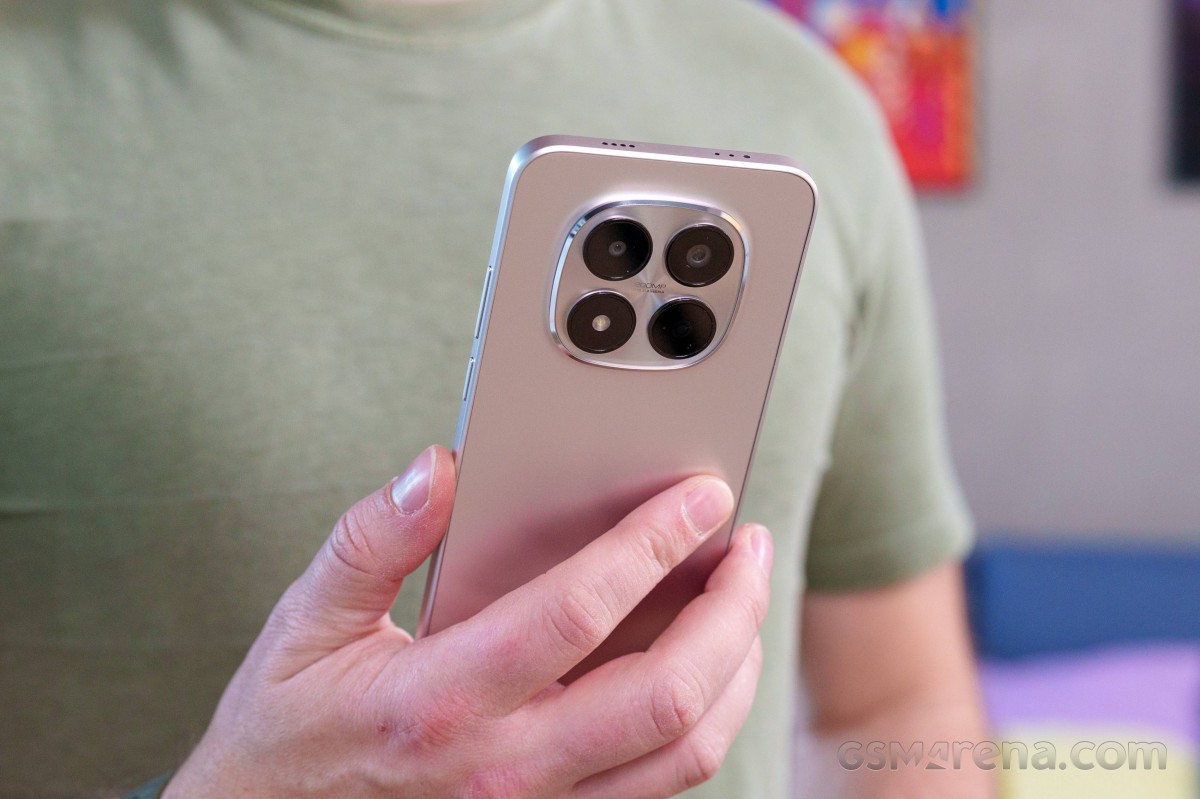
Battery life is another strong point – the 6,580mAh Si/C cell delivered a very respectable ~15.5h Active Use Score, and the 45W charging is perfectly adequate. Performance sits firmly dead center in midranger territory – the Dimensity 7400 Ultra won’t win benchmark races, but the phone stays smooth in daily use, runs cool, and has excellent sustained performance. Finally, the main camera is dependable: daylight photos are solid, low-light shots are genuinely very good for the class, and the main camera’s 4K footage holds up nicely, too.
Of course, the Redmi Note 15 Pro 5G isn’t without compromises. There is no telephoto cam and the 8MP ultrawide is a weak link by day and especially at night. The selfie camera is also unchanged and remains pretty unremarkable. We also weren’t thrilled to see a virtual proximity sensor, plus the loudspeaker tuning prioritizes loudness over cleanliness once you push it past sensible levels. On the software side, HyperOS 2 on Android 15 is fine, but it’s far from the latest software by Xiaomi, the AI feature set is oddly trimmed down, and Xiaomi still isn’t being fully clear and consistent about long-term update promises across the series.

So, where does that leave the Redmi Note 15 Pro 5G? We genuinely enjoyed our time with it – it’s a solid, well-rounded phone that doesn’t disappoint in any major way. The slightly awkward part is its price-to-features ratio. In this price neighborhood, some alternatives feel more “special” in one way or another – and quite a few of them come from Xiaomi’s own roster. If you find the Note 15 Pro 5G at a good discount, it becomes an easy recommendation. At full MSRP, however, it would not be our first choice.
Pros
- Excellent 6.83-inch display.
- Sturdy build with IP68/IP69K ingress protection.
- Great battery life.
- Smooth day-to-day performance with good thermals.
- Solid main camera overall, with particularly strong low-light photos and good 4K video.
- Loud stereo speakers with Dolby Atmos; handy IR blaster.
Cons
- Expensive at launch.
- Performance is not competitive in the segment.
- No noteworthy improvements in camera performance.
- Doesn’t launch with the latest Android 16/HyperOS 3.